
Tokyo Daijingu Shrine Guide: Tokyo's Ise Shrine for Love and Matchmaking
A visitor's guide to Tokyo Daijingu in Iidabashi, Tokyo: its history, deities, why it is known as the first shrine in Japan to hold a Shinto wedding, matchmaking charms and fortunes, tips for avoiding crowds, and access.
Table of Contents (Tap to toggle)
Introduction
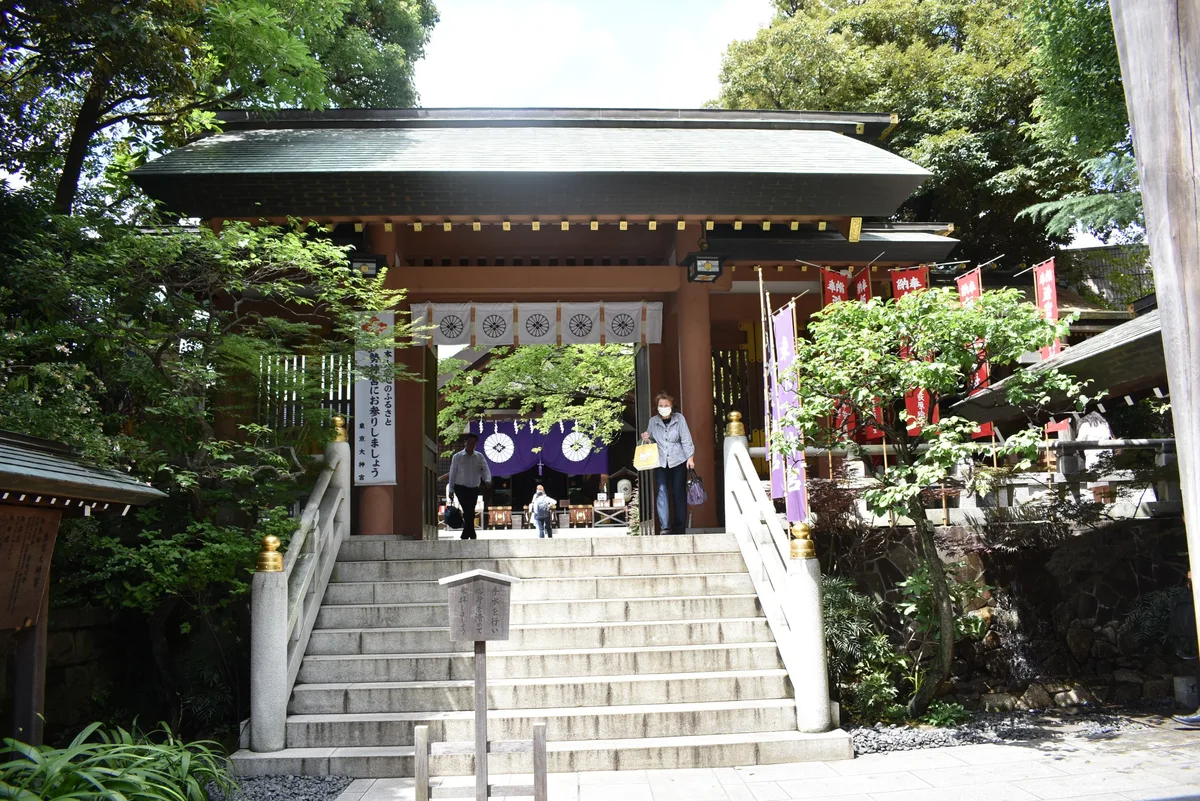
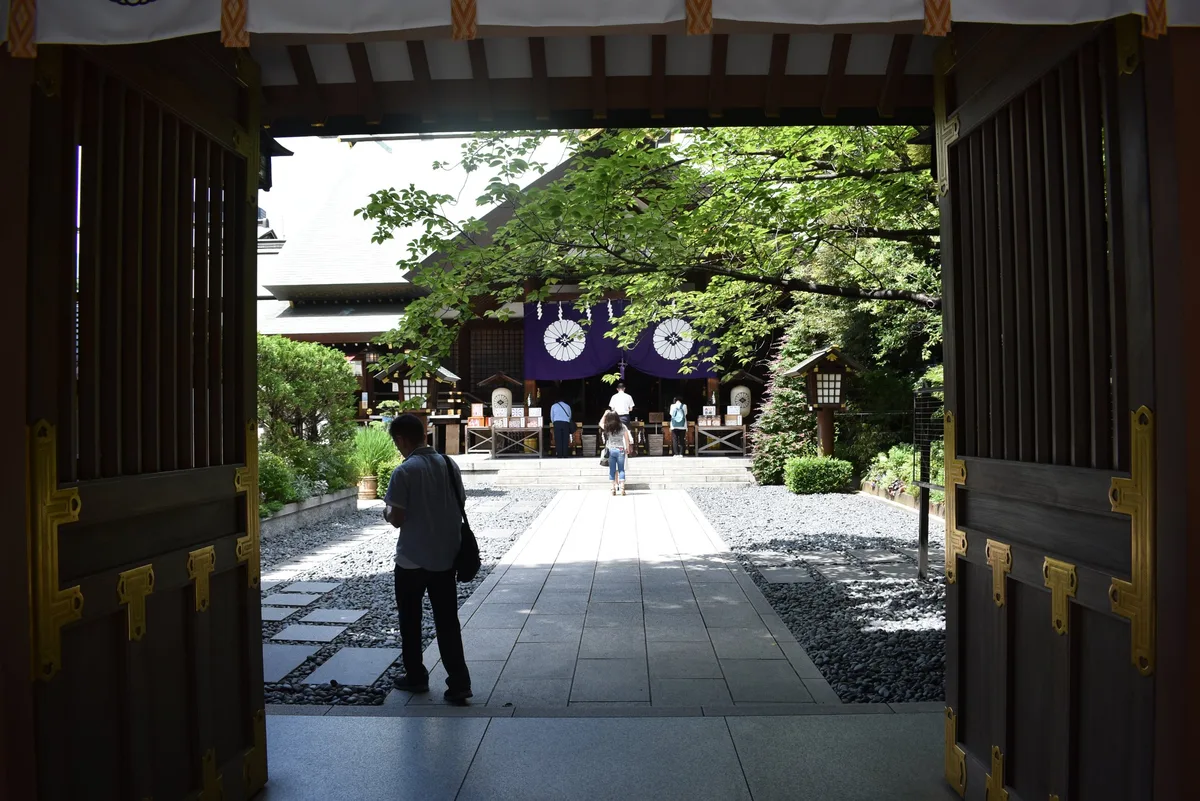
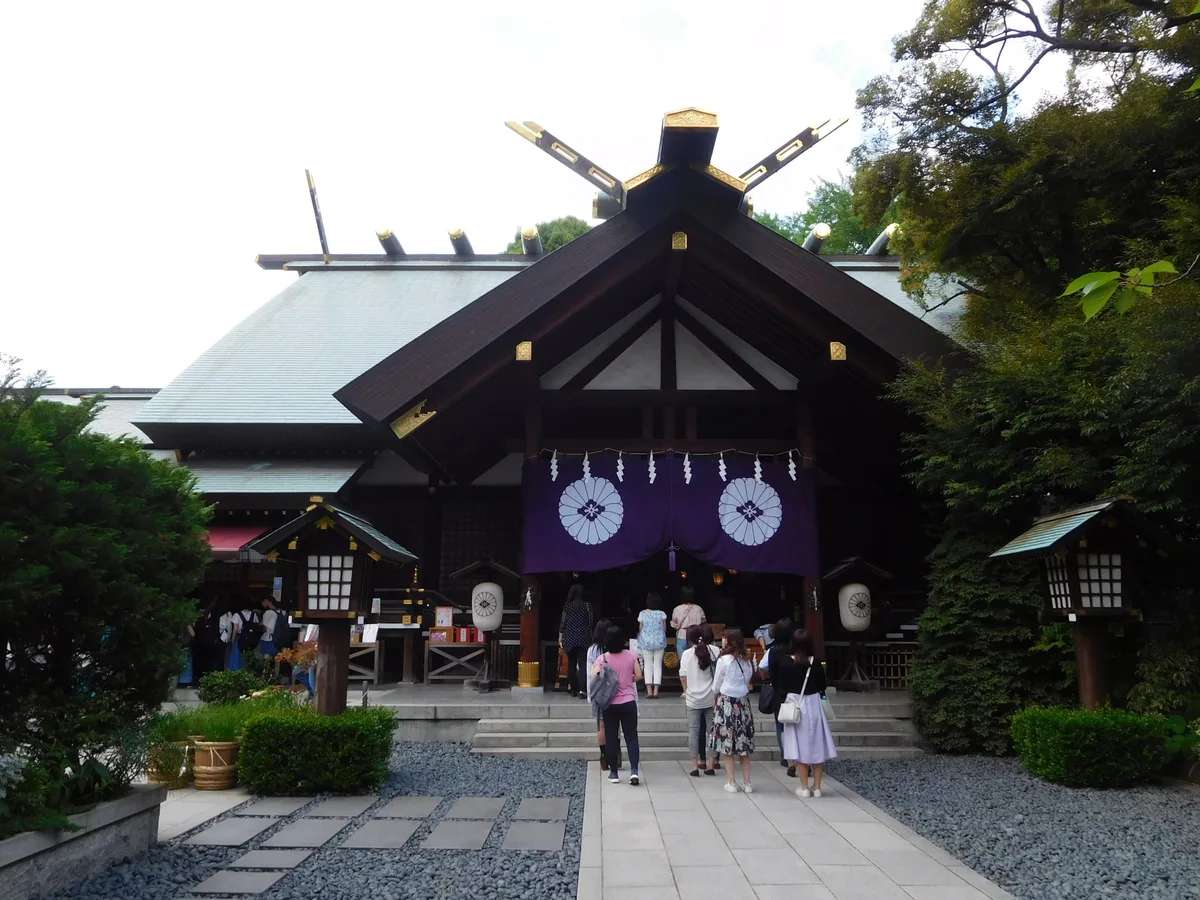
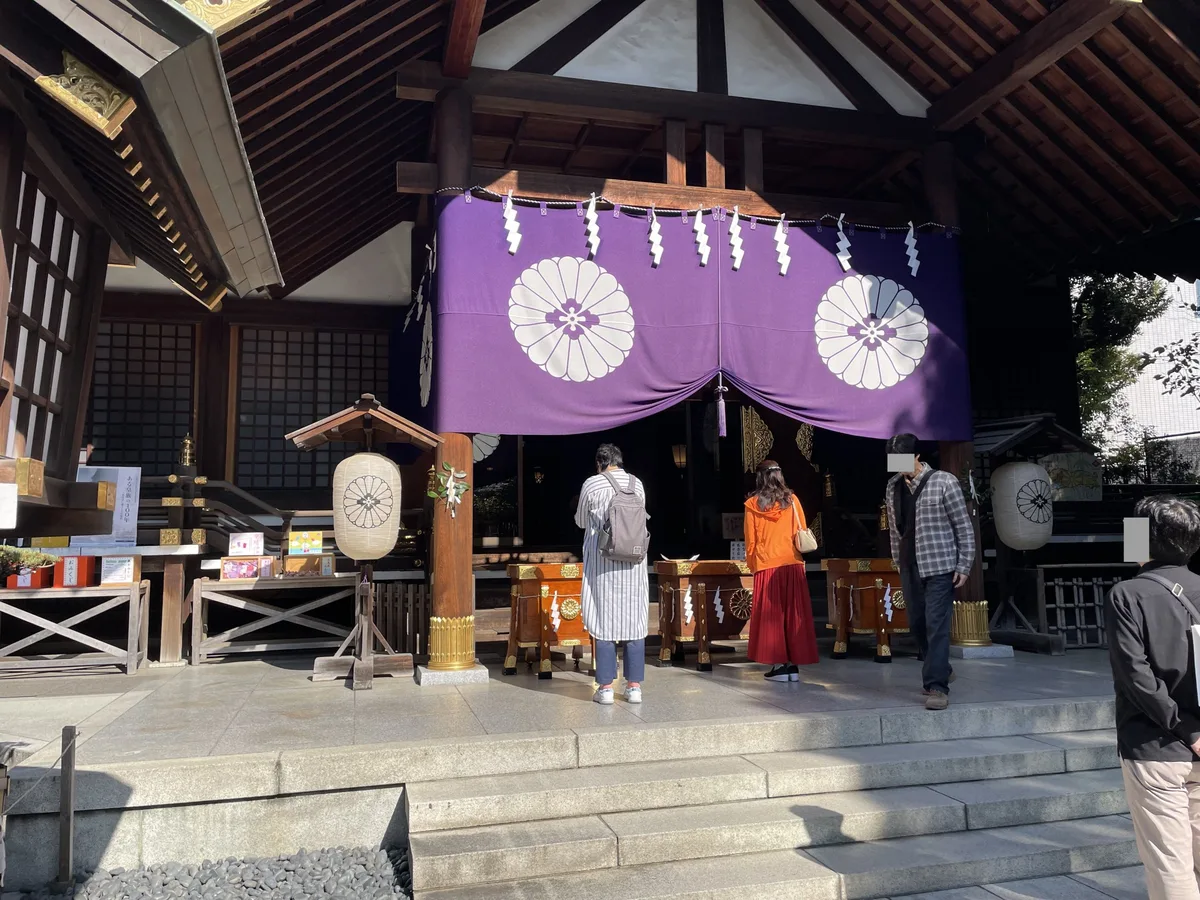
Tokyo Daijingu is a shrine about a five-minute walk from Iidabashi Station. It was founded as a place to pray toward the Grand Shrine of Ise, so it is affectionately called "Tokyo's Ise Shrine". It is especially popular with women as a shrine for love and matchmaking.
This guide covers its history, deities, the beginning of Shinto weddings, matchmaking charms, visiting tips and access.
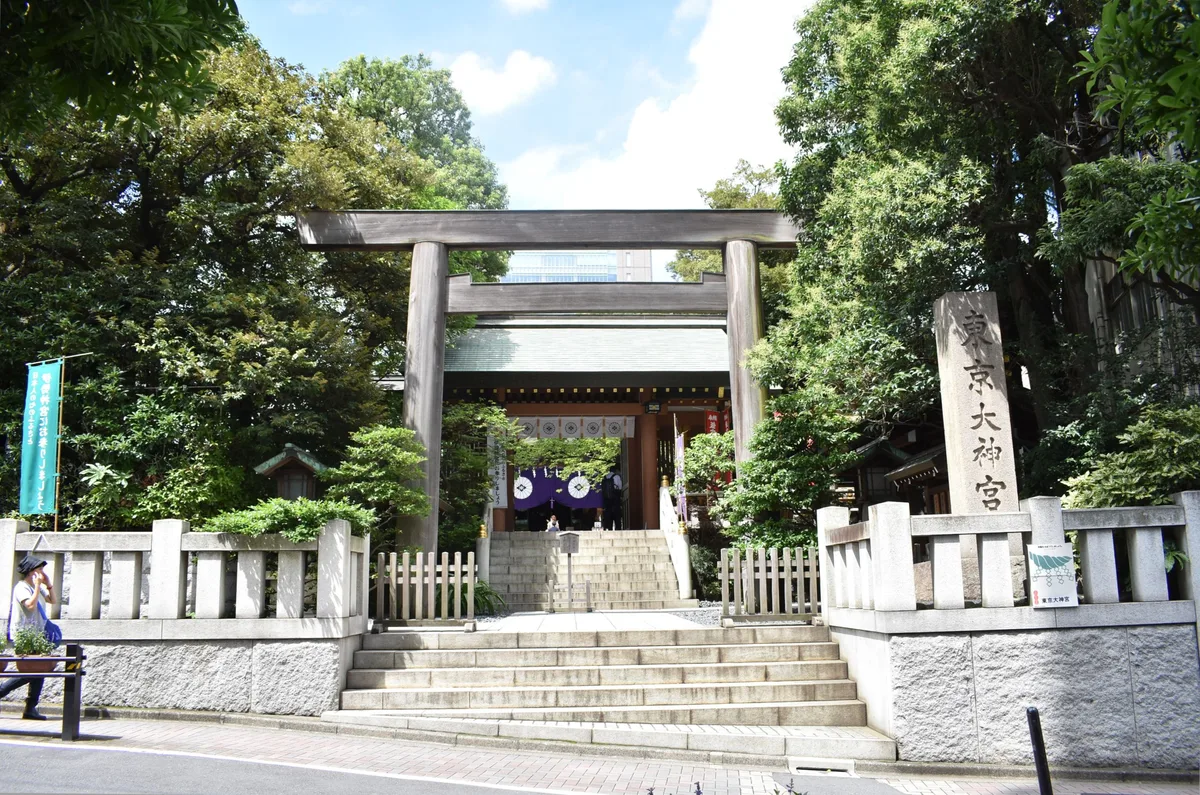
Table of Contents
- Basic Information
- History
- Deities and Matchmaking Blessings
- Japan's First Shinto Wedding
- Charms, Fortunes and Goshuin
- Visiting Tips
- Access
- Recommended Crystals
- FAQ
- Related Articles
Basic Information
| Item | Details |
|---|---|
| Name | Tokyo Daijingu (東京大神宮) |
| Address | 2-4-1 Fujimi, Chiyoda City, Tokyo |
| Gate hours | 6:00–21:00 |
| Charms and fortunes | 8:00–19:00 |
| Goshuin (shrine stamp) | 9:00–17:00 |
| Admission | Free |
| Nearest station | Iidabashi Station (JR, Tokyo Metro, Toei), about 5 minutes on foot |
Hours may change. Please check the shrine's official website before you go.
History
The shrine was founded in 1880 (Meiji 13) as a place in Tokyo to worship toward the Ise Shrine, after approval by Emperor Meiji. It originally stood in Hibiya and was called Hibiya Daijingu.
In 1928 (Showa 3) it moved to its present location in Iidabashi and was called Iidabashi Daijingu. After World War II it took its current name, Tokyo Daijingu.
Deities and Matchmaking Blessings
The enshrined deities are the same as those of the Ise Shrine: Amaterasu-Sumeomikami, Toyouke-no-Okami and Yamatohime-no-Mikoto. The shrine also honors the Three Deities of Creation (Ame-no-Minakanushi, Takamimusubi and Kamimusubi).
The Three Deities of Creation are said to oversee the creation of all things and "musubi" (binding together), which is why the shrine is believed to bring blessings for good relationships. It is also one of the "Five Shrines of Tokyo".
Japan's First Shinto Wedding
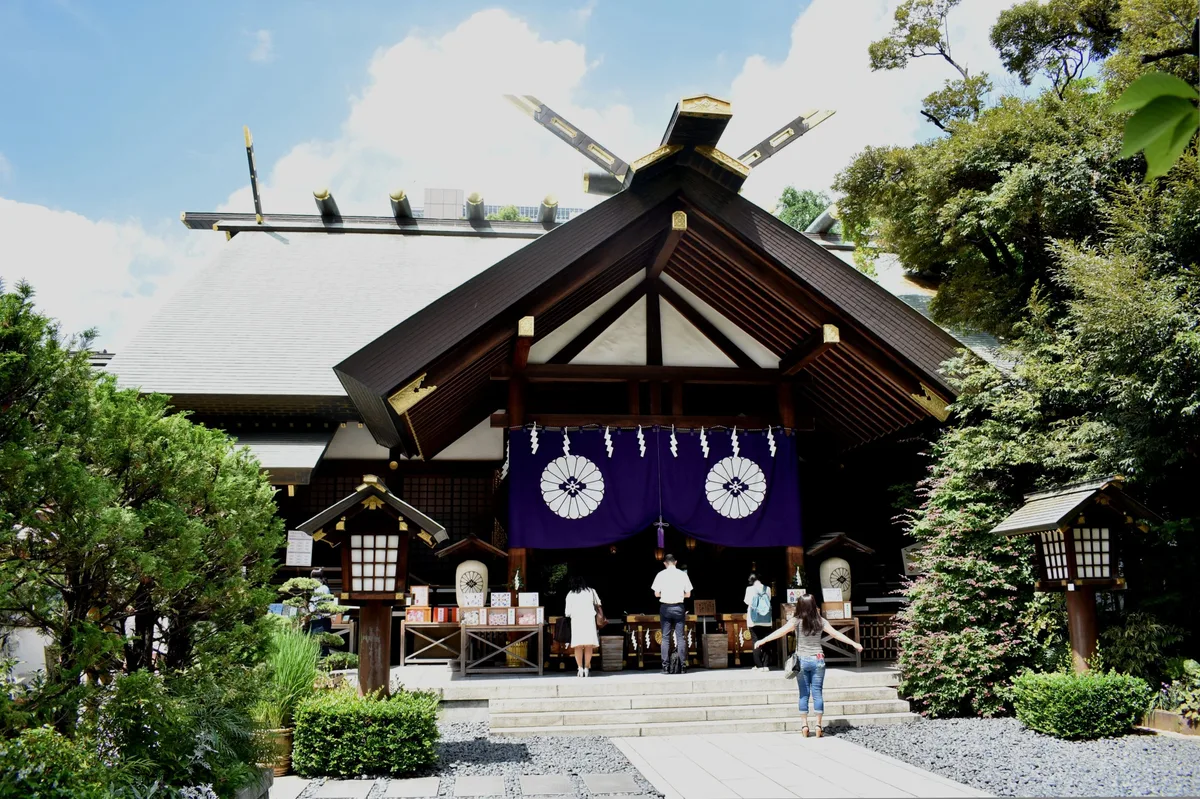
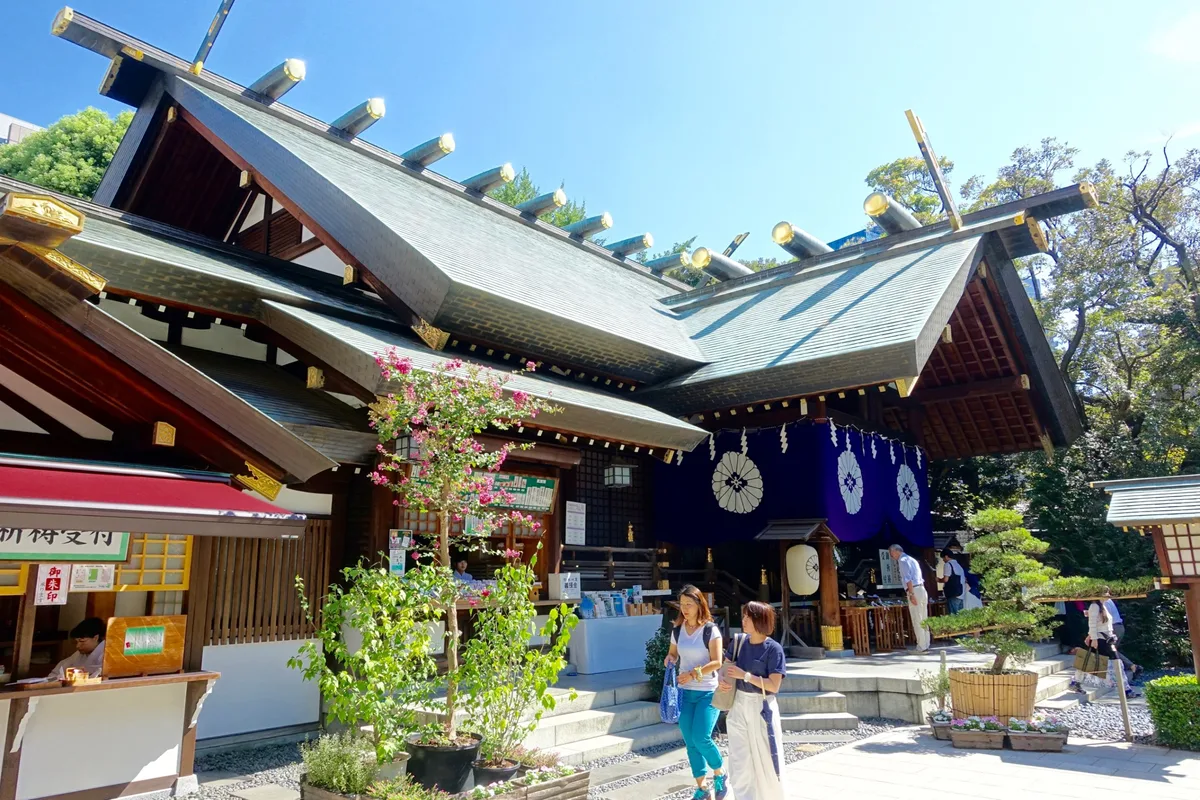
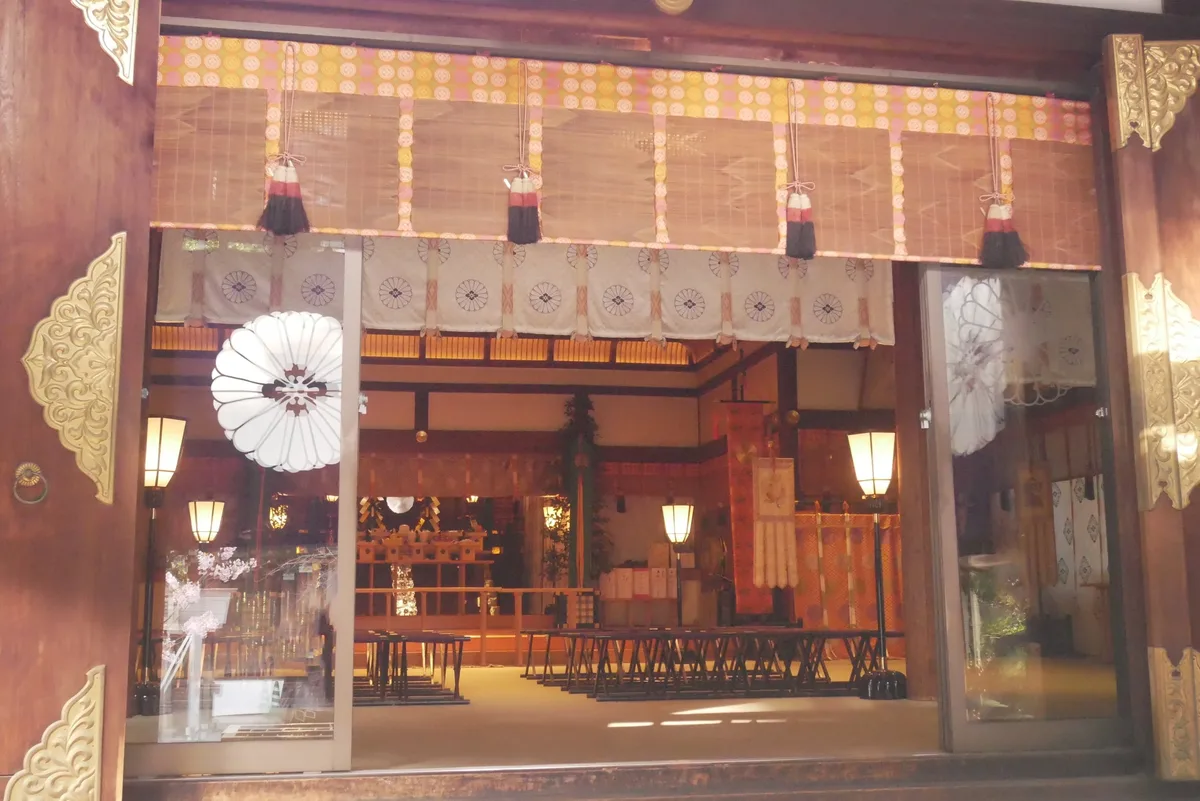
In 1900 (Meiji 33), the wedding of the Crown Prince (later Emperor Taisho) was held in the Kashikodokoro sanctuary in the Imperial Palace. In commemoration, Shinto weddings for the general public are said to have begun in 1901. This is why the shrine is known as the first shrine in Japan to hold Shinto weddings.
Shinto weddings are still held here today, with dances performed by shrine maidens.
Charms, Fortunes and Goshuin
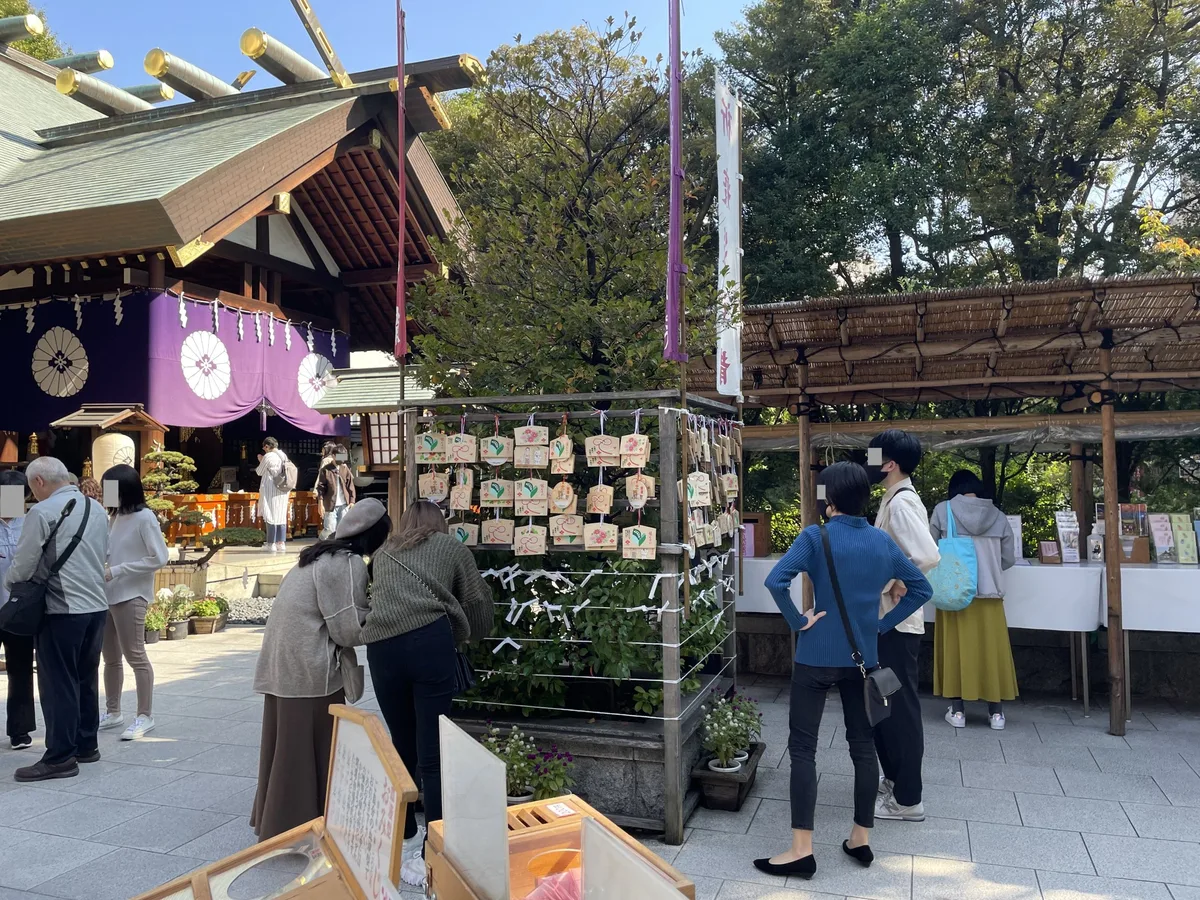
Many visitors come to pray for good relationships, and the shrine's offerings reflect that.
- Matchmaking charms: There are many designs. The "Suzuran" (lily-of-the-valley) charm, named after the flower's meaning, is said to be popular.
- Love fortunes (koi-mikuji): Fortune slips with advice about love, including versions in English.
- Goshuin: Available 9:00–17:00.
Offerings and prices may change, so please check at the shrine office on the day.
Visiting Tips
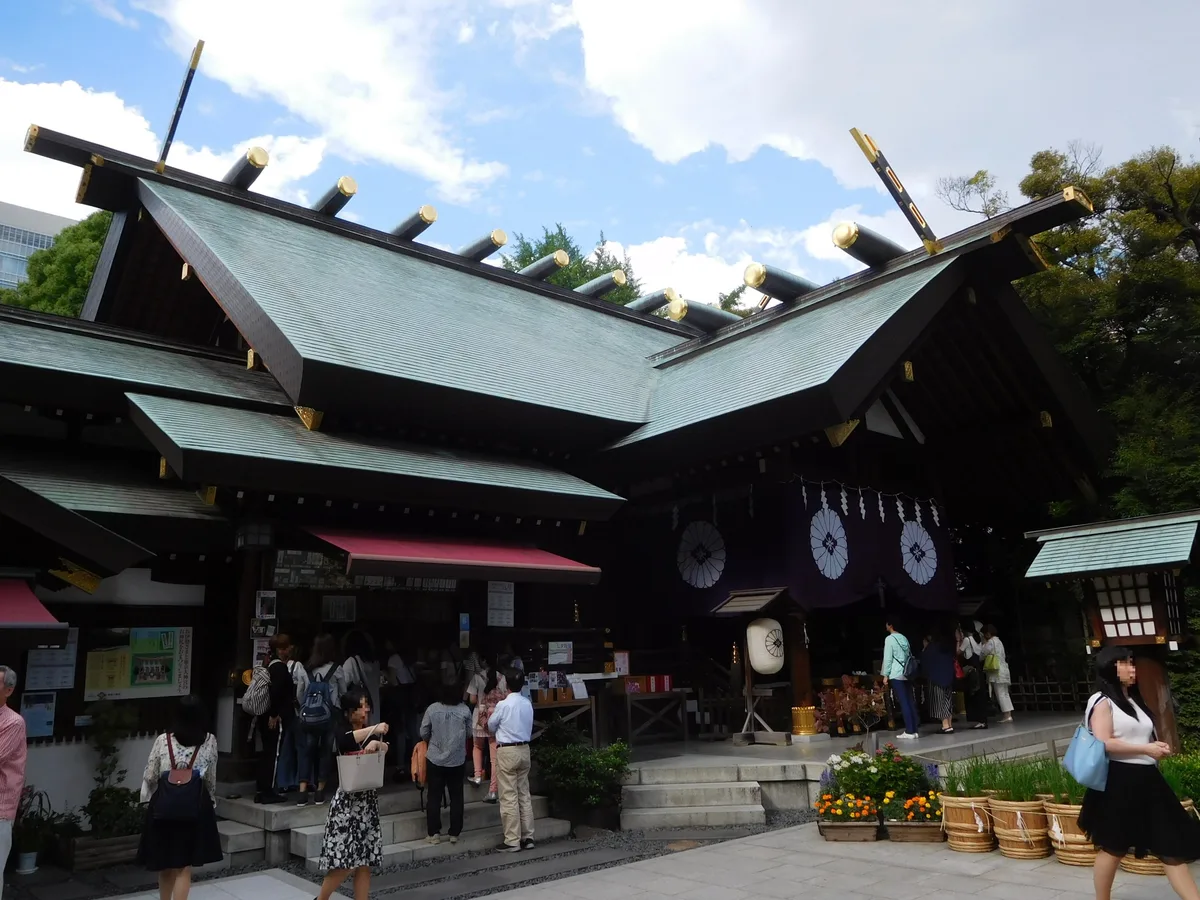
- Visit on a weekday morning. Weekends and holidays tend to be crowded, and queues can form in the precinct.
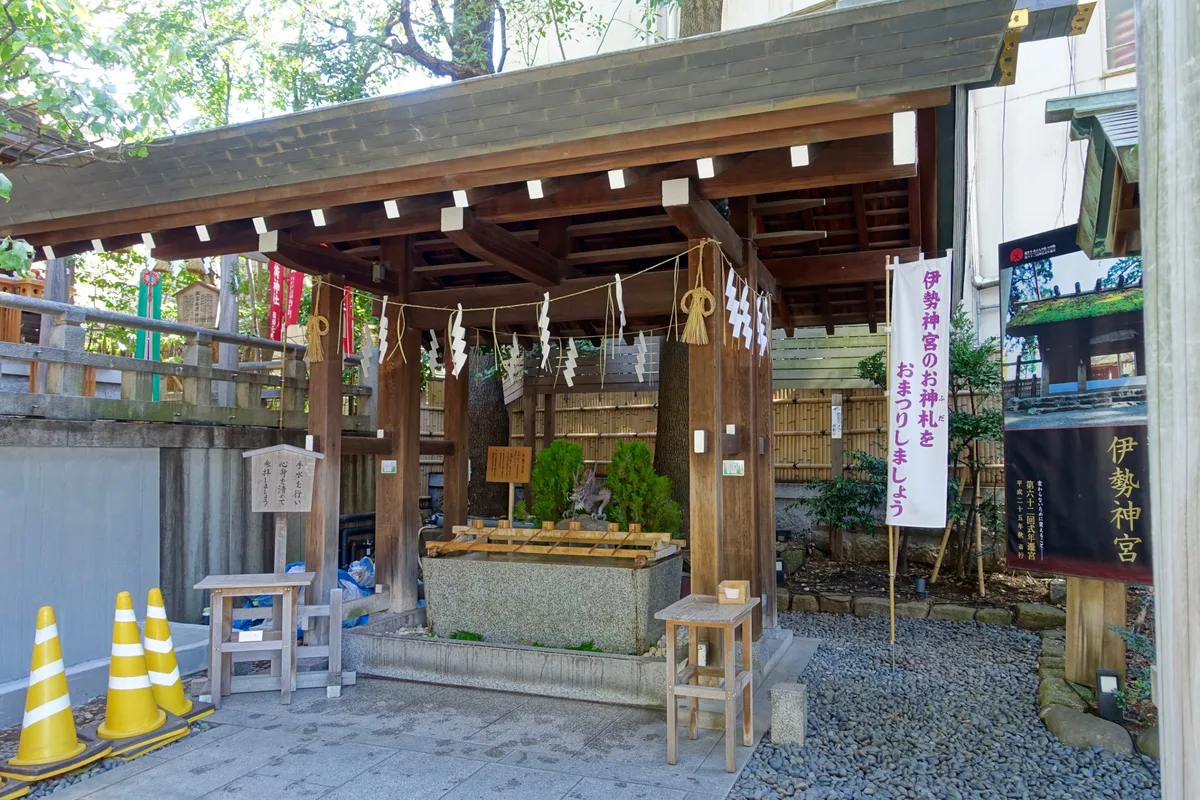
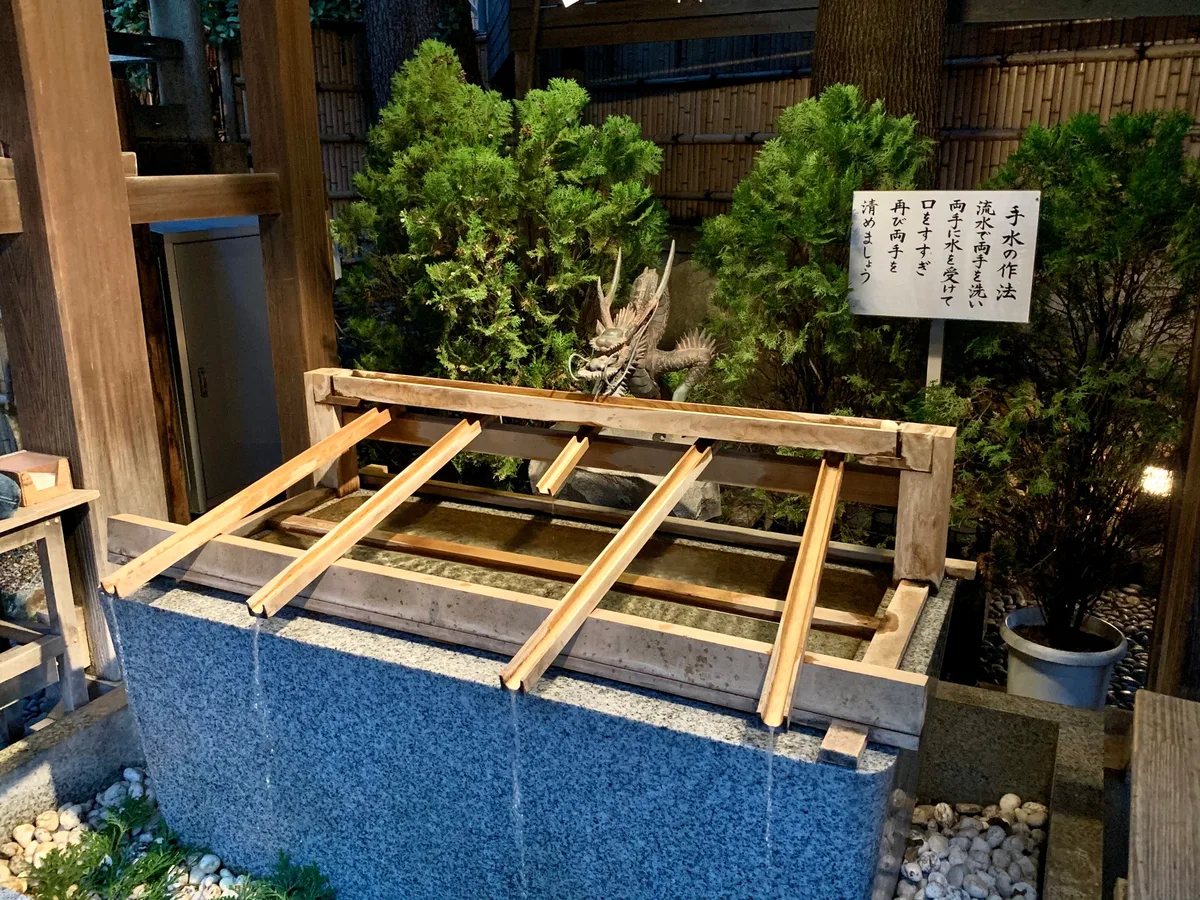
- Purify at the water pavilion before the main hall. See our shrine etiquette guide.
- Pray to the same deities as at Ise. The shrine has long been a place for those who cannot travel to Ise.
- Offer thanks along with your wish. A shrine is considered a place to greet the deities and express gratitude.
Access
- About 5 minutes on foot from JR Chuo-Sobu Line Iidabashi Station, West Exit
- About 5 minutes from Tokyo Metro Yurakucho/Namboku Line Iidabashi Station, Exit B2a
- About 5 minutes from Tokyo Metro Tozai Line / Toei Oedo Line Iidabashi Station, Exit A4
- From JR Tokyo Station, about 20 minutes with a change at Ochanomizu
There is no parking for visitors, so please use public transport.
Recommended Crystals
Stones traditionally associated with love and relationships, to carry when you visit.
| Stone | Why it pairs well |
|---|---|
| Rose Quartz | Said to symbolize affection and harmony |
| Rhodonite | Said to value connections between people |
| Moonstone | Said to support new meetings and intuition |
Note: Meanings come from tradition and do not guarantee any effect.
FAQ
Q1. What kind of shrine is Tokyo Daijingu?
It was founded in 1880 as a place in Tokyo to worship toward the Ise Shrine, and is called "Tokyo's Ise Shrine". It is known as the first shrine in Japan to hold Shinto weddings and is popular for matchmaking.
Q2. What are the opening hours?
The gate is open 6:00–21:00, charms and fortunes are available 8:00–19:00, and goshuin 9:00–17:00. Hours may change, so check the official website.
Q3. How can I avoid crowds?
Weekends and holidays are crowded. A weekday morning is best.
Q4. How do I get there from the station?
It is about 5 minutes on foot from any exit of Iidabashi Station. The JR West Exit and Metro Exits B2a and A4 are convenient.
Q5. Is there an admission fee?
Visiting is free. Charms and goshuin require a separate offering.
Related Articles
- Shrine Etiquette Guide — manners and how to pray
- Matchmaking Shrine Guide — shrines known for good relationships
- Kanto Power Spot Shrines — leading shrines in the Kanto region
- Meiji Jingu Guide — Tokyo's most visited shrine
- Ise Jingu Guide — the Grand Shrine of Japan
- Rose Quartz Meaning — a stone for love
Summary
Tokyo Daijingu is "Tokyo's Ise Shrine", about five minutes on foot from Iidabashi Station. Its 1880 founding, Japan's first Shinto weddings and its matchmaking charms all come together in one compact precinct. A weekday morning is the best time to visit.
Tags
この記事をシェアする
この記事が役に立ったら、SNSでシェアしていただけるととても嬉しいです☀️

Thanks so much for reading! I hope this article brought a little sunshine to your day! See you again soon!
You might also like

Enoshima Shrine Visit Guide
A comprehensive guide to Enoshima Shrine (Enoshima Island, Fujisawa City, Kanagawa Prefecture), covering its history, the Munakata Three Goddesses (Tagorihime-no-Mikoto, Ichikishimahime-no-Mikoto, Tagitsuhime-no-Mikoto), Hetsunomiya, Nakatsunomiya, Okutsunomiya, Japan's Three Great Benzaiten, key visiting points, access, recommended crystals, nearby attractions, and FAQs.
Meiji Jingu Shrine Visitor's Guide
A comprehensive guide to Meiji Jingu Shrine (1-1 Yoyogi Kamizono-cho, Shibuya-ku, Tokyo), covering its history, blessings and benefits, key visiting points, Kiyomasa's Well, Meoto-Kusu (Married Couple Camphor Trees), New Year's visit crowd information, recommended crystals, and nearby spots. This is your definitive guide to fully experience the sacred forest just a minute's walk from Harajuku Station.
Omiwa Shrine Worship Guide
This comprehensive guide covers the history, divine blessings, Mount Miwa faith, key worship points, Sai Shrine, the Medicinal Well, sacred mountain ascent (Tohhai), recommended crystals, and surrounding attractions of Omiwa Shrine (1422 Miwa, Sakurai City, Nara Prefecture). It's an essential resource for visiting a sacred site that continues to preserve one of Japan's oldest forms of primitive worship.
Hakuto Shrine Guide: The White Rabbit of Inaba, Matchmaking Luck & Musubi Stone (Tottori)
A visitor's guide to Hakuto Shrine in Tottori, the setting of the Hare of Inaba myth: the approach, the Mitarashi pond, the musubi stone, a 40-60 minute route, parking and access.