
Amano Iwato Shrine Guide: West Shrine, East Shrine & Amanoyasukawara (Route and Timing)
A visitor's guide to Amano Iwato Shrine in Takachiho, Miyazaki: a route through the West Shrine, East Shrine and Amanoyasukawara, the timed viewing of the sacred cave, how long to allow, parking, goshuin, stone-stacking etiquette and the best seasons.
Table of Contents (Tap to toggle)
Introduction
Amano Iwato Shrine in Takachiho, Miyazaki, enshrines the cave called "Amano Iwato," where the sun goddess Amaterasu is said to have hidden. The West Shrine and East Shrine face each other across the Iwato River, and upstream lies Amanoyasukawara, where the gods are said to have gathered to talk.
Three things worth knowing before you go:
- The sacred cave is viewed through a timed guided visit at the worship point (yohaisho). Check the next start time at the shrine office as soon as you arrive to avoid waiting.
- Amanoyasukawara is about a 10-minute walk from the West Shrine. Walking there lets you experience the mythical scene on foot.
- Visiting is free, and parking is reported to be free too (about 50 spaces). It is close enough to Takachiho Gorge to combine in half a day.
Table of Contents
- Basic Information
- The Myth of Amano Iwato
- What Visitors Are Said to Gain
- West Shrine: The Sacred Cave and Worship Point
- East Shrine: Where the Goddess Is Said to Have Rested
- Amanoyasukawara: A Place of Stacked-Stone Prayers
- Model Route and Time Needed
- Tips to Avoid Missteps
- Returning Old Amulets and Talismans
- Access
- Recommended Crystals
- Basic Etiquette
- FAQ
- Related Articles
Basic Information
| Item | Details |
|---|---|
| Name | Amano Iwato Shrine (Amano-iwato Jinja) |
| Address | 1073-1 Iwato, Takachiho, Nishiusuki District, Miyazaki |
| Enshrined deity | West Shrine: Ōhirume-no-Mikoto (another name for Amaterasu). East Shrine: Amaterasu |
| Object of worship | West Shrine: the cave "Amano Iwato" |
| Shrine office | 8:30-17:00 (reported open daily) |
| Admission | Free (a donation is customary for the guided worship-point visit) |
| Parking | About 50 spaces, free |
| Phone | +81-982-74-8239 |
| Official site | https://amanoiwato-jinja.jp/ |
Note: hours and procedures can change. Please check the official site or call before you go.
The Myth of Amano Iwato
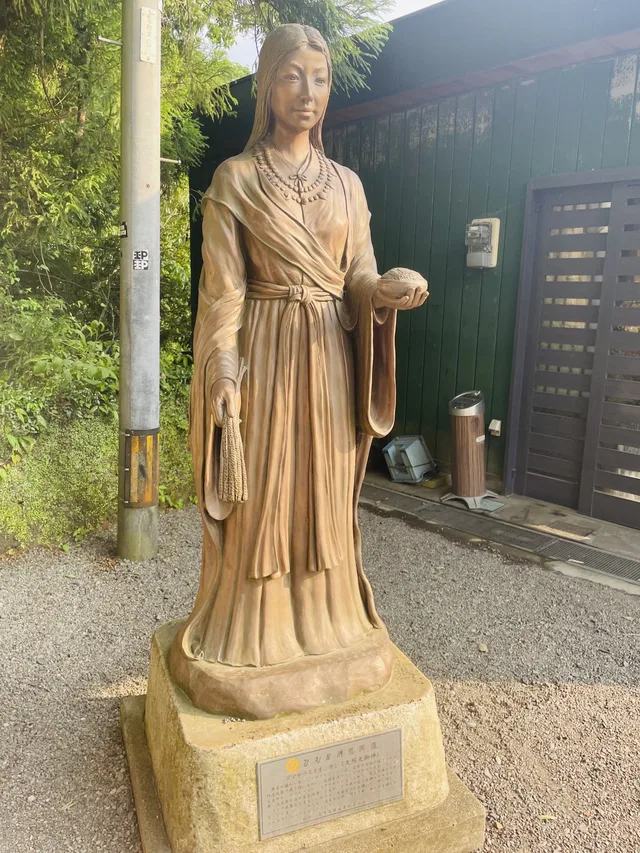
The Kojiki and Nihon Shoki say the sun goddess Amaterasu, upset by the rough behavior of her brother Susanoo, hid in the cave Amano Iwato. The world fell into darkness, and the eight million gods gathered to decide what to do.
Ame-no-Uzume danced, and Amaterasu, curious about the laughter, opened the rock slightly; Ame-no-Tajikarao then pulled the door open. These scenes are tied to this land in local tradition.
That makes Amano Iwato Shrine a place associated with the story of light returning after darkness.
What Visitors Are Said to Gain
What follows is commonly said about this shrine and is not a guarantee of any result.
- A fresh start: Because of the myth of light returning, many people visit when they want to reset their mood or begin anew.
- Good fortune and wishes: Amaterasu is described as a sun and agricultural deity with many roles, and visitors bring a wide range of wishes.
- Wish-making: At Amanoyasukawara, stacking a stone while making a wish is a well-known custom.
- A way to feel the myth: Viewing the sacred cave and walking the riverbed where the gods are said to have met makes Japanese mythology feel close.
West Shrine: The Sacred Cave and Worship Point
At the West Shrine, the cave itself is the object of worship, so there is no typical inner sanctuary. You cannot see it from the main hall; instead, the worship point behind the hall lets you face the cave across the Iwato River.
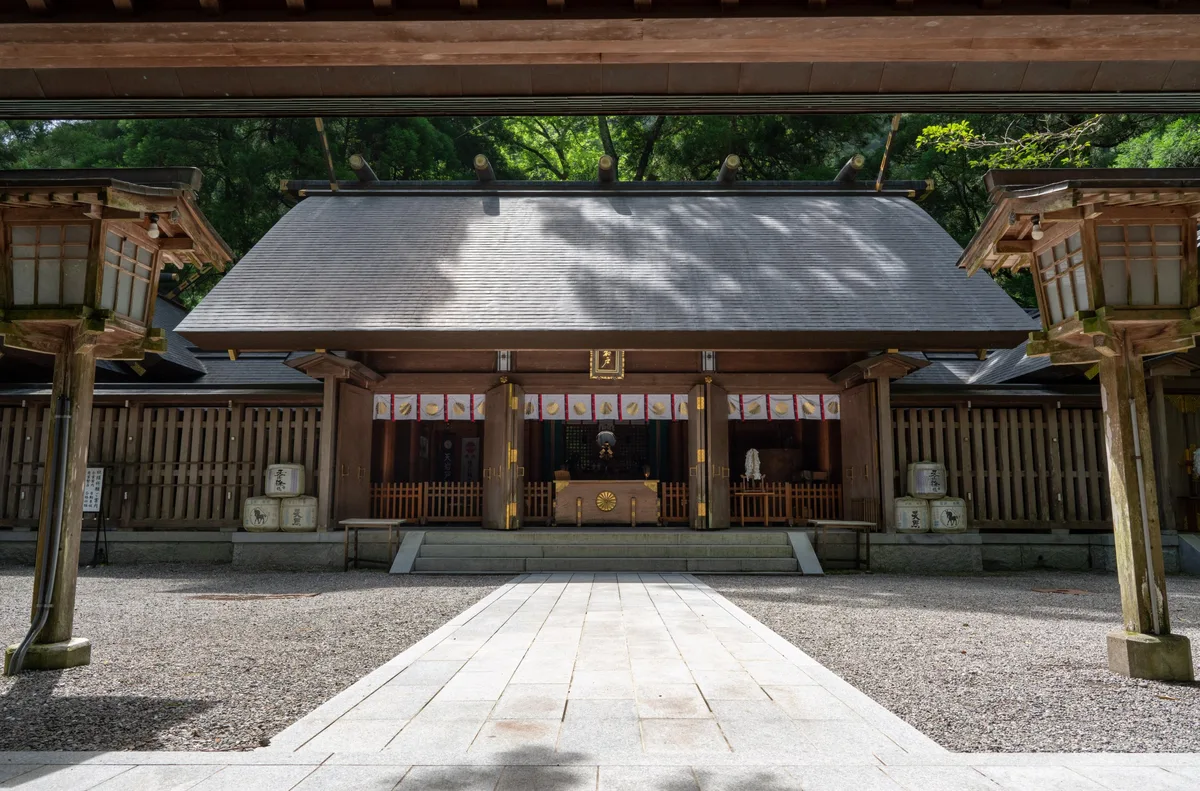
Visits to the worship point are guided by a priest at set times (about 20 minutes each, reported roughly every 30 minutes). You apply at the shrine office, so check the next start time when you arrive.
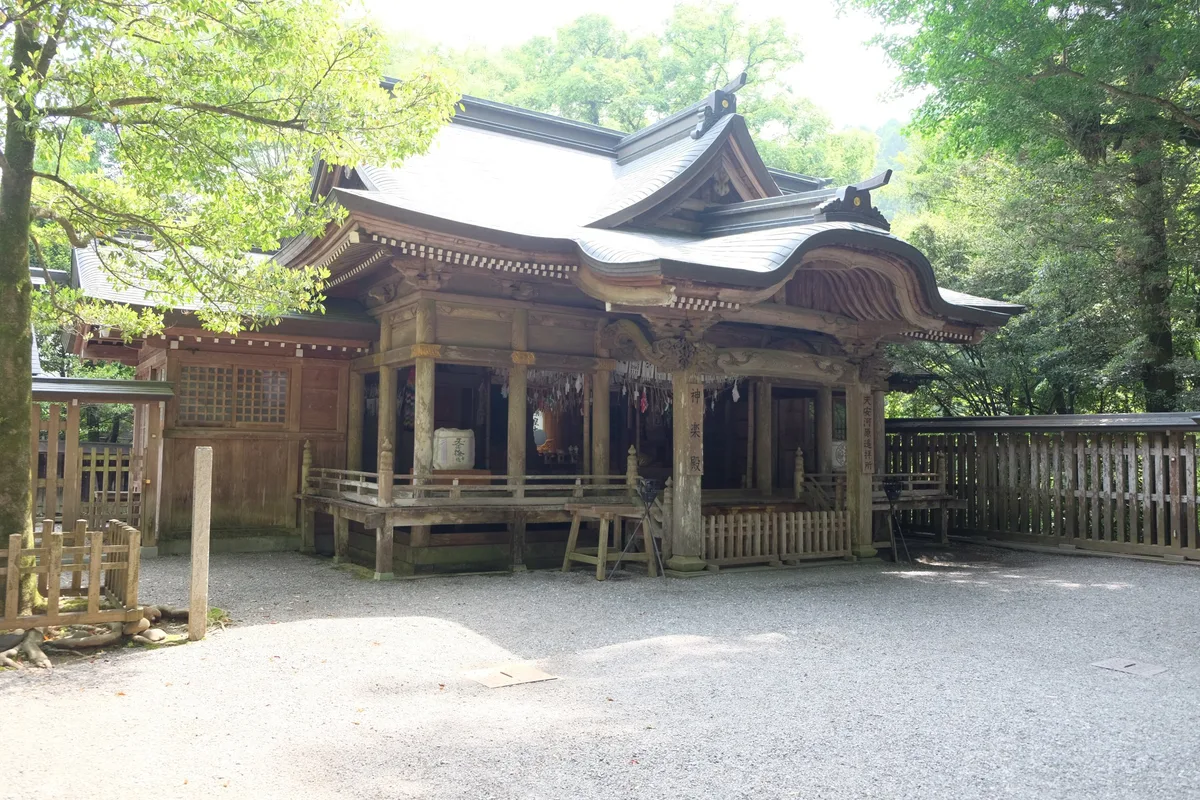
Beside the approach is the Amano Iwato Shrine Museum, which displays stone tools and magatama beads excavated in Takachiho. If you have time, it adds context about ancient life behind the myth.
East Shrine: Where the Goddess Is Said to Have Rested
Across the river, the East Shrine is said to be the first place Amaterasu rested after emerging from the cave. Because it is apart from the West Shrine, it tends to be quieter and easier to visit in peace. Behind the hall, spring water rising at the base of a sacred tree is also reported.
Amanoyasukawara: A Place of Stacked-Stone Prayers
Amanoyasukawara is a large cave said to be where the eight million gods gathered to plan how to bring Amaterasu out. It is about a 10-minute walk along the Iwato River from the West Shrine and is open at all times.
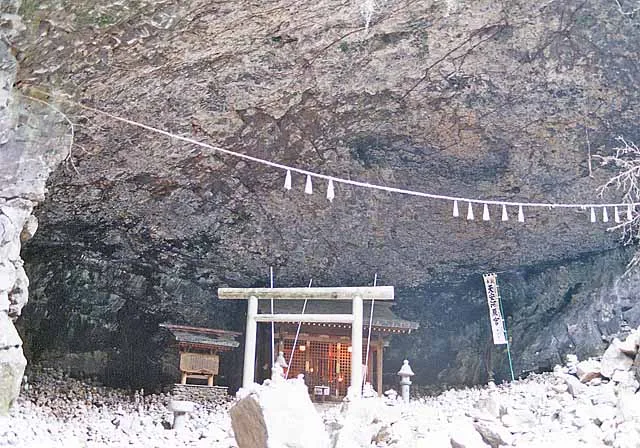
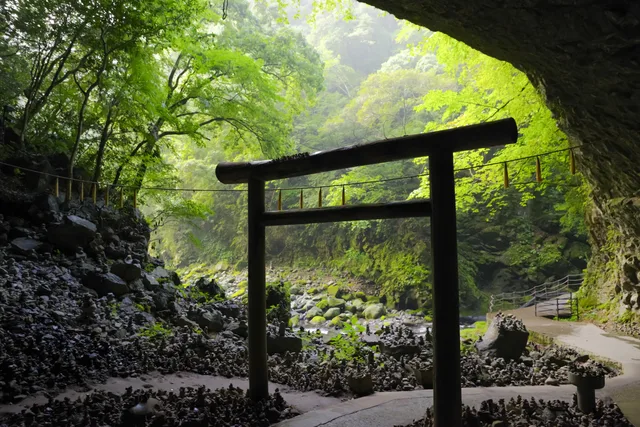
It is said that stacking a stone and making a wish can help it come true, and the riverbed is full of stones left by visitors. The path can be slippery when wet, so wear shoes you can walk in comfortably.
Model Route and Time Needed
Times are only a guide.
- Arrive at the West Shrine: pay your respects, then check the next worship-point time at the office (about 10 min).
- While waiting, look around the precinct and museum (about 20 min).
- Worship point: view the cave (about 20 min).
- Walk to Amanoyasukawara and back (about 40-60 min including time there).
- If you have time, the East Shrine (about 20-30 min).
Allow 2 to 3 hours in total to avoid rushing.
Tips to Avoid Missteps
- Go to the office first. The worship-point visits are timed, so confirm the next one right away.
- Earlier in the morning is better. It tends to be calmer before tour groups arrive.
- Wear comfortable shoes. The way to Amanoyasukawara can be slippery after rain.
- November 3: Iwato Kagura public festival. Plan around it if you want to see kagura (check the official site for the latest schedule).
- Goshuin and amulets are reported to be available at the shrine office, so visit during office hours.
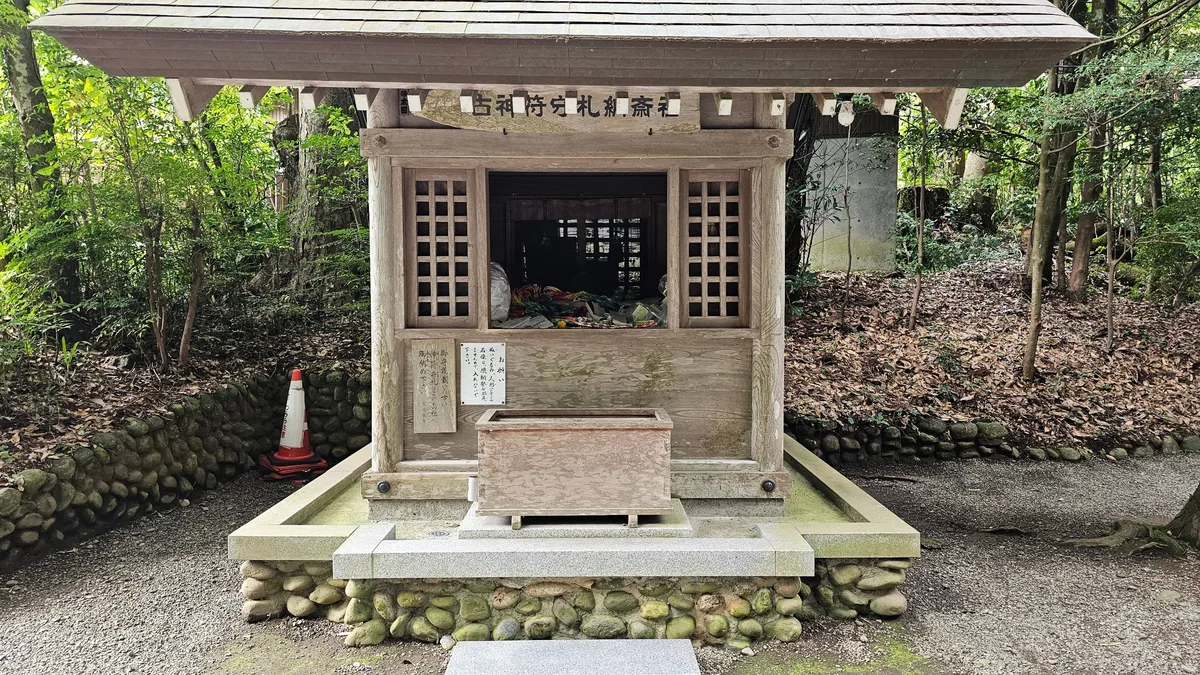
Returning Old Amulets and Talismans
The precinct has a place for returning old amulets and talismans. If you have old ones at home, returning them during your visit can make a nice moment of closure.
Access
- By car: about 10 minutes from Takachiho Bus Center. About 50 free parking spaces.
- By bus: about 16 minutes from Takachiho Bus Center on the Miyazaki Kotsu bus bound for Amano Iwato Shrine; get off at the shrine. Buses are infrequent, so check the timetable.
- From Takachiho Gorge: about 15 minutes by car.
Recommended Crystals
Stones often chosen to carry on a visit (not a guarantee of any result).
| Stone | Why people choose it |
|---|---|
| Clear Quartz | Associated with light, fitting for this mythical setting |
| Obsidian | A volcanic stone chosen by those wishing to reset |
| Amethyst | Chosen by those seeking intuition and calm |
Basic Etiquette
- Bow before passing through the torii.
- Walk at the side of the approach; the center is said to be for the gods.
- Purify your hands and mouth at the water pavilion.
- Pray with two bows, two claps, one bow.
- At Amanoyasukawara, only add a small new stack; do not knock stones down or take them away.
- At the worship point, follow the priest's guidance and stay quiet.
If you are unsure about etiquette, see our Complete Guide to Shrine Visit Basics.
FAQ
Q1. Do I need a reservation for the worship point?
A. It is described as applying at the shrine office. Because visits are timed, check the next start time as soon as you arrive. For the latest procedure, check the official site or call.
Q2. How long should I allow?
A. About 2 to 3 hours for the West Shrine, worship point and Amanoyasukawara (a little longer with the East Shrine).
Q3. How should I stack stones at Amanoyasukawara?
A. Do not knock down existing stacks; just add a small new one. Do not take stones away.
Q4. Can I go in the rain?
A. Yes, but the path to Amanoyasukawara gets slippery. Comfortable shoes and a rain jacket that frees both hands are safer than an umbrella.
Q5. Can I combine it with Takachiho Gorge?
A. It is about 15 minutes by car, so Amano Iwato Shrine in the morning and the gorge in the afternoon works well.
Related Articles
- Takachiho Gorge Pilgrimage Guide - Manai Falls, rental boats and highlights of the mythic village
- Complete Guide to Shrine Visit Basics - etiquette, manners and wish-based visits
- Kirishima Jingu Guide - the other land of the Tenson Kōrin myth
Tags
この記事をシェアする
この記事が役に立ったら、SNSでシェアしていただけるととても嬉しいです☀️

Thanks so much for reading! I hope this article brought a little sunshine to your day! See you again soon!
You might also like
Takachiho Gorge Pilgrimage Guide
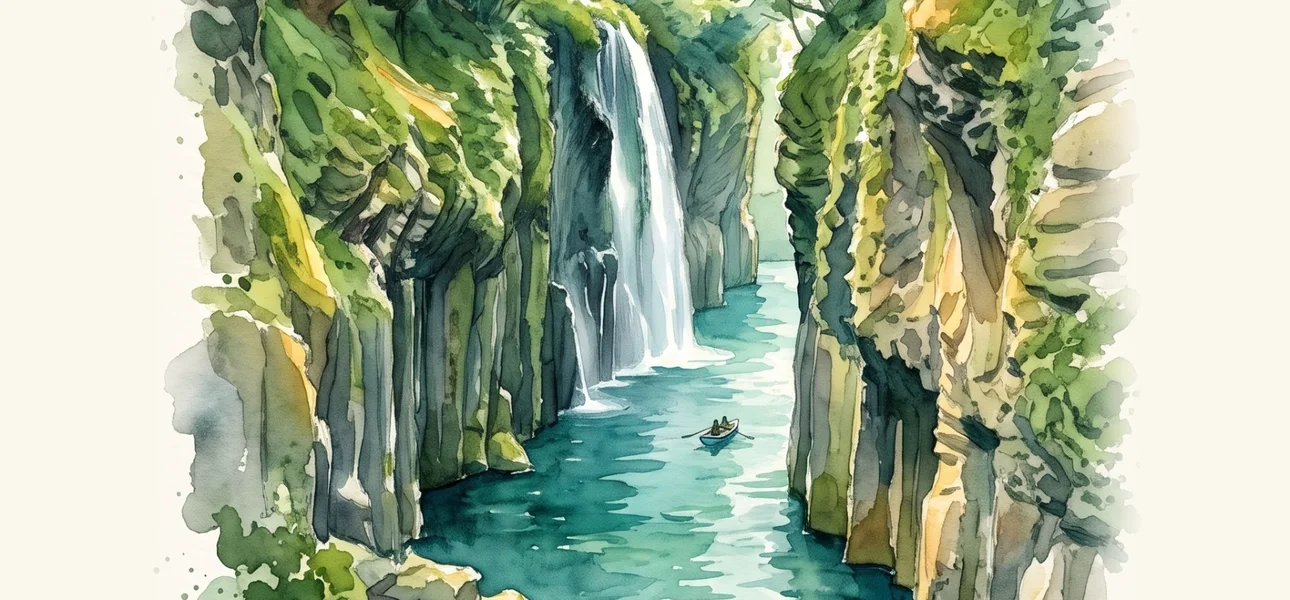
A comprehensive guide to Takachiho Gorge (Takachiho Town, Nishiusuki District, Miyazaki Prefecture), covering its geology, the Tenson Kōrin myth, Manai Falls, rental boats, Takachiho Shrine, Yokagura (night rituals), Amano Iwato Shrine, Amanoyasukawara, key visiting points, access, recommended crystals, nearby spots, and FAQs.
Omiwa Shrine Worship Guide
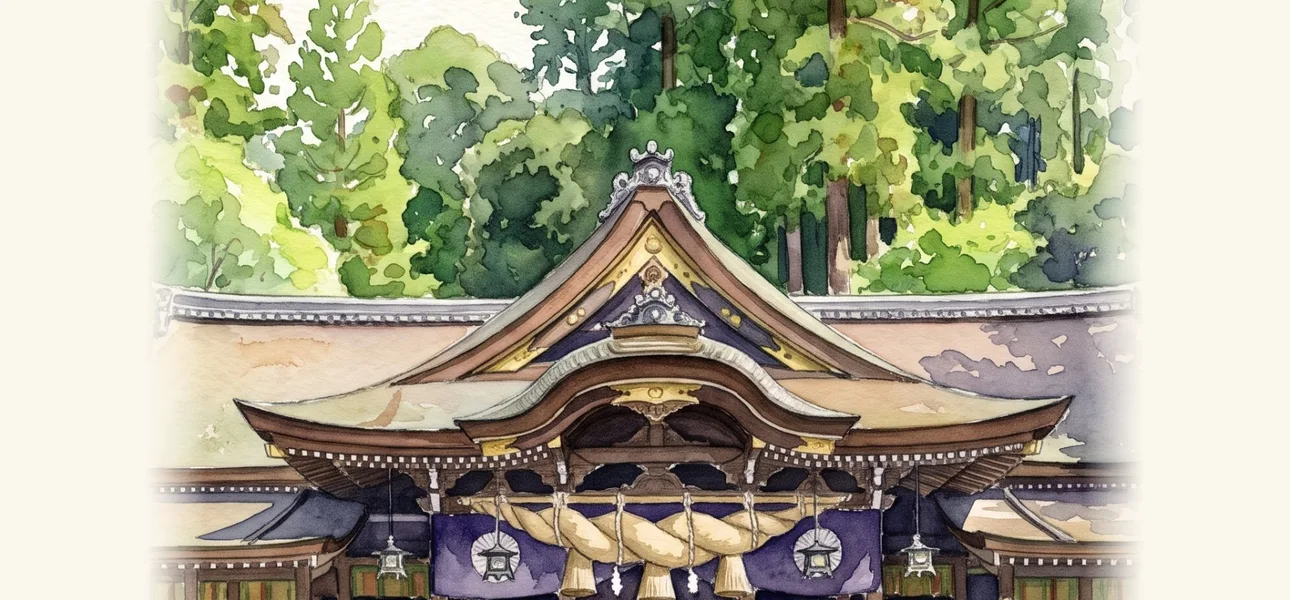
This comprehensive guide covers the history, divine blessings, Mount Miwa faith, key worship points, Sai Shrine, the Medicinal Well, sacred mountain ascent (Tohhai), recommended crystals, and surrounding attractions of Omiwa Shrine (1422 Miwa, Sakurai City, Nara Prefecture). It's an essential resource for visiting a sacred site that continues to preserve one of Japan's oldest forms of primitive worship.
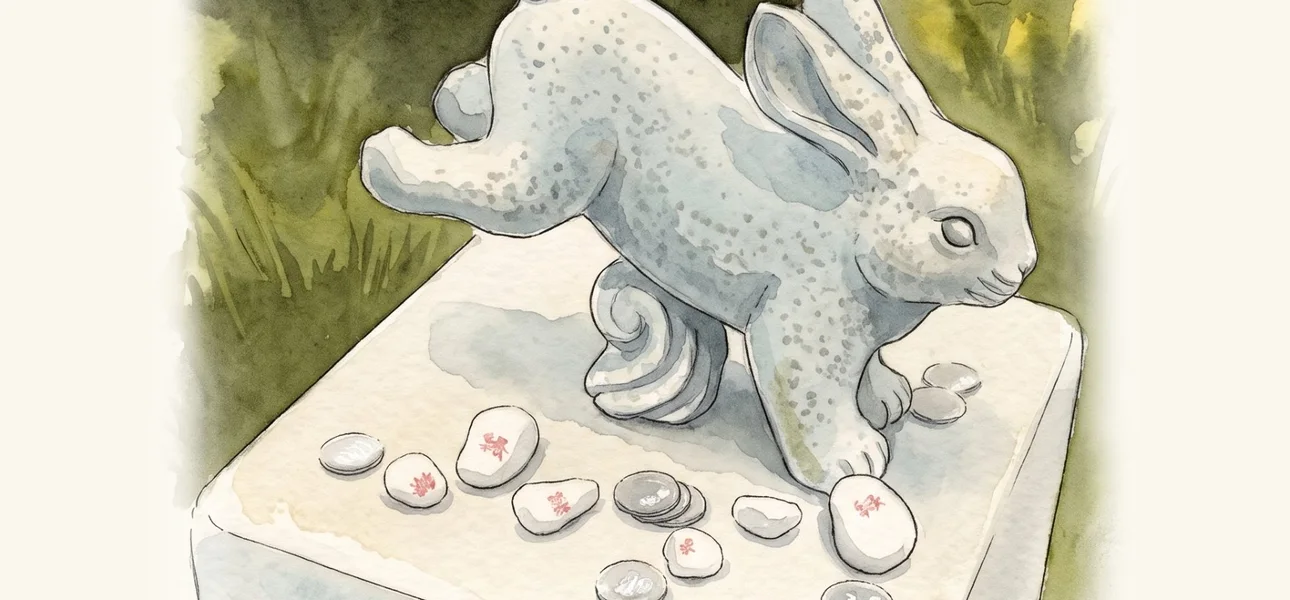
Hakuto Shrine Guide: The White Rabbit of Inaba, Matchmaking Luck & Musubi Stone (Tottori)
A visitor's guide to Hakuto Shrine in Tottori, the setting of the Hare of Inaba myth: the approach, the Mitarashi pond, the musubi stone, a 40-60 minute route, parking and access.
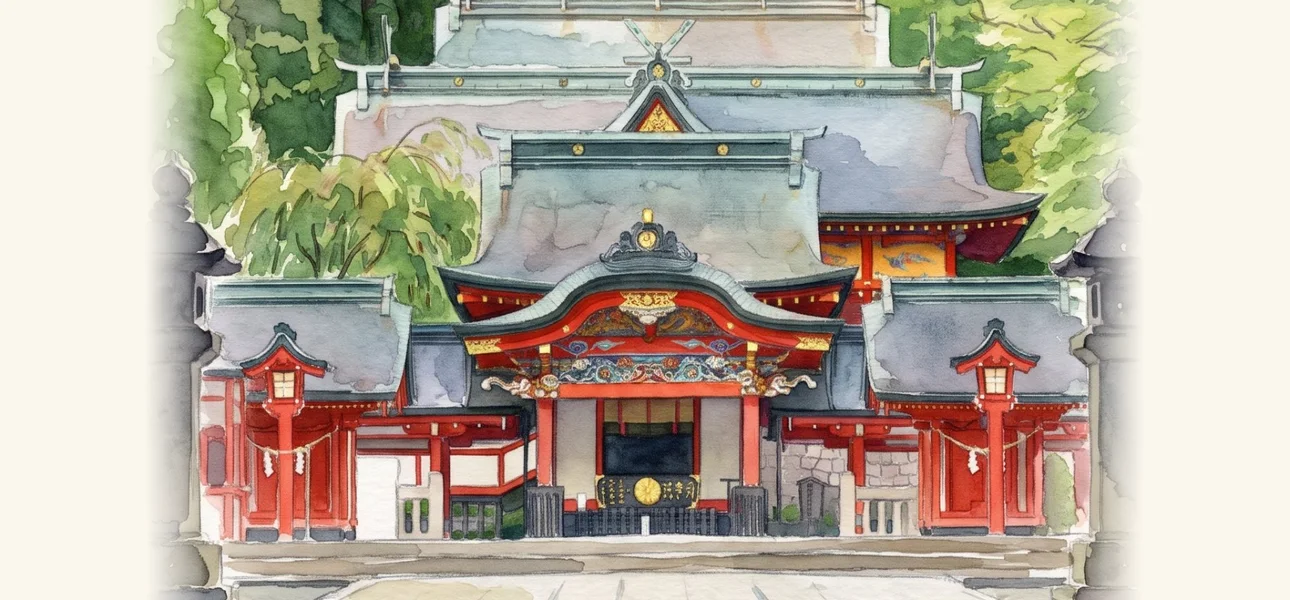
Kirishima Jingu Pilgrimage Guide
A comprehensive guide to Kirishima Jingu (Kirishima City, Kagoshima Prefecture), covering its history, Ninigi-no-Mikoto, the Tenson Korin myth, the vermilion National Treasure shrine, Sakamoto Ryoma's honeymoon, Mt. Takachiho trailhead, key visiting points, access, recommended crystals, nearby attractions, and FAQs.