
Obsidian: Meaning, Stone Language, and Effects
A comprehensive guide to Obsidian (Black Obsidian), covering its stone language, history, legends related to the mirror of truth, warding off negative energy, and releasing the past, as well as compatible combinations, mineral data, and frequently asked questions.
Table of Contents (Tap to toggle)
Introduction
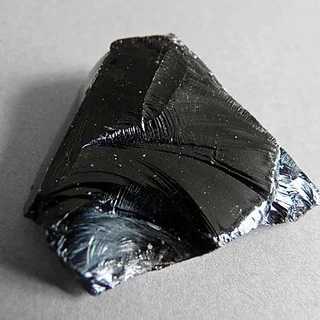
Obsidian is a natural glass formed from rapidly cooled volcanic lava. In ancient Maya and Aztec civilizations, it was revered as a sacred "Smoking Mirror" used by priests for divination. During Japan's Jomon period, arrowheads and blades crafted from obsidian were widely traded. With its sharp fracture and jet-black luster, Obsidian holds a unique presence as "the stone that cuts through truth" and "the mirror that reflects the past." This article summarizes its mineral data, historical background, commonly attributed effects, FAQs, and an editor's note.
Table of Contents
- Basic Information and Mineral Data
- Stone Language and Historical and Cultural Background
- Types of Variations
- Commonly Attributed Effects
- Examples of Use
- Compatible Combinations
- Cleansing Methods and Care
- Frequently Asked Questions (FAQ)
- Editor's Note
- Related Articles You Might Like
Basic Information and Mineral Data
| Item | Content |
|---|---|
| Stone Name | Obsidian |
| Japanese Name | Kokuyouseki (黒曜石) |
| Mineral Species | Natural Glass (Volcanic Rock) |
| Chemical Composition | SiO₂ (70% or more) + Trace Elements |
| Crystal System | Amorphous (Glassy) |
| Main Producing Areas | Mexico, United States, Armenia, Japan (Hokkaido, Nagano) |
| Mohs Hardness | 5 to 5.5 |
| Color | Jet black, brown (mahogany), iridescent (rainbow), white flecks (snowflake) |
| Corresponding Chakra | First (Root) |
Obsidian is an amorphous natural glass without a crystal structure, and it fractures cleanly like glass with a conchoidal break. Japan's Wada Pass, Kozushima Island, and Hokkaido are among the leading producing areas in Japan, and archaeological evidence confirms traces of trade by Jomon people.
Stone Language and Historical and Cultural Background
Its stone language includes "Truth, Protection from Negative Energy, and Release of the Past."
In ancient Aztec civilization, obsidian mirrors were symbols of "Tezcatlipoca, the Smoking Mirror god," and priests used the images reflected in them for divination. In Mayan civilization, it was treated as a sacred tool, a ceremonial knife called "Chac Mool," used to touch the essence of life. The obsidian mirror used by John Dee (Queen Elizabeth I's magician in the 16th century) is still on display at the British Museum today. In Japan, obsidian has been referred to as "a fragment of the night sky" since ancient times, and it has been spoken of as a stone for warding off negative energy.
Source: GIA Obsidian Reference, various archaeological and anthropological documents.
Types of Variations
| Type | Characteristics |
|---|---|
| Black Obsidian | Common jet black, strong protection from negative energy |
| Rainbow Obsidian | Iridescent colors, for healing the past |
| Snowflake Obsidian | White flecks, symbolizes tension relief |
| Mahogany Obsidian | Reddish-brown stripes, synergy with action and drive |
| Gold Sheen Obsidian | Golden iridescence, for decision-making and abundance |
Recommended for people who:
- Want to confront past pain and trauma
- Wish to articulate their true desires
- Seek strong protection from negative energy and guardianship
- Value intuition and spiritual sensitivity
- Are at a significant turning point
Commonly Attributed Effects
Please note: The "effects" of crystals are cultural and symbolic in nature. They are not medically or scientifically guaranteed, and how one experiences these effects can vary from person to person.
- Reflects Truth — Symbolizes facing your true self and heart
- Strong Protection from Negative Energy — An amulet of guardianship passed down from ancient times
- Release of the Past — Helps to let go of attachments and old emotions
- Awakens Intuition — Said to promote deep insight
- Grounding — Helps to stabilize emotions and keep you rooted to the earth
Examples of Use
- As a pendant around your neck or chest — To shed light on past emotions around the 4th chakra
- As a bracelet on your left hand — To absorb protection, as the left side is considered the receiving side
- Tumbled stone by your bedside — For self-reading through dreams
- In the palm of your hand during meditation — To support introspection
- Gazing at a sphere or egg shape — Following the ancient tradition of using it as a "mirror"
Compatible Combinations
| Combination | Expected Meaning |
|---|---|
| Obsidian and Rose Quartz | Healing wounds and self-love |
| Obsidian and Clear Quartz | Amplification of awareness of truth |
| Obsidian and Onyx | Double protection and willpower |
| Obsidian and Amethyst | A pair for introspection and awareness |
| Obsidian and Hematite | Strong grounding |
Cleansing Methods and Care
- Clear quartz chips, white sage, and moonlight bathing — The three classic methods
- Running water is also okay for short periods
- Avoid prolonged direct sunlight
- Fragile to impact — Prone to breaking if dropped, and its edges are sharp
- Handle gently and keep out of reach of children
Frequently Asked Questions (FAQ)
Q1. Can Obsidian feel "heavy"?
A. Due to its strong protective properties against negative energy and its introspective effects, sensitive individuals may experience a feeling of being "deeply moved" or emotionally stirred. During periods of emotional instability, it's advisable not to force it. Instead, combine it with lighter stones such as Rose Quartz or Clear Quartz, or give it a break.
Q2. What is the difference between Obsidian and Onyx?
A. Onyx is a crystalline chalcedony, while Obsidian is an amorphous natural glass. Although their colors are similar, they are entirely different mineralogically. Obsidian is more prone to fracturing and is strongly associated with introspection and the release of the past.
Q3. Is the rainbow in Rainbow Obsidian real?
A. Yes, it is. It's a natural iridescence caused by light interference from microscopic air bubbles or thin layers of minerals. Its mystical appearance, where a rainbow emerges depending on the angle of light, is said to symbolize gently illuminating past pains.
Q4. Do Japanese-produced obsidian stones have special meaning?
A. Obsidian from Hokkaido, Nagano, and Kozushima Island holds historical value as evidence of trade during the Jomon period. Many people report feeling "energy connected to ancient Japan" when carrying it as an amulet.
Q5. Are there other stones suitable for releasing the past and organizing your thoughts?
A. Amethyst, Sugilite, Charoite, and Morion are classic choices. For more details, please refer to the healing and warding off evil chapters in the Complete Guide to Crystals by Purpose.
Editor's Note
For Sun-chan, Obsidian is "the stone for nights when you want to be honest." Before writing in my diary, or on nights when I want to organize thoughts I won't show anyone else—when I hold it in my palm and take a deep breath, I feel a sense of hidden emotions quietly surfacing. It might not be a "pleasant" stone, per se. But on days when "time to be honest with myself" is what I need, I feel there's no better companion than this stone.
Related Articles You Might Like
- Onyx: Meaning and Effects — The Black Protection Pair
- Morion (Black Quartz): Meaning and Effects — Powerful Protection from Negative Energy
- Amethyst: Meaning and Effects — The Introspection Pair
- Complete Guide to Crystal Cleansing Methods — How to care for Obsidian
- Complete Guide to Crystals by Purpose — Featured in the Chapters on Warding off Evil and Healing
Summary
- Obsidian is a volcanic glass symbolizing "Truth, Protection from Negative Energy, and Release of the Past."
- Revered as "mirrors and arrowheads" since ancient times in Maya, Aztec, and Japanese Jomon periods.
- Abundant variations including Rainbow, Snowflake, and Mahogany Obsidian.
- Fragile to impact and prone to breaking; handle with care.
- Popular combinations include Rose Quartz and Clear Quartz.
Each time you wear it, Obsidian reminds you to "be true to yourself"—it's a stone you can have such a relationship with.
Tags
この記事をシェアする
この記事が役に立ったら、SNSでシェアしていただけるととても嬉しいです☀️

Thanks so much for reading! I hope this article brought a little sunshine to your day! See you again soon!
You might also like

Apatite: Meaning, Stone Lore, and Effects
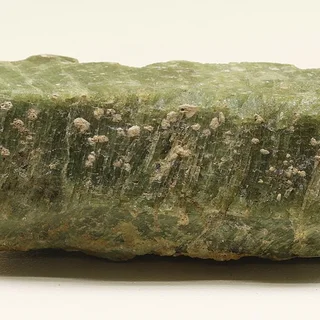
A comprehensive guide to Apatite: Its meaning, stone lore ('Communication, Academics, Goal Achievement'), effects, who it's recommended for, compatible stones, and purification methods. Discover the basics and practical uses of this 'Blue Guiding Stone' that helps you achieve your goals, all on one page.

How to Properly Wear Crystals
It's believed that the meaning of crystals changes depending on whether you wear them on your left or right hand. This beginner's guide provides a complete explanation of how to properly wear bracelets, pendants, rings, and earrings, how to align them with chakras, where to place them in your home, and even when not to wear them.

Moonstone Meaning, Stone Properties, and Effects
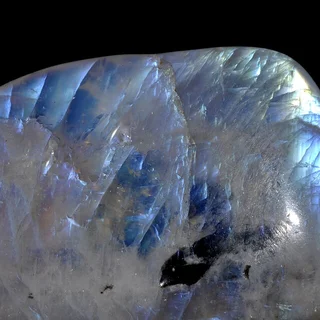
A comprehensive guide to moonstone's properties, history, lore surrounding femininity, intuition, and new moons, ideal pairings, mineral data, and FAQs. This is your go-to resource for incorporating this milky white stone, revered as the embodiment of the moon from ancient India to Rome, into your life.

Pyrite (Iron Pyrite): Meaning, Stone Language, and Effects
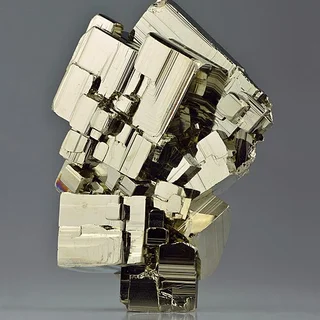
A comprehensive guide to Pyrite (Iron Pyrite), covering its meaning, 'stone language' (financial luck, willpower, and warding off evil), effects, who it's recommended for, compatible stones, and purification methods. Discover the essentials and practical applications of this symbol of prosperity, famously known as 'Fool's Gold,' all in one place.