
Complete Guide to Kyushu's Power Spot Shrines and Sacred Sites
This article contains promotional content.
A curated introduction to Kyushu's top power spot shrines and sacred sites. This page compares the enshrined deities, blessings, highlights, access, and visiting tips for five major locations: Munakata Taisha (Fukuoka), Aso Shrine (Kumamoto), Kirishima Jingu (Kagoshima), Takachiho Gorge (Miyazaki), and Yakushima (Kagoshima).
Table of Contents (Tap to toggle)
Introduction
"Want to explore the setting of the Tenson Korin myth?" "Dreaming of visiting world heritage-level power spots?" —Kyushu is a treasure trove of sacred sites, serving as the mythical stage where Ninigi-no-Mikoto, grandson of Amaterasu Omikami, descended, and home to a concentration of World Heritage and World Natural Heritage sites. On this page, I've compiled a comparison of five must-visit power spot shrines and sacred sites in Kyushu, linking to our individual guide articles, so you can see them all at a glance. Considering the enshrined deities, highlights, and access, find the perfect place for your visit in no time! For shrine etiquette, please refer to our Complete Guide to Shrine Visits. For choosing shrines by specific blessings, also check out our Guide to Love and Relationship Shrines, Guide to Financial Luck Shrines, and Guide to Academic Success Shrines.
Features of Kyushu's Power Spots
Kyushu's power spot shrines and sacred sites are where several themes intertwine: "The Stage of the Tenson Korin Myth," "Volcanoes and Rebirth," "Maritime Trade and Benzaiten Worship," and "World Natural Heritage Sites." It's a region rich in grand-scale spiritual places.
- Tenson Korin Myth: The mythical stage of Takachiho and Kirishima.
- Volcanoes and Rebirth: The relationship between Mount Aso, Sakurajima, Kirishima Mountains, and the local shrines.
- Maritime Trade: Munakata Taisha's World Heritage site, Okinoshima, the "Island of Gods."
- World Natural Heritage: Yakushima's Jomon Sugi cedar and Yaku Shrine.
Access from Tokyo to Hakata is about 5 hours by Shinkansen (bullet train) or 2 hours by plane. The classic plan is to base yourself in Fukuoka, Kumamoto, Miyazaki, or Kagoshima and spend 2 to 3 nights exploring.
Note: The blessings of shrines are cultural and symbolic. They do not guarantee that wishes will be fulfilled.
Quick Reference Table for Recommended Shrines and Sacred Sites in Kyushu
| Name | Prefecture | Deities / Features | Main Blessings | Nearest Access |
|---|---|---|---|---|
| Munakata Taisha | Fukuoka | Munakata Three Goddesses | Maritime Safety, Financial Luck, International Exchange | JR Togo Station plus bus |
| Aso Shrine | Kumamoto | Takeiwatatsu-no-Mikoto and Aso Twelve Gods | Love and Relationships, Bountiful Harvests | Aso Station plus bus |
| Kirishima Jingu | Kagoshima | Ninigi-no-Mikoto | Tenson Korin, National Peace and Stability | Kirishima Jingu Station |
| Takachiho Gorge | Miyazaki | Stage of the Ama-no-Iwato Myth | Fulfillment of Wishes, Mythical Experience | Nobeoka Station plus bus |
| Yakushima | Kagoshima | Yaku Shrine and Jomon Sugi | Nature Worship, Spiritual Growth | Yakushima Airport, Miyanoura Port |
Munakata Taisha (Fukuoka Prefecture) — World Heritage "Island of Gods," Okinoshima
Munakata Taisha enshrines the Munakata Three Goddesses (Tagorihime-no-Kami, Takitsuhime-no-Kami, and Ichikishimahime-no-Kami), serving as the general guardian of the sea. Okinoshima, the "Island of Gods," is registered as a World Heritage site, and the shrine has been deeply revered on a national scale since ancient times as a guardian deity for maritime trade routes to the continent. It operates under a three-shrine system: Hetsugu, Nakatsugu, and Okitsugu.
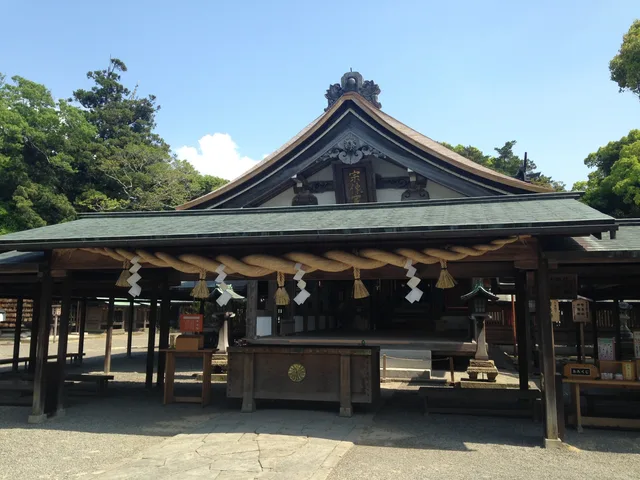
- Location: 2331 Tajima, Munakata, Fukuoka (Hetsugu)
- Highlights: Hetsugu (open for worship), National Treasures in Shinpokan Museum, Okinoshima (general public not allowed to land)
- Access: About a 12-minute bus ride from JR Kagoshima Main Line "Togo" Station
- Blessings: Maritime safety, financial luck, business prosperity, international exchange
- Recommended Season: Year-round; allow half a day if including the Shinpokan Museum visit.
Aso Shrine (Kumamoto Prefecture) — Symbol of Revival, One of Japan's Three Great Romon Gates
Aso Shrine is Higo Province's Ichinomiya, enshrining Takeiwatatsu-no-Mikoto and the Aso Twelve Gods. The romon gate and haiden (worship hall) collapsed in the 2016 Kumamoto Earthquake, but the romon gate was completely restored in December 2023, resurrecting one of Japan's Three Great Romon Gates. It is the land of the pioneering myth where a deity "kicked open the caldera."
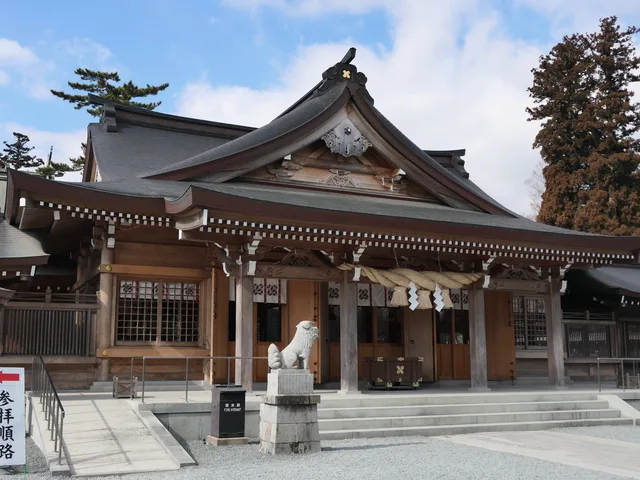
- Location: 3083-1 Miyaji, Ichinomiya-machi, Aso, Kumamoto
- Highlights: Romon Gate (restored), Shaden (main hall), Takasago-no-Matsu pine, Aso Caldera
- Access: About a 15-minute bus ride from JR Hohi Main Line "Aso" Station (or by car)
- Blessings: Love and relationships, marital harmony, bountiful harvests,厄除 (warding off evil)
- Recommended Season: After spring's controlled burns, summer's fresh greenery, autumn's highlands
Kirishima Jingu (Kagoshima Prefecture) — Vermilion Shrine Enshrining the Protagonist of Tenson Korin
Kirishima Jingu is an ancient shrine enshrining Ninigi-no-Mikoto, the protagonist of the Tenson Korin myth. Its vermilion-lacquered shrine complex is a National Treasure, and it's also known as a destination for Sakamoto Ryoma and Oryo's honeymoon. Located at the foot of Mount Takachiho, it is a sacred site imbued with the spiritual energy of the Kirishima mountain range.
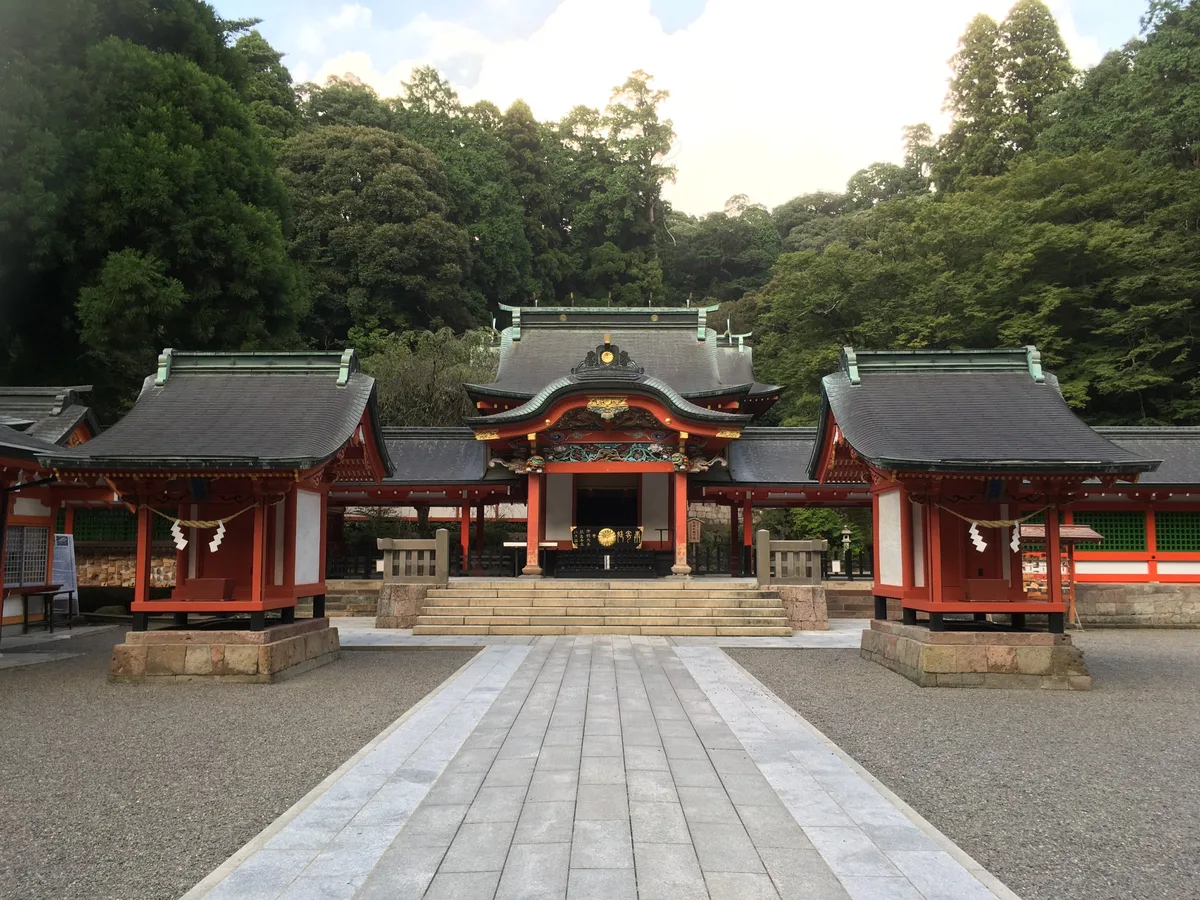
- Location: 2608-5 Taguchi, Kirishima, Kirishima, Kagoshima
- Highlights: Vermilion-lacquered National Treasure main shrine, sacred tree, views of the Kirishima mountains
- Access: About a 13-minute bus ride from JR Nippo Main Line "Kirishima Jingu" Station
- Blessings: Tenson Korin, national peace and stability, bountiful harvests, love and relationships
- Recommended Season: Early summer for Miyama Kirishima azaleas, autumn for foliage
Takachiho Gorge (Miyazaki Prefecture) — The Divine Scenery of Ama-no-Iwato Myth and Columnar Joints
This Miyazaki gorge is considered the stage of the Tenson Korin myth. It is famous for its breathtaking scenery, where columnar jointed rock walls lead to the Manai Falls, and a rental boat ride right under the waterfall is a classic experience. Takachiho Shrine hosts Yokagura (nighttime sacred dance) performances every evening, and the myths of Ama-no-Iwato (the rock cave of heaven) still resonate at Ama-no-Iwato Shrine and Amanoyasugawara.
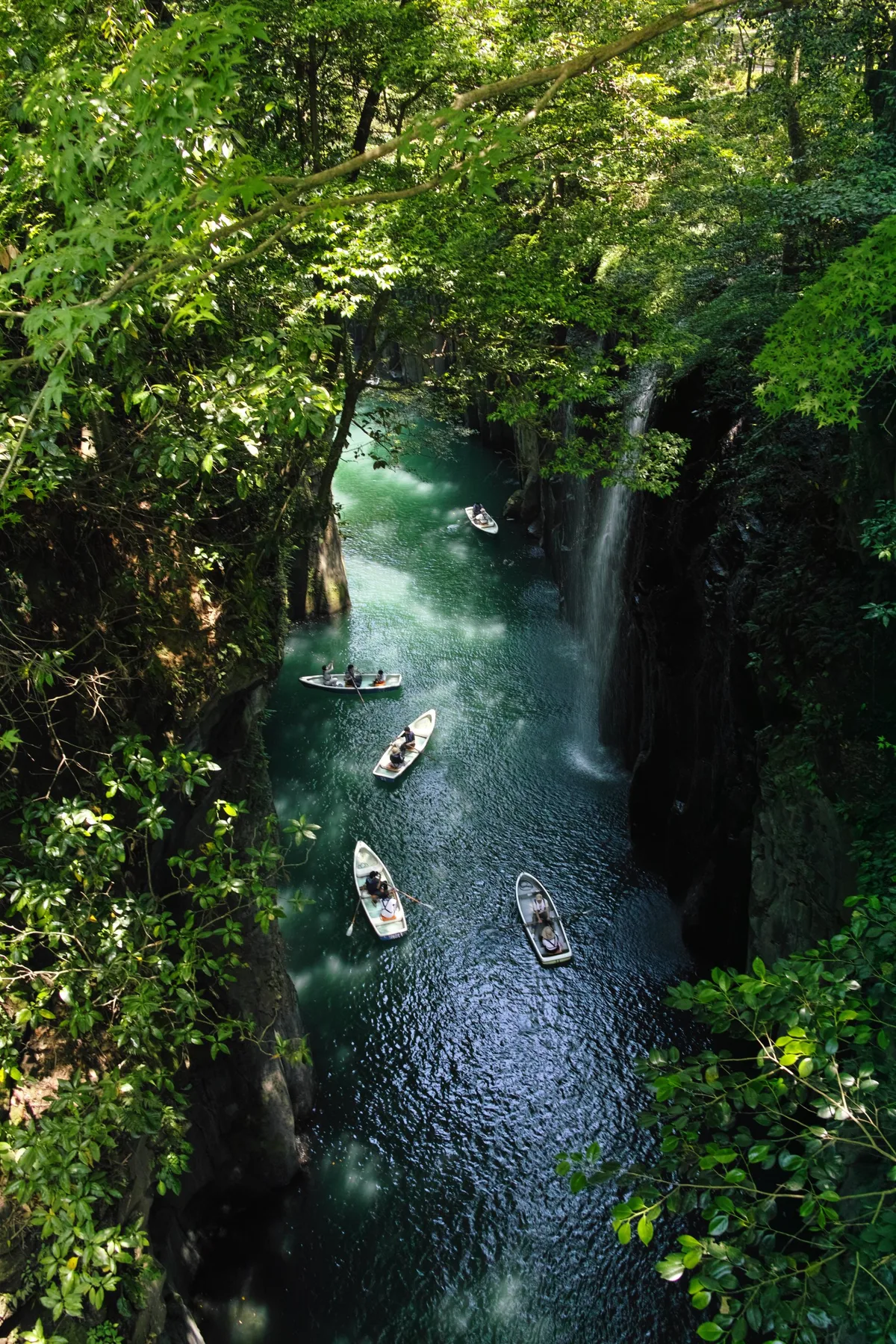
- Location: Mitai, Takachiho-cho, Nishiusuki-gun, Miyazaki
- Highlights: Manai Falls, columnar joints, Yokagura at Takachiho Shrine, Ama-no-Iwato Shrine, Amanoyasugawara
- Access: About a 1 hour and 30 minute bus ride from JR Nippo Main Line "Nobeoka" Station (or by car)
- Blessings: Fulfillment of wishes, mythical experience, purification
- Recommended Season: Spring and autumn (summer is crowded, winter is severely cold)
Yakushima (Kagoshima Prefecture) — World Natural Heritage Site, the Island of Jomon Sugi
Yakushima is a World Natural Heritage island boasting the Jomon Sugi (cedar tree estimated to be 2,000 to 7,000 years old). Shiratanisunsui Gorge is said to be the model for "Princess Mononoke," and Yaku Shrine is the largest shrine on the island, enshrining Yamahiko. The entire island is a power spot, making it a truly unique place.
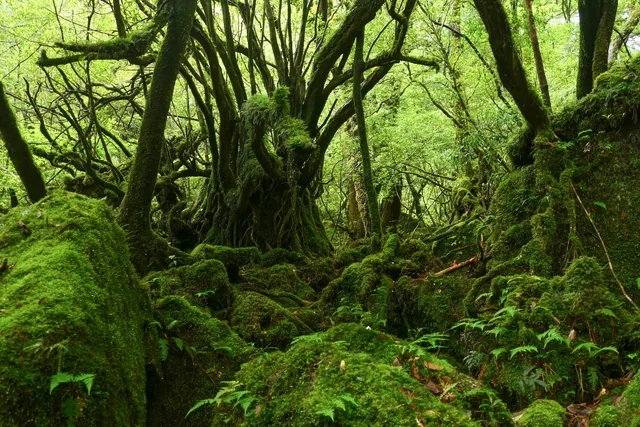
- Location: Kumage District, Yakushima, Kagoshima
- Highlights: Jomon Sugi (10-hour round-trip trek), Shiratanisunsui Gorge, Yakusugi Land, Yaku Shrine, Mount Miyanoura
- Access: Yakushima Airport (approx. 40 mins from Kagoshima Airport) / High-speed ferry "Toppy and Rocket," ferry (from Kagoshima Port)
- Blessings: Nature worship, spiritual growth, purification
- Recommended Season: Spring to early summer (relatively less rain), autumn for foliage
Model Itineraries for Exploring Kyushu
Visiting all five locations requires a minimum of 3 to 5 days. Here are some themed combinations:
Classic: Tenson Korin Route (3 Days, 2 Nights)
- Day 1: Miyazaki Airport → Takachiho → Takachiho Shrine's Yokagura → Overnight in Takachiho
- Day 2: Takachiho → Kumamoto → Aso Shrine → Overnight in Aso
- Day 3: Aso → Kagoshima → Kirishima Jingu → Return from Kagoshima Airport
Fukuoka and Munakata (2 Days, 1 Night)
- Day 1: Fukuoka → Munakata Taisha → Shinpokan Museum visit → Overnight in Fukuoka city
- Day 2: Fukuoka city sightseeing or visit Dazaifu, etc. → Return Home
Yakushima (4 Days, 3 Nights)
- Day 1: Kagoshima Airport → Yakushima Airport → Overnight in Miyanoura area
- Day 2: Jomon Sugi trekking (10-hour round trip) → Overnight
- Day 3: Shiratanisunsui Gorge and Yaku Shrine → Overnight in Yakushima
- Day 4: Yakushima → Return Home
Key Visiting Tips
Common tips for visiting Kyushu's five locations:
- Okinoshima is off-limits to the public: Experience its essence at the Shinpokan Museum instead.
- Aso Shrine is a symbol of recovery: Visit respectfully and offer prayers for its complete restoration.
- Kirishima Jingu's vermilion National Treasure shrine is a highlight: Take photos only in permitted areas.
- Rental boats at Takachiho Gorge are highly recommended to book in advance: Waiting times can exceed an hour on the day.
- Yakushima's weather is unpredictable: Be fully prepared with rain gear and equipment, and don't hesitate to turn back if necessary.
- Renting a car for travel within Kyushu is efficient, especially recommended for Aso, Kirishima, and Takachiho.
Frequently Asked Questions (FAQ)
Q1. Can I visit all the famous shrines in Kyushu in one trip?
A. Physically, it's challenging. The travel distances between Fukuoka, Kumamoto, Miyazaki, and Kagoshima are long. A minimum of 5 days to a week is more realistic. It's recommended to focus on 2 to 3 locations based on a theme.
Q2. Can I go to Okinoshima?
A. Women are forbidden from landing, and men are also prohibited from landing except for specific rituals. This has been strictly enforced since its World Heritage registration. Visiting the Shinpokan Museum at Hetsugu is the alternative to learn about it.
Q3. Is the Jomon Sugi trek in Yakushima suitable for beginners?
A. It is a full-fledged 10-hour round-trip mountain hike. Prior training, appropriate gear, and a reliable guide are recommended. Beginners should start with shorter courses like Yakusugi Land or Shiratanisunsui Gorge for safety.
Q4. When can I see the Takachiho Yokagura (night sacred dance)?
A. It is performed every evening at Takachiho Shrine from 8:00 PM to 9:00 PM (please check in advance). Experiencing Kagura in the setting of myth is unique. From November to February, more elaborate "all-night Kagura" performances are also offered in various local communities.
Q5. Is it okay to bring a crystal when visiting a shrine?
A. Yes. It's common practice to hold it in your palm before passing through the torii gate, or to place it near an omamori (charm) or Ofuda (talisman) after your visit. For more details, please refer to Basics of Crystals and Feng Shui.
Related Articles You Might Also Like
- Complete Guide to Shrine Visits — Basic etiquette and manners
- Guide to Love and Relationship Shrines — Blessing-specific hub (Love and Relationships)
- Guide to Financial Luck Shrines — Blessing-specific hub (Financial Luck)
- Guide to Academic Success Shrines — Blessing-specific hub (Academic Success)
- Guide to Kanto Power Spot Shrines — Famous shrines near Tokyo
- Guide to Chubu Power Spot Shrines — Famous shrines in Shinshu and Tokai
- Guide to Kansai Power Spot Shrines — Famous shrines in Western Japan
Summary
- Kyushu is the mythical stage of the Tenson Korin legend and a treasure trove of sacred sites with a concentration of World Heritage and World Natural Heritage sites.
- Experience the sea and Benzaiten at Munakata Taisha, recovery at Aso Shrine, Tenson Korin at Kirishima Jingu, the mythical stage at Takachiho Gorge, and primeval forests at Yakushima.
- To visit all five locations, allow at least 5 days to a week; focusing on 2 to 3 locations based on a theme is the classic approach.
- Renting a car is efficient for travel, especially recommended for Aso, Kirishima, and Takachiho.
- Yakushima's weather is unpredictable; bring rain gear and equipment, and plan with ample time.
- Okinoshima is off-limits to the public; experience its spirit at the Shinpokan Museum.
Kyushu is a unique region where "the roots of Japanese mythology" and "the magnificent nature of volcanoes and the sea" coexist. It's a journey to personally experience these grand-scale spiritual places!
Tags
この記事をシェアする
この記事が役に立ったら、SNSでシェアしていただけるととても嬉しいです☀️

Thanks so much for reading! I hope this article brought a little sunshine to your day! See you again soon!
Plan Your VisitAd
This section contains affiliate links. See our disclosure.
Plan your trip
Please check the details before booking.
This section contains affiliate links.
You might also like
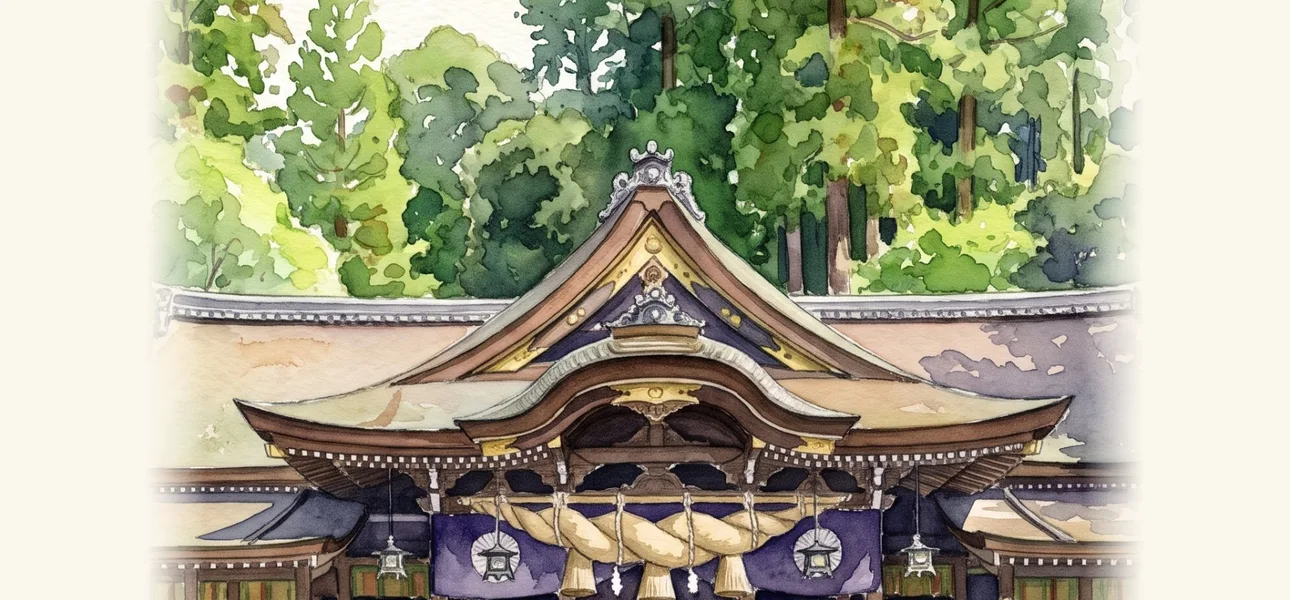
Omiwa Shrine Worship Guide
This comprehensive guide covers the history, divine blessings, Mount Miwa faith, key worship points, Sai Shrine, the Medicinal Well, sacred mountain ascent (Tohhai), recommended crystals, and surrounding attractions of Omiwa Shrine (1422 Miwa, Sakurai City, Nara Prefecture). It's an essential resource for visiting a sacred site that continues to preserve one of Japan's oldest forms of primitive worship.

Chubu Region Power Spot Shrines Guide
Discover the best power spot shrines in Japan's Chubu region. This guide compares the deities, blessings, highlights, access, and visiting tips for major shrines like Suwa Taisha, Togakushi Shrine (Nagano), and Fujisan Hongu Sengen Taisha (Shizuoka) all on one page. Your essential companion for a weekend trip to Nagano and Tokai's renowned shrines.
Kansai Power Spot Shrines Guide
Discover the best power spot shrines in Kansai and Kinki regions. This guide compares seven prominent shrines: Ise Grand Shrine (Mie), Kasuga Taisha, Omiwa Shrine, Tamaki Shrine (Nara), Kurama-dera (Kyoto), Kumano Hongu Taisha (Wakayama), and Enryaku-ji on Mount Hiei (Shiga), detailing their enshrined deities, benefits, highlights, and access.
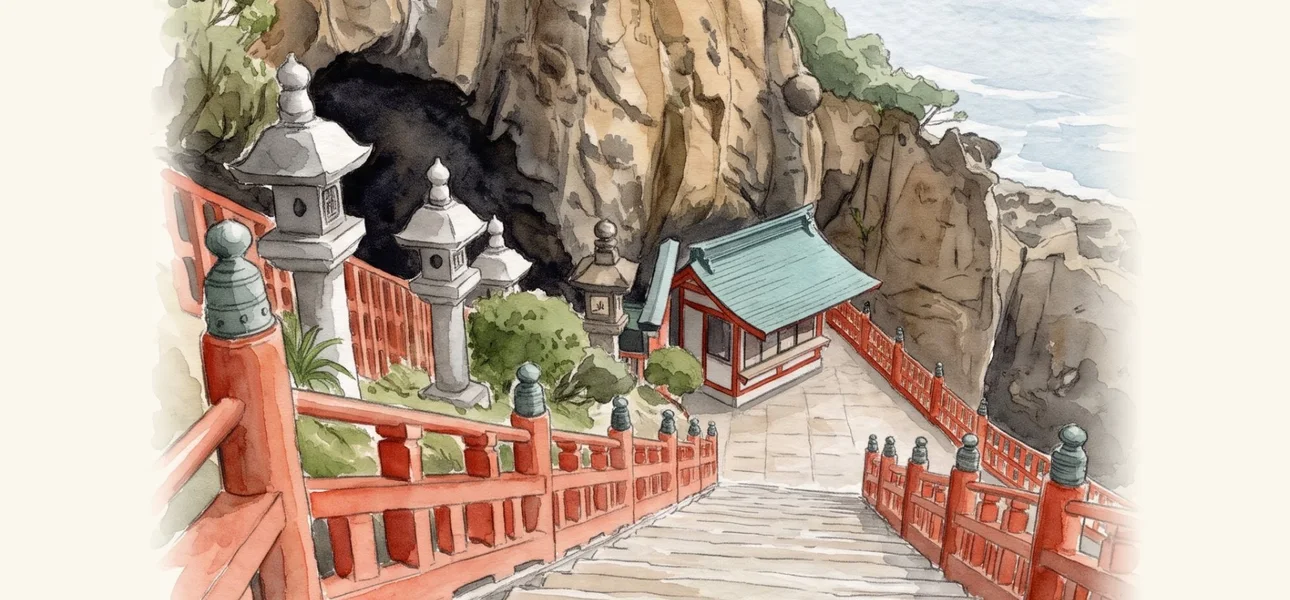
Udo Shrine Guide (Miyazaki): The Cave Shrine, Luck-Ball Throwing, Love & Safe Childbirth, Route & Timing
A visitor's guide to Udo Jingu in Nichinan, Miyazaki: a route through the gate, tower gate, Tama Bridge and the cave main hall, how luck-ball throwing works, why it is known for relationships and safe childbirth, how long to allow, parking and access.