
Meiji Jingu Shrine Visitor's Guide
This article contains promotional content.
A comprehensive guide to Meiji Jingu Shrine (1-1 Yoyogi Kamizono-cho, Shibuya-ku, Tokyo), covering its history, blessings and benefits, key visiting points, Kiyomasa's Well, Meoto-Kusu (Married Couple Camphor Trees), New Year's visit crowd information, recommended crystals, and nearby spots. This is your definitive guide to fully experience the sacred forest just a minute's walk from Harajuku Station.
Table of Contents (Tap to toggle)
Introduction
Meiji Jingu Shrine, located right next to Harajuku in Tokyo, is the capital's largest power spot, boasting approximately 700,000 square meters of sacred forest. The about 100,000 trees planted at its creation in 1920 (Taisho 9) have, despite being an artificial forest, formed a deep, primeval-like green over 100 years. It ranks among Japan's top shrines for New Year's visitors (over 3 million annually) and is a symbol of Tokyo, visited by musicians and heads of state from around the world. This article brings together its history, key visiting points, FAQs, and an editor's note all on one page.
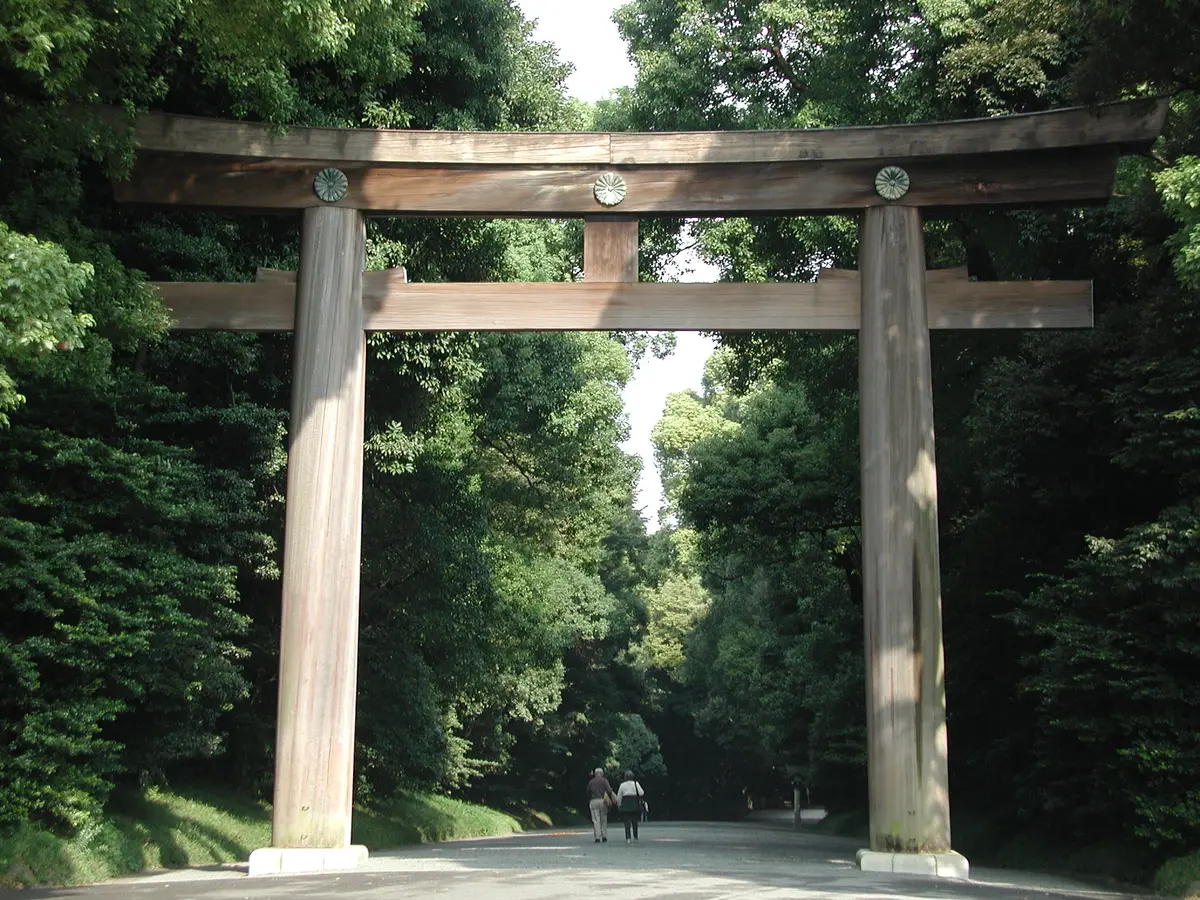
Table of Contents
- Basic Information and Shrine Data
- History and Origins
- Blessings and Benefits
- Highlights and Must-Sees
- Key Visiting Points
- Recommended Crystals
- Nearby Spots to Visit
- Best Time to Visit
- Basic Etiquette for Shrine Visits
- Frequently Asked Questions (FAQ)
- Editor's Note
- Related Articles You Might Like
Basic Information and Shrine Data
| Item | Content |
|---|---|
| Official Name | Meiji Jingu Shrine |
| Location | 1-1 Yoyogi Kamizono-cho, Shibuya-ku, Tokyo |
| Enshrined Deities | Emperor Meiji and Empress Shoken |
| Founded | 1920 (Taisho 9) |
| Divine Blessings | Family safety and prosperity, Marital harmony, Good relationships and matchmaking, Ward off evil, Fulfillment of wishes |
| Grounds Area | Approx. 700,000 square meters |
| Trees | Approx. 100,000 (donated from all over Japan) |
| Official Website | https://www.meijijingu.or.jp |
History and Origins
After the demise of Emperor Meiji and Empress Shoken, Meiji Jingu Shrine was founded on November 1, 1920 (Taisho 9) to enshrine their divine spirits. The sacred forest was conceived as an "eternal forest" through a grand afforestation plan designed by forest scientists such as Seiroku Honda and Takanori Hongo. Approximately 100,000 trees were donated from across the nation and planted using methods that replicate natural forests, which were highly regarded. Although originally estimated to take 150 years to complete, the current forest is already considered to be in a "self-regenerating primeval-like state".
The shrine buildings were destroyed during air raids in World War II but were rebuilt in 1958 with donations from the public after the war. It also served as an important stage for the Reiwa enthronement ceremonies.
Source: Meiji Jingu Shrine official documents, Forestry Agency vegetation research materials.
Blessings and Benefits
- Family Safety and Prosperity
- Marital Harmony
- Good Relationships and Matchmaking
- Ward off Evil and Misfortune
- Fulfillment of Wishes
- Academic Success and Exam Achievement
Emperor Meiji and Empress Shoken are regarded as an ideal example of a married couple, and the shrine is widely known for blessings related to marital harmony and good relationships.
Highlights and Must-Sees
- Grand Torii Gate of the South Approach (12m tall, one of Japan's largest wooden Myojin Torii gates)
- Meoto-Kusu (Married Couple Camphor Trees) — sacred trees, symbols of matchmaking and marital harmony
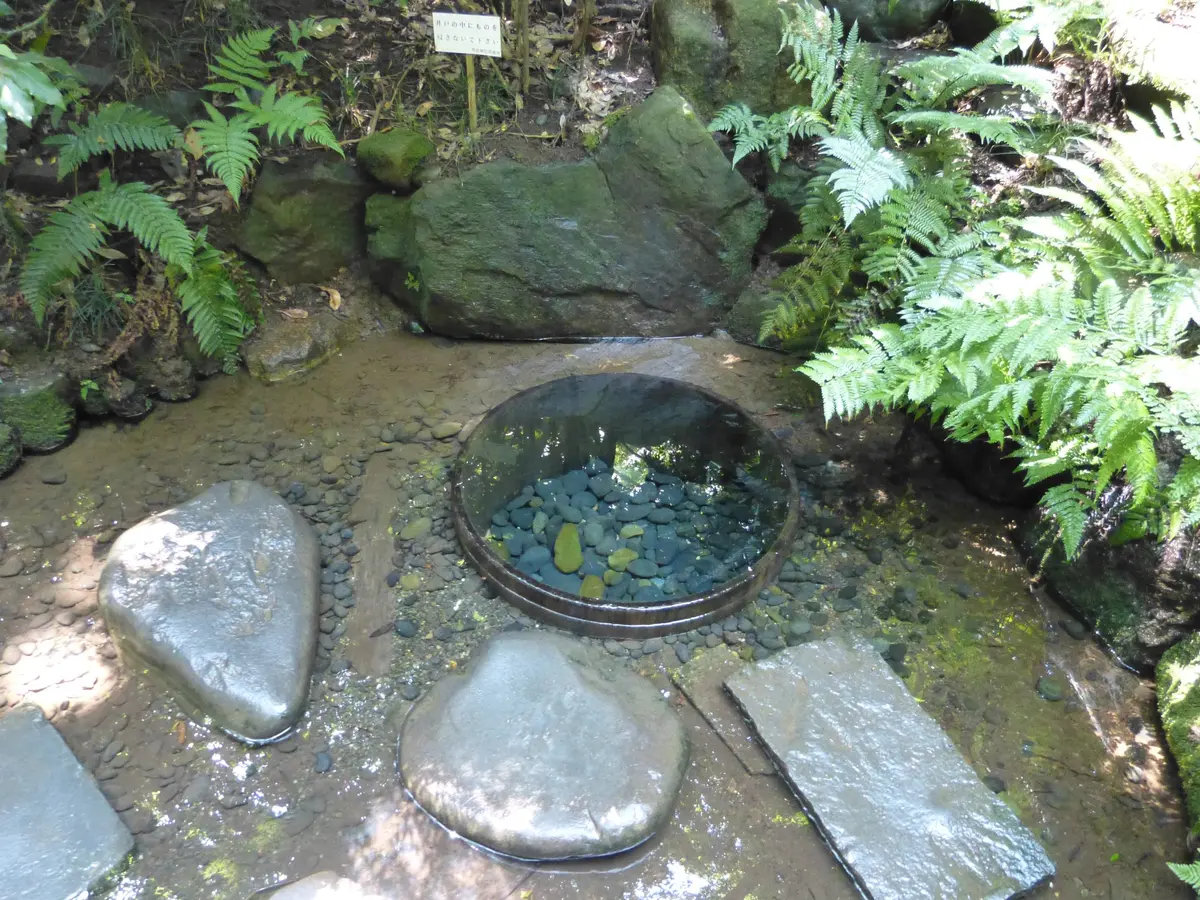
- Kiyomasa's Well (Kiyomasa-no-Ido) — a famous power spot in Tokyo, said to have been dug by Kato Kiyomasa
- Treasure Museum — featuring Emperor Meiji's imperial carriage and other artifacts
- Meiji Jingu Gyoen Garden — including Kakun-tei Teahouse, South Pond, and an Iris Garden
- Martial Arts Dojo (Shiseikan)
Key Visiting Points
- The center of the path is for the deities, so walk along the sides.
- Visit Kiyomasa's Well early in the morning when the air is clear, and photos turn out beautifully.
- At the Meoto-Kusu (Married Couple Camphor Trees), it's believed that couples or partners praying side-by-side will be blessed with good relationships.
- For Hatsumode (New Year's visit), early morning to late morning on New Year's Day sees the peak crowds, and the first three days are crowded all day.
- Exorcism (Oharai) and prayers to ward off evil (Yakuyoke Kito) are accepted at the shrine office at any time.
Recommended Crystals
Here are some stones believed to resonate well with the sacred energy of Meiji Jingu Shrine when you bring them for your visit.
| Stone | Reason for Compatibility |
|---|---|
| Crystal (Quartz) | Resonates with the purifying energy of the vast forest |
| Rose Quartz | For prayers related to matchmaking and good relationships at Meoto-Kusu |
| Amethyst | Helps to calm the mind from the hustle and bustle of the city |
| Moonstone | For prayers regarding marital harmony and feminine energy |
Nearby Spots to Visit
- Yoyogi Park — a continuation of the forest, perfect for a stroll
- Harajuku and Omotesando — great for a walk before and after your shrine visit
- Togo Shrine — a shrine for success in competitions and victory, a 5-minute walk from Harajuku Station
- Japan National Stadium — located in the Jingu Gaien area
Best Time to Visit
- Weekday mornings, 6-8 AM — no crowds, clear air
- Season of fresh greenery (May) — when the forest is most vibrant
- Iris blooming season (June) — the iris garden in the Gyoen is stunning
- Hatsumode (New Year's visit) — possible from midnight on New Year's Day (be prepared for crowds)
Basic Etiquette for Shrine Visits
- Bow once before passing through the torii gate or main gate.
- The center of the path is for the deities, so walk along the sides.
- At the Chozuya (purification fountain), purify your left hand, then your right hand, rinse your mouth, then your left hand again, and finally rinse the ladle.
- Two bows, two claps, one bow.
- Keep personal wishes modest, focusing primarily on gratitude.
Frequently Asked Questions (FAQ)
Q1. Is Kiyomasa's Well truly famous as a power spot?
A. It's a spring believed to have been dug by Kato Kiyomasa, and one of Tokyo's most pristine waters. A rumor once spread that setting it as your phone's wallpaper would improve your luck. An admission fee of 500 yen for the Meiji Jingu Gyoen Garden is required.
Q2. When is Hatsumode (New Year's visit) less crowded?
A. It's relatively less crowded on New Year's Day between 3 PM and 4 PM, or from January 4th onwards. Waiting 3 to 4 hours is not uncommon from midnight on New Year's Eve until morning.
Q3. Where are the Meoto-Kusu (Married Couple Camphor Trees) located?
A. The Meoto-Kusu, or sacred Married Couple Camphor Trees, are the two camphor trees located to the left, just before the main shrine building. Their appearance, bound together by a shimenawa rope, symbolizes matchmaking and marital harmony.
Q4. Are weddings and Shichi-Go-San ceremonies possible here?
A. Yes, various Shinto rituals are performed, including Shinto-style weddings, Omiyamairi (baby's first shrine visit), Shichi-Go-San (children's festival), Jichinsai (groundbreaking ceremonies), and Yakuyoke Kito (prayers to ward off evil). Reservations are required in advance (please inquire at the shrine office).
Q5. Is there parking nearby?
A. There is a paid parking lot at the North Approach entrance. However, the surrounding roads get extremely crowded on weekends and and public holidays, so using public transportation is highly recommended.
Editor's Note
For us, Meiji Jingu Shrine is a "deep breathing spot in the heart of the city." Stepping through the torii gate from the hustle and bustle of Harajuku, you can feel the air change. The fact that silence is maintained despite the large number of visitors is due to the immense scale of the forest, a testament to the ingenious design of this artificial primeval forest cultivated over 100 years. It's a rare power spot that can be used in daily life — like taking a one-hour walk on a tired weekday afternoon during the season of fresh greenery.
Editorial Team's Perspective: Don't Underestimate a Shrine in the Heart of the City
We sometimes hear people dismiss Meiji Jingu Shrine as "just another urban shrine that's become a tourist spot." However, our editorial team's conclusion is distinctly the opposite. We believe that "the very fact that such a sacred precinct has been maintained in the absolute heart of the city is a miracle."
The 700,000 square meter forest maintains a tranquility that seems unbelievable for a location just a one-minute walk from Harajuku Station. This is due to the meticulous afforestation plan from 100 years ago, and the history of the Japanese people rebuilding the shrine buildings with donations after their destruction in wartime air raids. Understanding the background that this is a "sacred site that city dwellers have continuously protected in the heart of the city" transforms the meaning of your visit.
Misguided Ways to Visit
- Visiting only once a year for Hatsumode (New Year's visit) (missing out on the forest's four seasons)
- Following the tourist crowd and only visiting the main hall (missing Kiyomasa's Well, Meoto-Kusu, and the Gyoen Garden)
- Imagining the prime weekday early morning hours as an "extension of the crowded Hatsumode period"
Recommended Ways to Incorporate into Daily Life
| Scenario | How to Use It |
|---|---|
| Tired weekday afternoon after work | Take a one-hour "urban forest bath" by walking the approach |
| Day before a big decision | Clear your head with an early morning visit at 6 AM |
| Changing seasons | Experience the four seasons in the forest of fresh greenery, autumn leaves, or first snow |
| Couple or marital milestone | Stand side-by-side in front of Meoto-Kusu and perform two bows, two claps, one bow |
| Celebrating a child's growth | Reserve Omiyamairi or Shichi-Go-San at the shrine office |
Common Misconceptions
- ❌ "Because it's an artificial forest, its natural energy is weak" → ✅ This is a rare forest that has reached a self-regenerating primeval state over 100 years. Its energy is on par with a wild forest.
- ❌ "It's too famous, so its blessings are diluted" → ✅ The large number of visitors does not diminish the sacredness of the site. How you approach it yourself is what truly matters.
- ❌ "Setting Kiyomasa's Well as your phone wallpaper will improve your luck" → ✅ This is largely an urban legend. There's more meaning in seeing the spring with your own eyes at the actual location.
A Word from Sun-chan☀️
Meiji Jingu Shrine, I call it "Tokyo's deep breathing spot."
The moment you step through the torii gate from the hustle and bustle of Harajuku, the density of the air changes. Put your phone in your pocket, free your hands, and just try walking slowly💛
On your way back, the moment you return to the streets of Harajuku — if you feel like "I might be a little different from who I was just a moment ago," then that's the true essence of Meiji Jingu Shrine, you know🌼
Related Articles You Might Like
- Ise Jingu Shrine Visitor's Guide — Japan's Grand Ancestral Shrine
- Izumo Taisha Grand Shrine Visitor's Guide — The Home of Matchmaking
- Meaning and Effects of Rose Quartz — A Charm for Love and Relationships
- Meaning and Effects of Moonstone — The Stone for Marital Harmony
- Comprehensive Guide to Crystals by Purpose — Featured in the Chapter on Matchmaking and Love Luck
Summary
- Meiji Jingu Shrine is Tokyo's largest power spot, visited by over 10 million people annually.
- Its 700,000 m² forest with approximately 100,000 trees is an artificial primeval forest cultivated over 100 years.
- Blessings include family safety and prosperity, marital harmony, good relationships and matchmaking, warding off evil, and fulfillment of wishes.
- Kiyomasa's Well and Meoto-Kusu are among Tokyo's top power spots for matchmaking.
- If you visit, weekday mornings between 6 and 8 AM are particularly special.
When you feel stuck in your daily life, or stand at a turning point, the serene atmosphere of Meiji Jingu Shrine will gently give you a push.
Tags
この記事をシェアする
この記事が役に立ったら、SNSでシェアしていただけるととても嬉しいです☀️

Thanks so much for reading! I hope this article brought a little sunshine to your day! See you again soon!
Plan Your VisitAd
This section contains affiliate links. See our disclosure.
Plan your trip
Please check the details before booking.
This section contains affiliate links.
You might also like
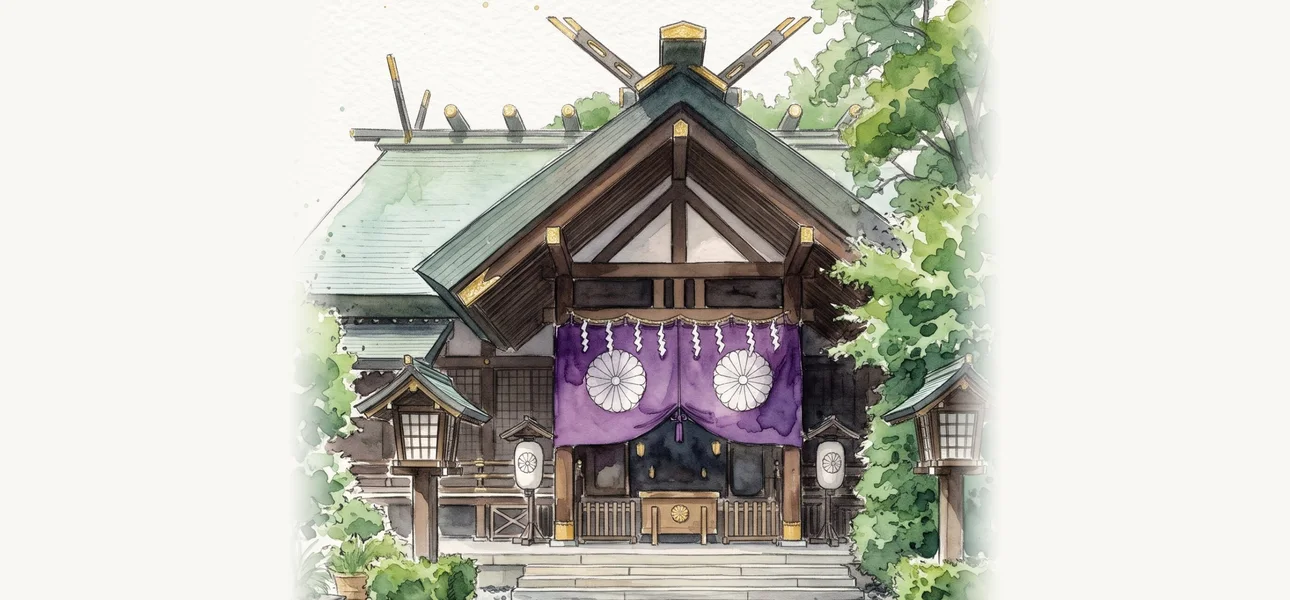
Tokyo Daijingu Shrine Guide: Tokyo's Ise Shrine for Love and Matchmaking
A visitor's guide to Tokyo Daijingu in Iidabashi, Tokyo: its history, deities, why it is known as the first shrine in Japan to hold a Shinto wedding, matchmaking charms and fortunes, tips for avoiding crowds, and access.
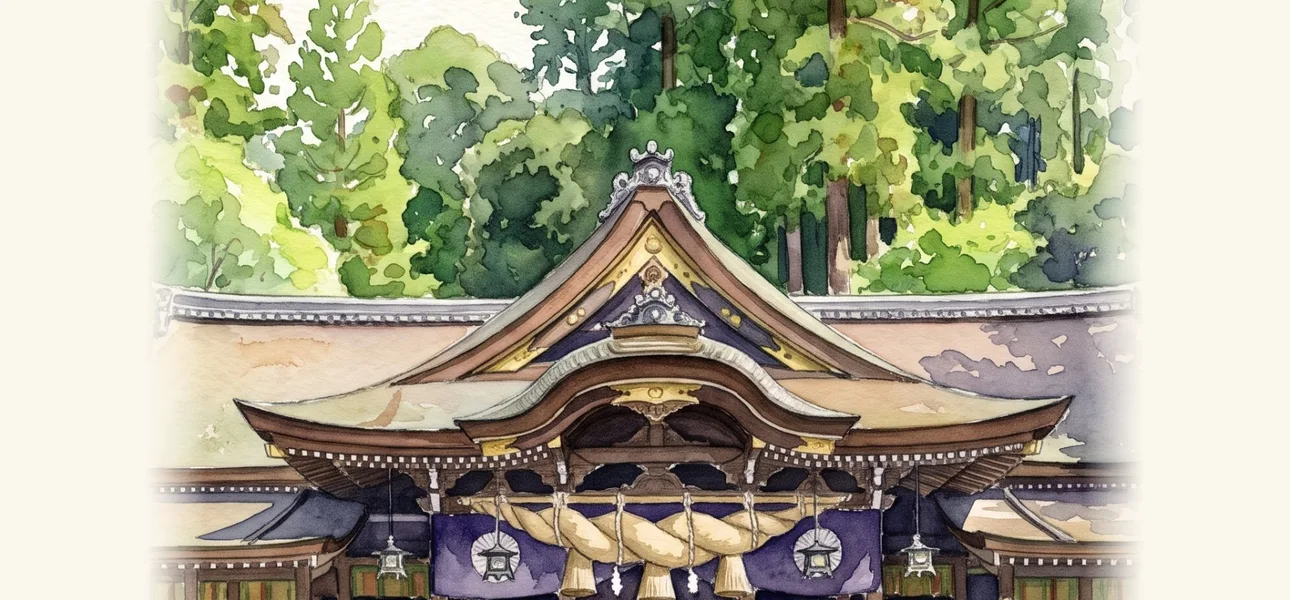
Omiwa Shrine Worship Guide
This comprehensive guide covers the history, divine blessings, Mount Miwa faith, key worship points, Sai Shrine, the Medicinal Well, sacred mountain ascent (Tohhai), recommended crystals, and surrounding attractions of Omiwa Shrine (1422 Miwa, Sakurai City, Nara Prefecture). It's an essential resource for visiting a sacred site that continues to preserve one of Japan's oldest forms of primitive worship.

Kanto's Power Spot Shrines
Discover carefully selected power spot shrines in the Kanto region. This guide compares the enshrined deities, benefits, highlights, access, and visiting tips for major shrines like Meiji Jingu (Tokyo), Enoshima Shrine (Kanagawa), and Mitsumine Shrine (Saitama) all on one page. Your essential guide for day trips and weekend tours of Kanto's renowned shrines.
Aso Shrine Visitor's Guide
A comprehensive guide to Aso Shrine (Aso City, Kumamoto Prefecture), covering its history, the deity Takeiwatatsu no Mikoto and the Aso Twelve Gods, its status as one of Japan's Three Great Romon Gates, its restoration after the 2016 Kumamoto Earthquake, the matchmaking Takasago Pine, access information, recommended crystals, nearby attractions, and a frequently asked questions section.