
Samuhara Shrine (Osaka): History, Protective Charm Rings and the Okayama Inner Shrine
A friendly guide to Samuhara Shrine in Itachibori, Osaka: the three creator deities worshipped as Samuhara Okami, the shrine's history, its protective charm rings, how to reach the Inner Shrine in Okayama, and what to know before visiting.
Table of Contents (Tap to toggle)
Hello, this is Sun-chan from Lucky Sun Shine ☀️
In the middle of Osaka's Itachibori district stands Samuhara Shrine, known as a shrine of a deity of protection and for its charm rings inscribed with distinctive characters. This guide covers its background and what to know before you visit.
What is Samuhara Shrine?
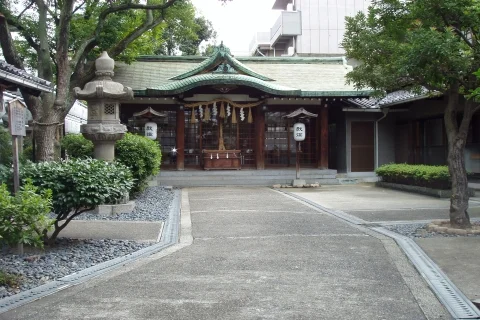
The shrine is in Nishi Ward, Osaka. Its roots lie in the Inner Shrine (Oku-no-miya) in Kamo, Tsuyama City, Okayama Prefecture. Together, the Osaka shrine and the Okayama Inner Shrine are known as Samuhara Shrine.
- Address: 2-5-6 Itachibori, Nishi-ku, Osaka 550-0012
- Phone: +81-6-6538-2251 (check hours and offerings on the official website or by phone)
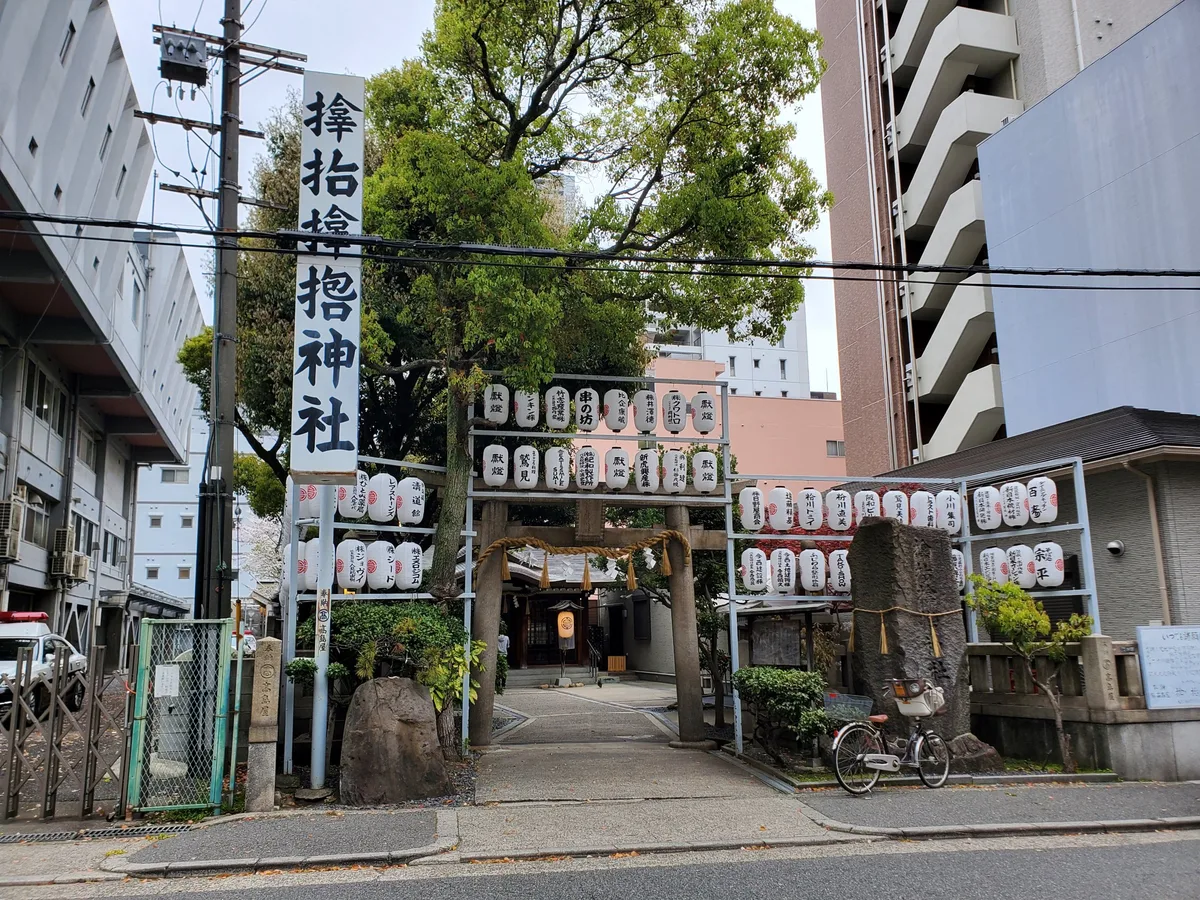
The deity: Samuhara Okami
Samuhara Shrine enshrines the three creator deities: Ame-no-Minakanushi, Takamimusubi and Kamimusubi. Together they are called "Samuhara Okami." The blessings said to be associated with them include protection, health, longevity and family prosperity.
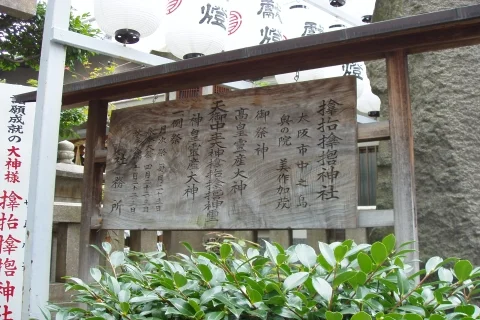
History
According to the shrine's official website:
- It carries on the tradition of an old shrine in Okayama.
- The first chief priest, Tanaka Tomisaburo, believed he had returned safely from the Sino-Japanese and Russo-Japanese wars and from a shipwreck thanks to the Samuhara talisman.
- In 1935 he rebuilt the neglected old shrine.
- In 1950 it became a branch of Toyokuni Shrine in Osaka.
- In 1961 it moved to its present location in Itachibori, Osaka.
- In 2005 the Okayama Inner Shrine, damaged by a typhoon, was moved to its present site.
The shrine is also described as having been used as a talisman against arrows and bullets in the Edo period, and as a charm for soldiers' good fortune in wartime.
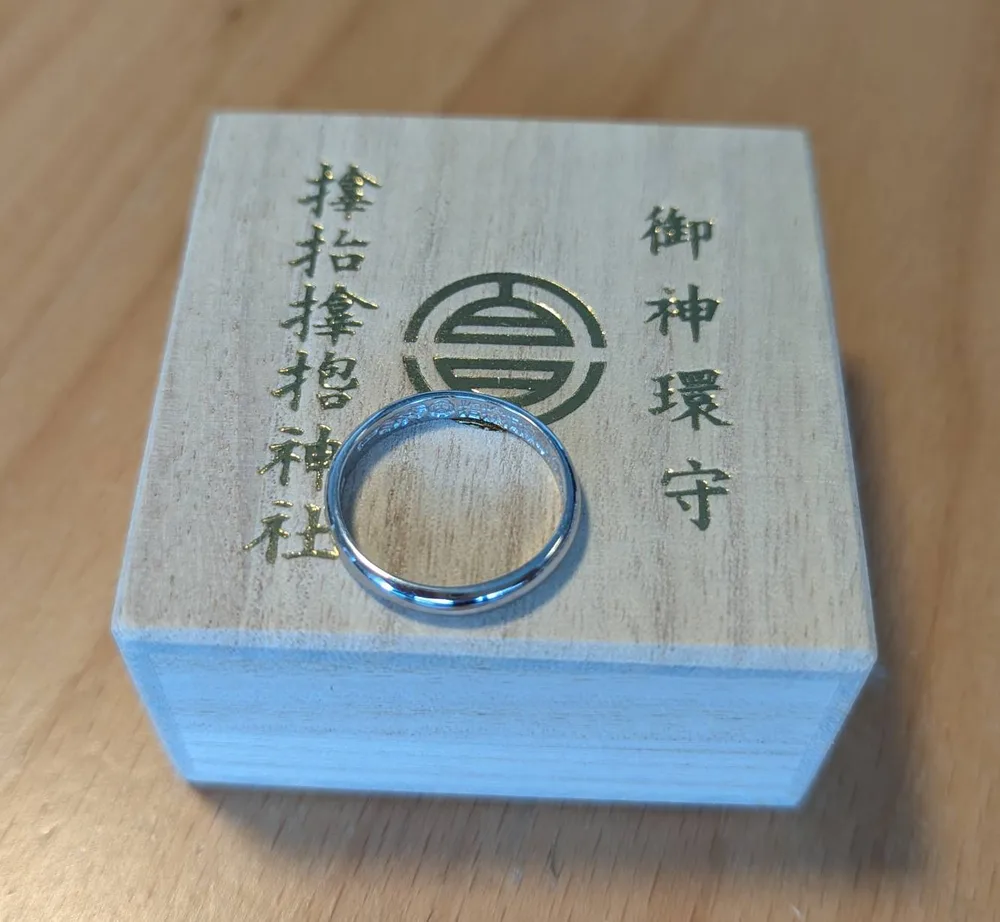
Charm rings and omamori
The protective charm ring inscribed with the Samuhara characters is widely known. These charms are not given out at the Okayama Inner Shrine and are said to be available only at the Osaka shrine. Procedures and quantities can change, so check the official website before you go.
For choosing and displaying omamori in general, see our omamori guide.
Before you visit
- Follow the rules posted on site.
- For basic etiquette, see our shrine visit basics.
- If you enshrine talismans at home, see our kamidana guide.
The Inner Shrine in Okayama (Kamo, Tsuyama)
The Inner Shrine is in Nakahara, Kamo-cho, Tsuyama City, Okayama.
- By train: about 35 minutes on foot from Mimasaka-Kamo Station on the JR Inbi Line. Trains are infrequent, so check the timetable in advance.
- By car: about 35 minutes from Tsuyama IC on the Chugoku Expressway. Parking is available.
- There are many stone steps, so wear comfortable shoes.
- Part of the stairs leading to the original shrine is damaged and generally closed to visitors.
- It is said to be good to also visit the neighboring Kotohira Shrine.
Hours may change, so check with the Tsuyama tourist association before going.
Summary
- Samuhara Shrine worships the three creator deities as "Samuhara Okami" and is known as a shrine of protection.
- There is a shrine in Osaka and its roots, the Inner Shrine in Okayama.
- The charm ring is said to be given out at the Osaka shrine.
- Check hours and conditions on the official website before visiting.
Sources: Samuhara Shrine official website, Okayama Kanko Web (Inner Shrine)
May your days shine as bright as the sun ☀️
Tags
この記事をシェアする
この記事が役に立ったら、SNSでシェアしていただけるととても嬉しいです☀️

Thanks so much for reading! I hope this article brought a little sunshine to your day! See you again soon!
Plan your trip
Please check the details before booking.
This section contains affiliate links.
You might also like

Omiwa Shrine Worship Guide
This comprehensive guide covers the history, divine blessings, Mount Miwa faith, key worship points, Sai Shrine, the Medicinal Well, sacred mountain ascent (Tohhai), recommended crystals, and surrounding attractions of Omiwa Shrine (1422 Miwa, Sakurai City, Nara Prefecture). It's an essential resource for visiting a sacred site that continues to preserve one of Japan's oldest forms of primitive worship.

Ise Grand Shrine Pilgrimage Guide
This comprehensive guide covers the history, blessings, official pilgrimage order (Geku to Naiku), nearby power spots, model itineraries, etiquette, and recommended crystals for Ise Grand Shrine, revered as 'Japan's Chief Guardian Deity.' It's an easy-to-understand, essential guide for first-time visitors.
8 More Temple-Gate Sweets to Eat After Your Prayer (Part 2): A Guide to Japan's Shrine and Temple Treats
Hato sablé at Tsurugaoka Hachimangu, ningyo-yaki at Senso-ji, tengu-yaki on Mount Takao, mitarashi dango at Shimogamo, kiyome mochi at Atsuta Jingu, itokiri mochi at Taga Taisha, kibi dango at Kibitsu Shrine and kyu-man at Kotohira-gu. Stories, wishes and flavors for each.

5 Shrine Sweets to Enjoy After Your Prayer: A Guide to Japan's Temple-Gate Treats
Pair five famous shrines with the sweet to eat after you pray: umegae mochi at Dazaifu Tenmangu, aburi mochi at Imamiya Shrine, akafuku at Ise Grand Shrine, momiji manju on Miyajima and zenzai at Izumo Taisha. Stories, flavors and tips for each.