
5 Shrine Sweets to Enjoy After Your Prayer: A Guide to Japan's Temple-Gate Treats
Pair five famous shrines with the sweet to eat after you pray: umegae mochi at Dazaifu Tenmangu, aburi mochi at Imamiya Shrine, akafuku at Ise Grand Shrine, momiji manju on Miyajima and zenzai at Izumo Taisha. Stories, flavors and tips for each.
Table of Contents (Tap to toggle)
Introduction
Walk up to almost any famous shrine in Japan and you will find a sweet waiting along the approach road. These monzen-gashi ("sweets at the temple gate") are not random souvenirs. Many carry a story tied to the deity, the legend, or the wish people bring to that very place.
This guide pairs five shrines with the sweet to eat after your prayer. Think of it as a small ritual: make your wish first, then enjoy a treat that has been part of that pilgrimage for generations.
Table of Contents
- The 5 Sweets at a Glance
- 1. Umegae Mochi (Dazaifu Tenmangu)
- 2. Aburi Mochi (Imamiya Shrine, Kyoto)
- 3. Akafuku (Ise Grand Shrine)
- 4. Momiji Manju (Itsukushima Shrine, Miyajima)
- 5. Izumo Zenzai (Izumo Taisha)
- Tips for Pairing Prayer and Sweets
- Frequently Asked Questions (FAQ)
- Related Articles You Might Enjoy
The 5 Sweets at a Glance
| Sweet | Shrine | Wish it is paired with |
|---|---|---|
| Umegae Mochi | Dazaifu Tenmangu (Fukuoka) | Exam success, studies |
| Aburi Mochi | Imamiya Shrine (Kyoto) | Warding off illness and bad luck |
| Akafuku | Ise Grand Shrine (Mie) | Gratitude, everyday peace |
| Momiji Manju | Itsukushima Shrine (Hiroshima) | Love, good fortune with money |
| Izumo Zenzai | Izumo Taisha (Shimane) | Matchmaking and good connections |
The wishes above are the blessings each shrine is traditionally known for. They are a guide for pairing, not a guarantee of results.
1. Umegae Mochi (Dazaifu Tenmangu)
Dazaifu Tenmangu enshrines Sugawara no Michizane, the deity of learning. Along the approach road, stalls grill umegae mochi fresh to order.
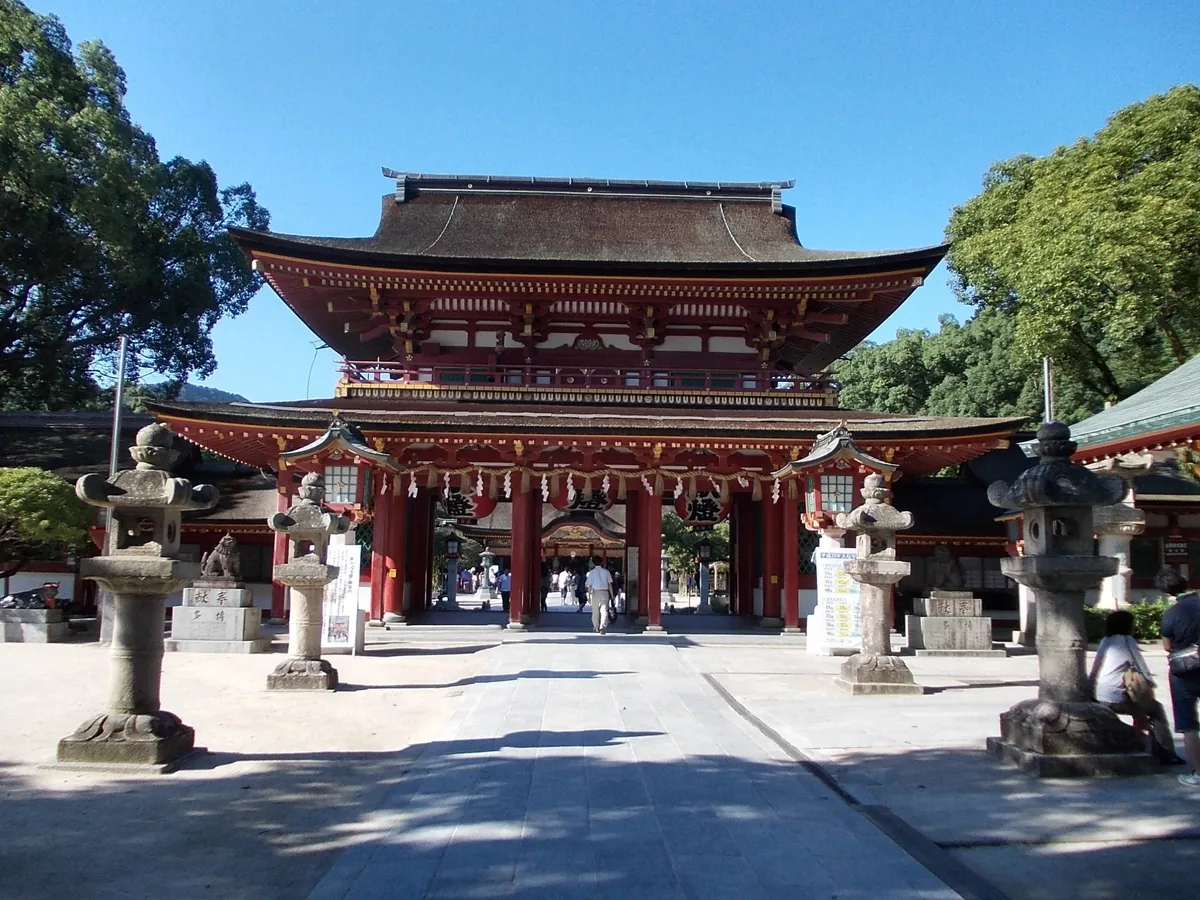
The story: According to tradition, an old woman offered a rice cake on a plum branch to Michizane after he was exiled to Dazaifu. The name "umegae" (plum branch) is said to come from that moment.
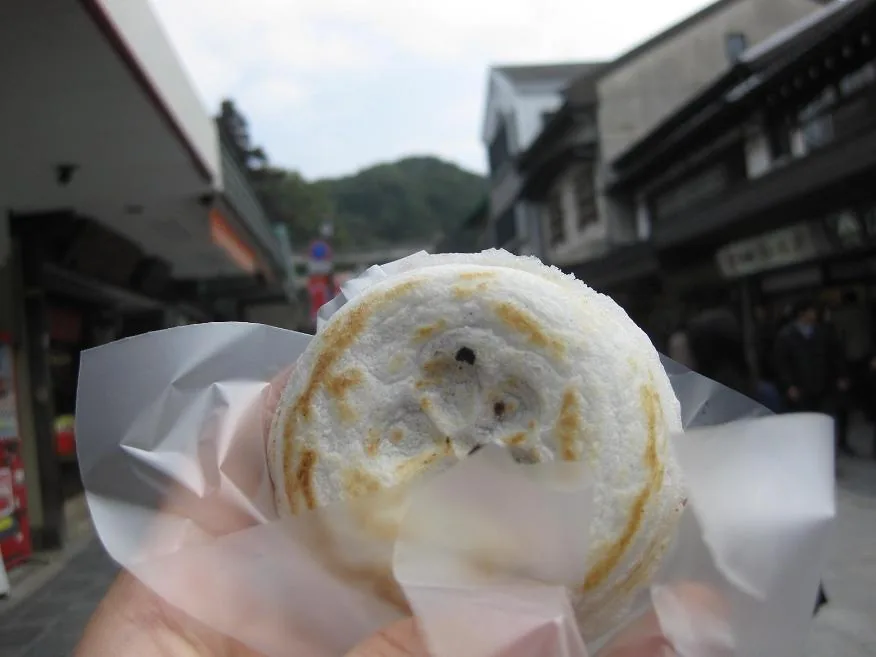
How it tastes: A thin, chewy skin wrapped around sweet red bean paste, stamped with a plum crest and grilled until fragrant. Crisp on the outside, soft inside. The classic way to eat it is hot off the grill at a shop on the approach road.
Best season: Plum blossom season (February–March) pairs beautifully with the plum trees on the grounds. Exam season brings crowds of students praying for success.
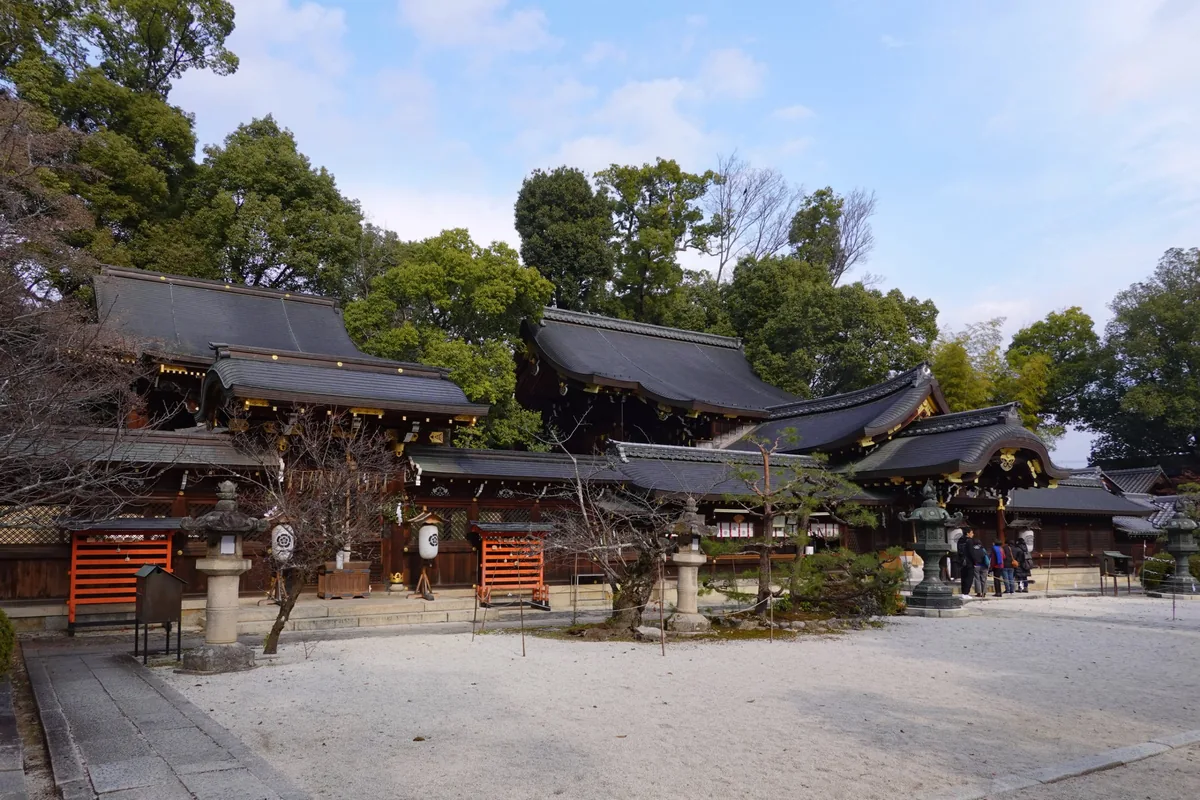
2. Aburi Mochi (Imamiya Shrine, Kyoto)
Imamiya Shrine in Kyoto's Murasakino area has long been revered as a shrine for calming epidemics and protecting health. Its famous sweet is aburi mochi.
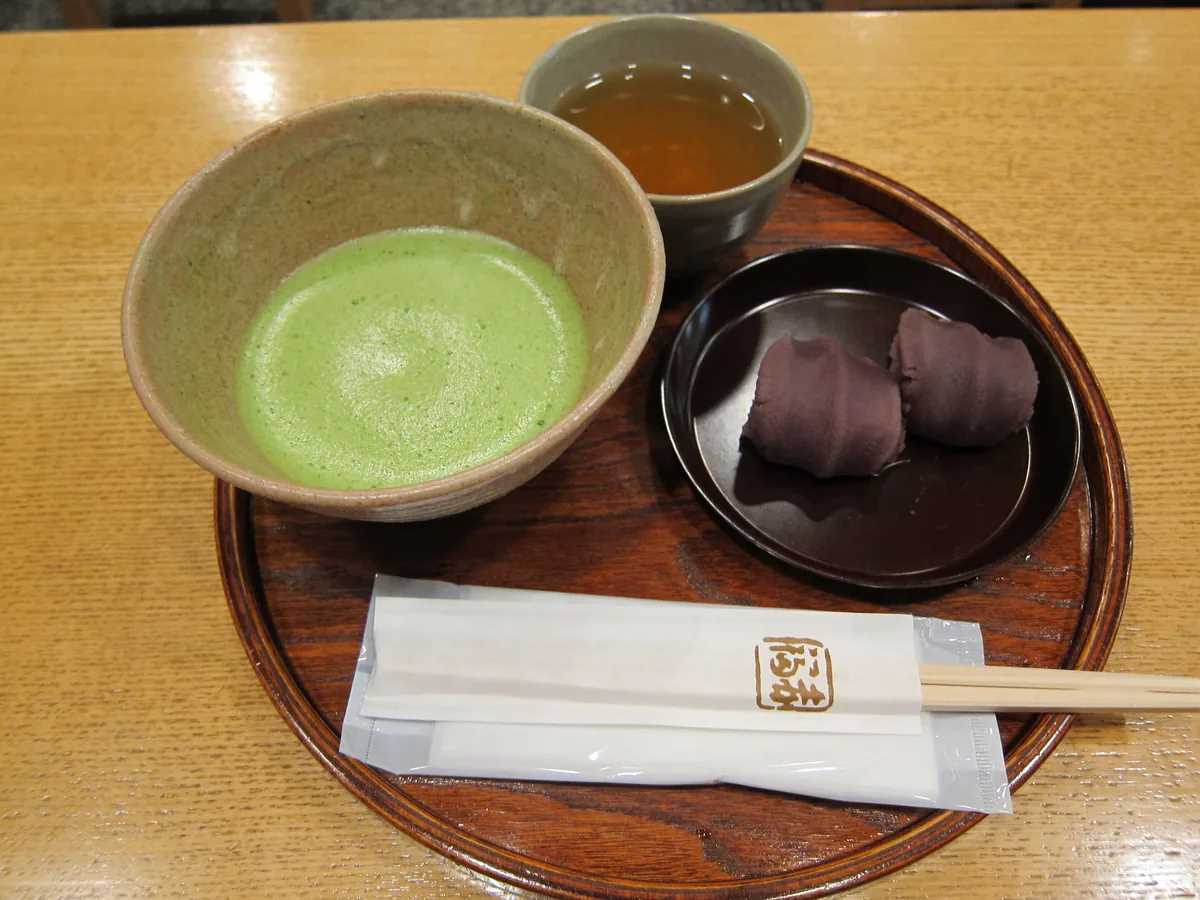
The story: Two tea houses, said to be roughly 1,000 and 400 years old, face each other on the approach and serve aburi mochi. It has been enjoyed as a good-luck charm against misfortune.
How it tastes: Small pieces of mochi on bamboo skewers are grilled over charcoal and coated in sweet white miso sauce. The smoky, chewy mochi and the gentle miso sweetness make a surprisingly addictive pair.
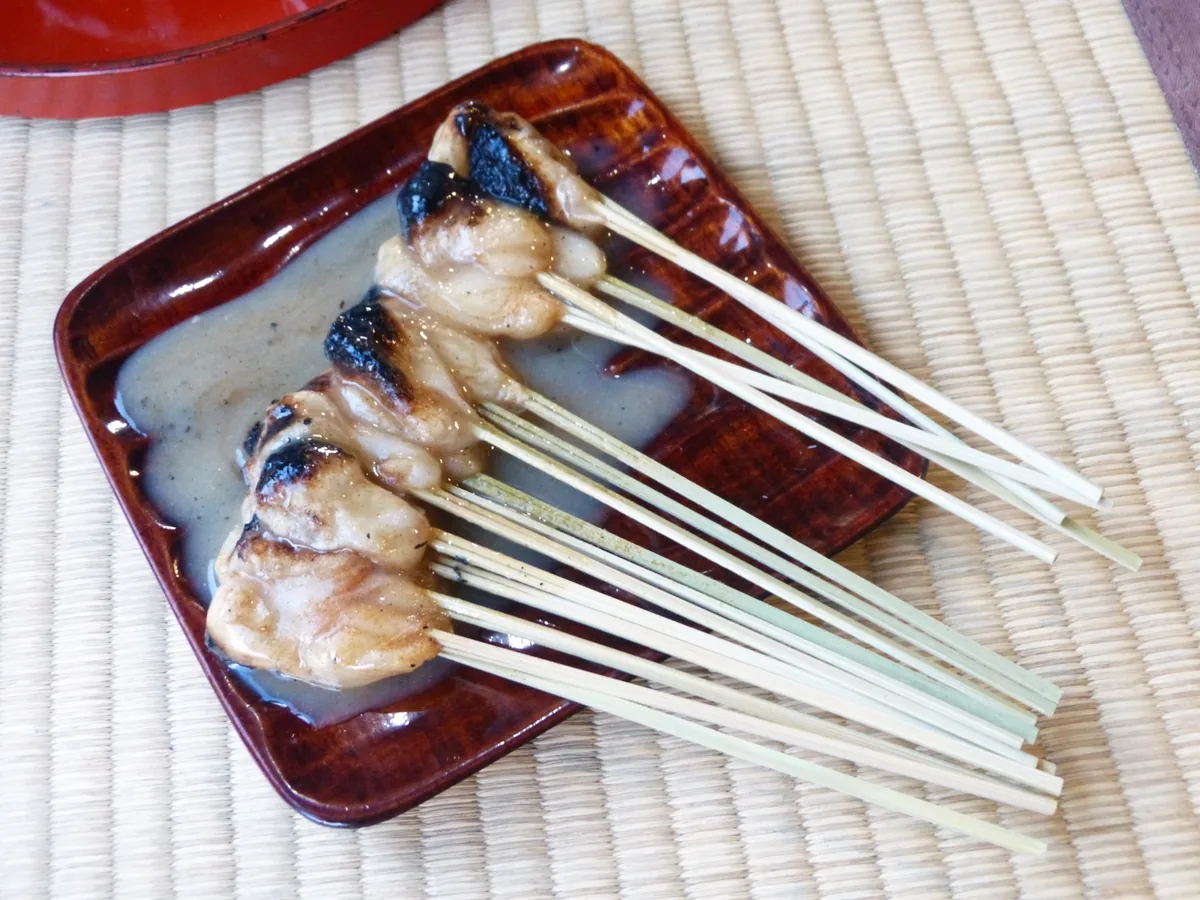
Best way to enjoy it: Sit on the bench of the tea house and eat it fresh from the grill with a cup of tea. Time slows down in the best Kyoto way.
3. Akafuku (Ise Grand Shrine)
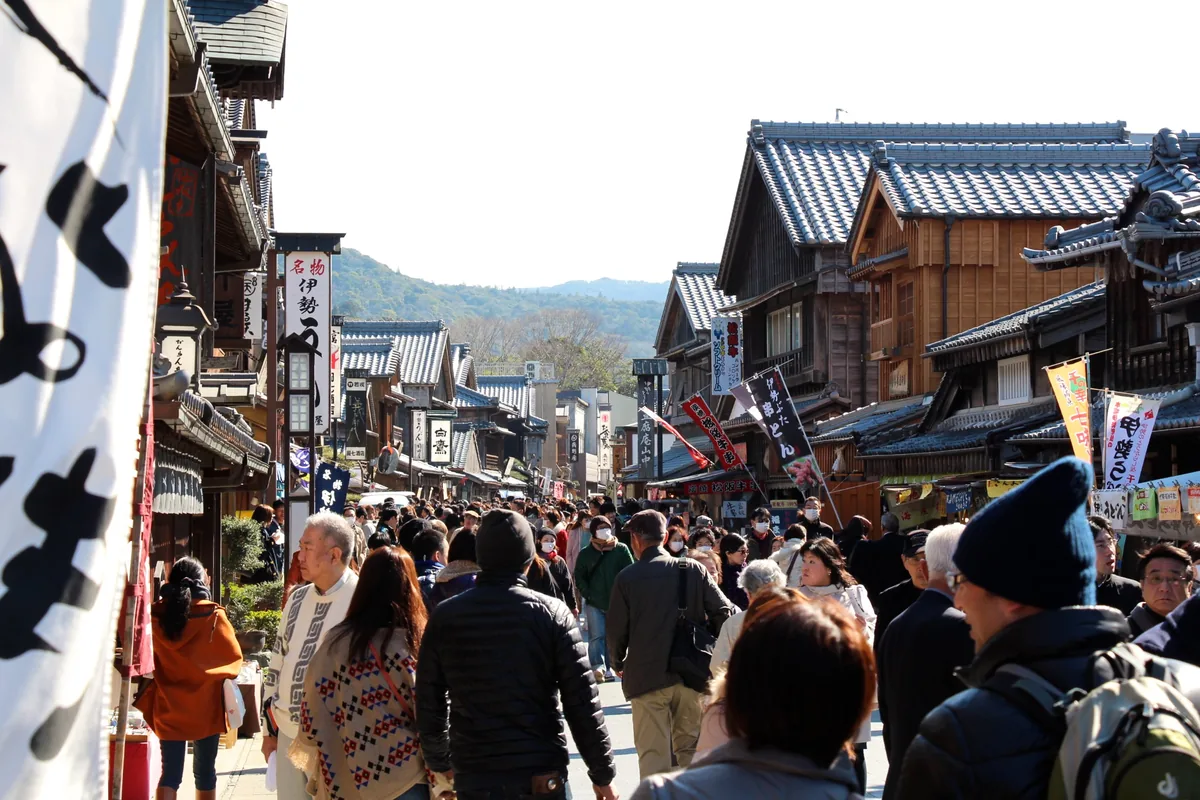
On the streets of Oharaimachi and Okage Yokocho in front of Ise Grand Shrine's Inner Shrine, akafuku is the sweet nearly every visitor tries.
The story: The shop is said to date back to 1707. The three lines in the red bean paste are said to represent the ripples of the Isuzu River, and the white mochi underneath the pebbles on the riverbed.
How it tastes: Soft mochi topped with smooth sweet red bean paste. At the main shop you can enjoy it freshly made with a cup of tea.
A special treat: On the first day of each month, a limited seasonal mochi called tsuitachi mochi is sold. Many people time their "first of the month" shrine visit to buy it, and early-morning lines are common.
4. Momiji Manju (Itsukushima Shrine, Miyajima)
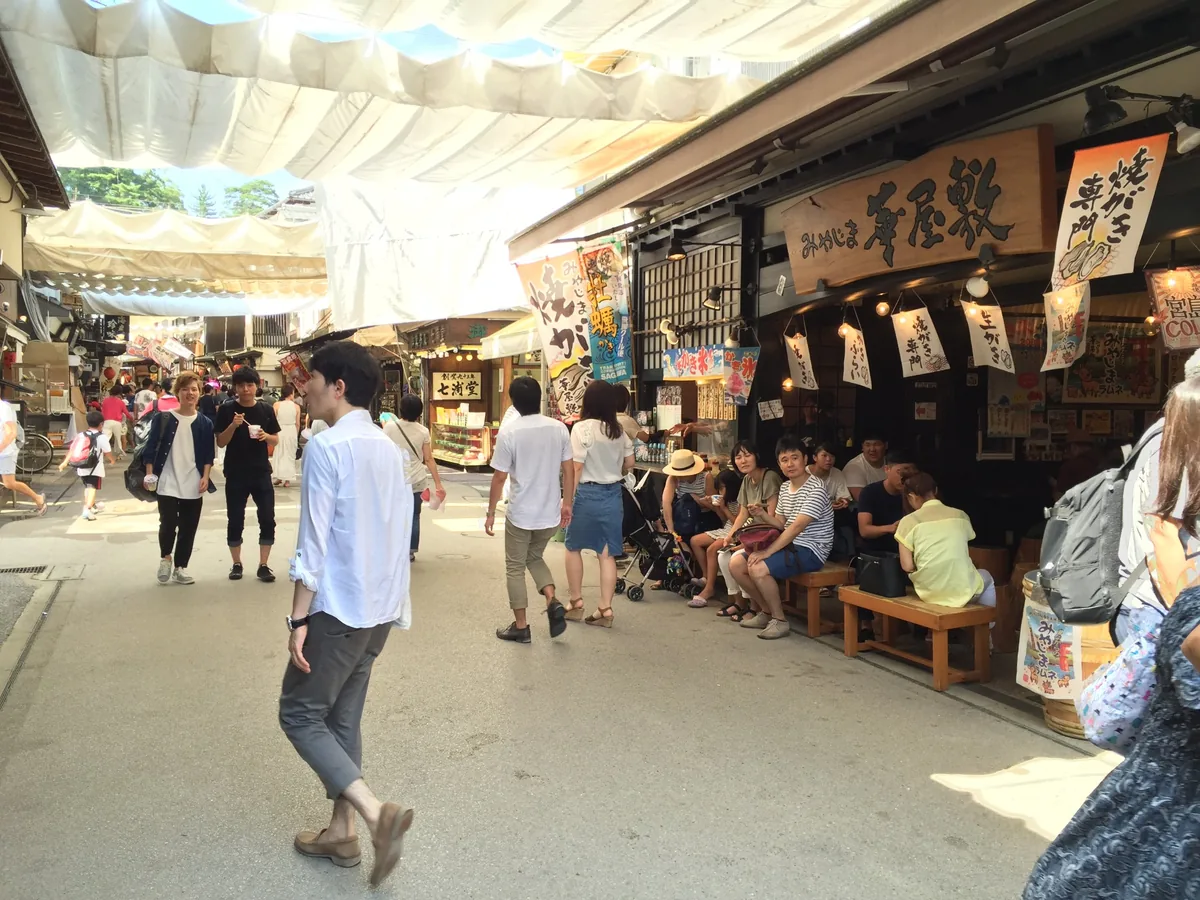
Miyajima is famous for its great torii gate standing in the sea. Walk along the Omotesando shopping street and you will find momiji manju shops everywhere.
The story: In the Meiji era, a confectioner on Miyajima is said to have created a cake baked in the shape of a maple leaf. It became the island's signature souvenir.
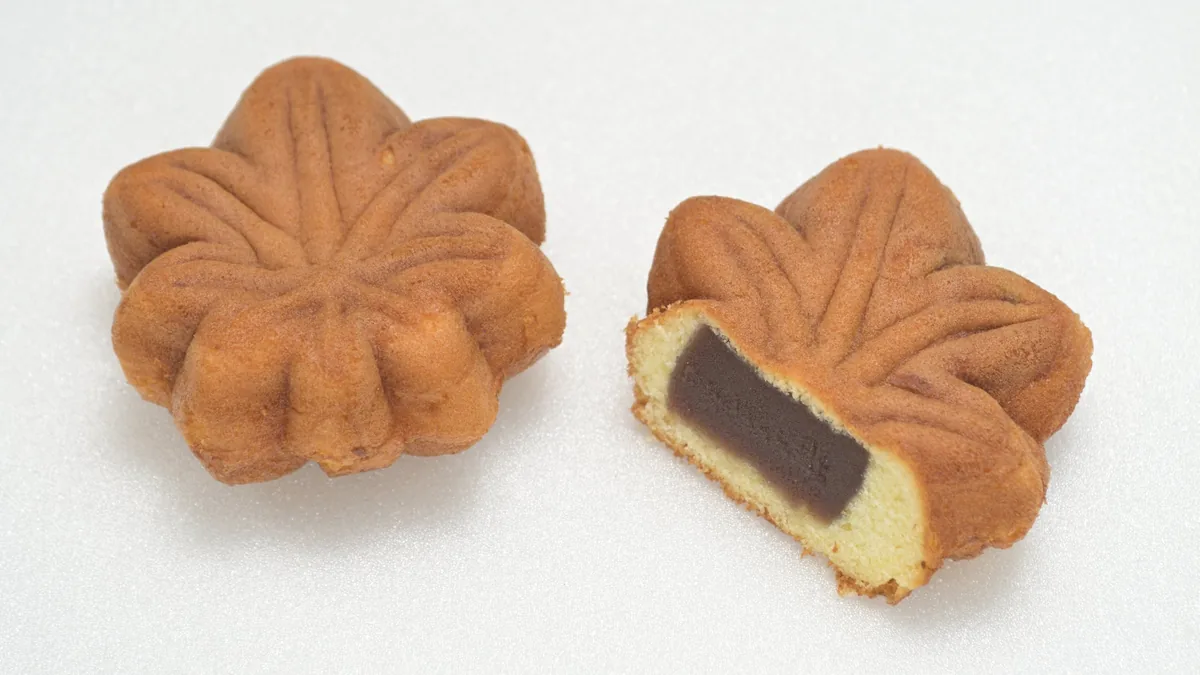
How it tastes: The classic filling is smooth red bean paste, but you will also find chunky red bean, chocolate, and custard. Age-momiji (deep-fried momiji manju) is a popular street snack.
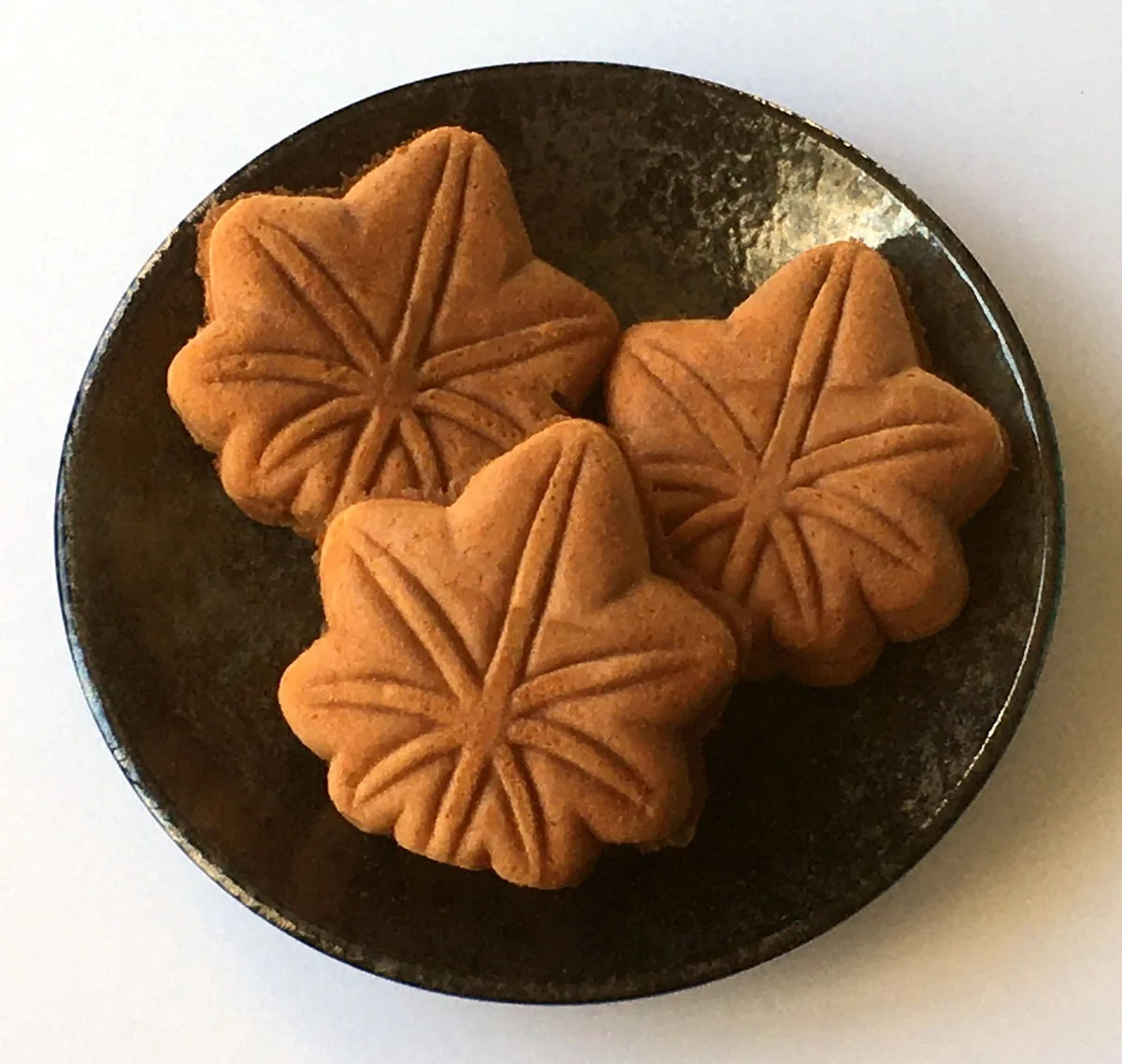
Best way to enjoy it: Take a warm one while looking at the torii gate, whose look changes with the tide. In autumn, the maple leaves match the name perfectly.
5. Izumo Zenzai (Izumo Taisha)
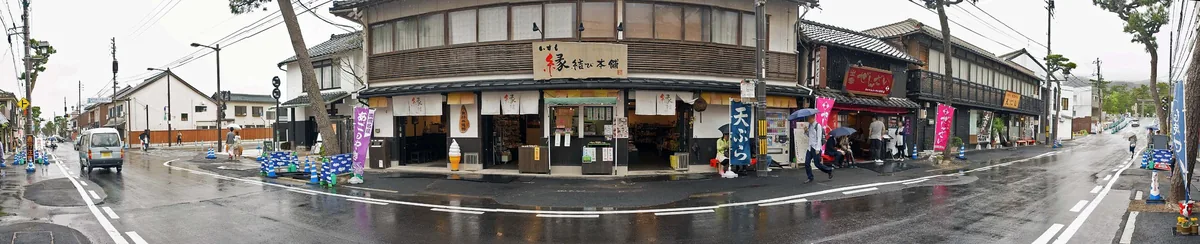
Izumo Taisha is Japan's great shrine for matchmaking. On Shinmon-dori, the approach street, zenzai (sweet red bean soup with mochi) is the local specialty.
The story: In the old lunar tenth month, called Kamiarizuki ("month with gods") in Izumo, the gods of all Japan are said to gather here. A rice cake called jinzai mochi was served at the festival, and one theory says this is where the word "zenzai" comes from (there are other theories).
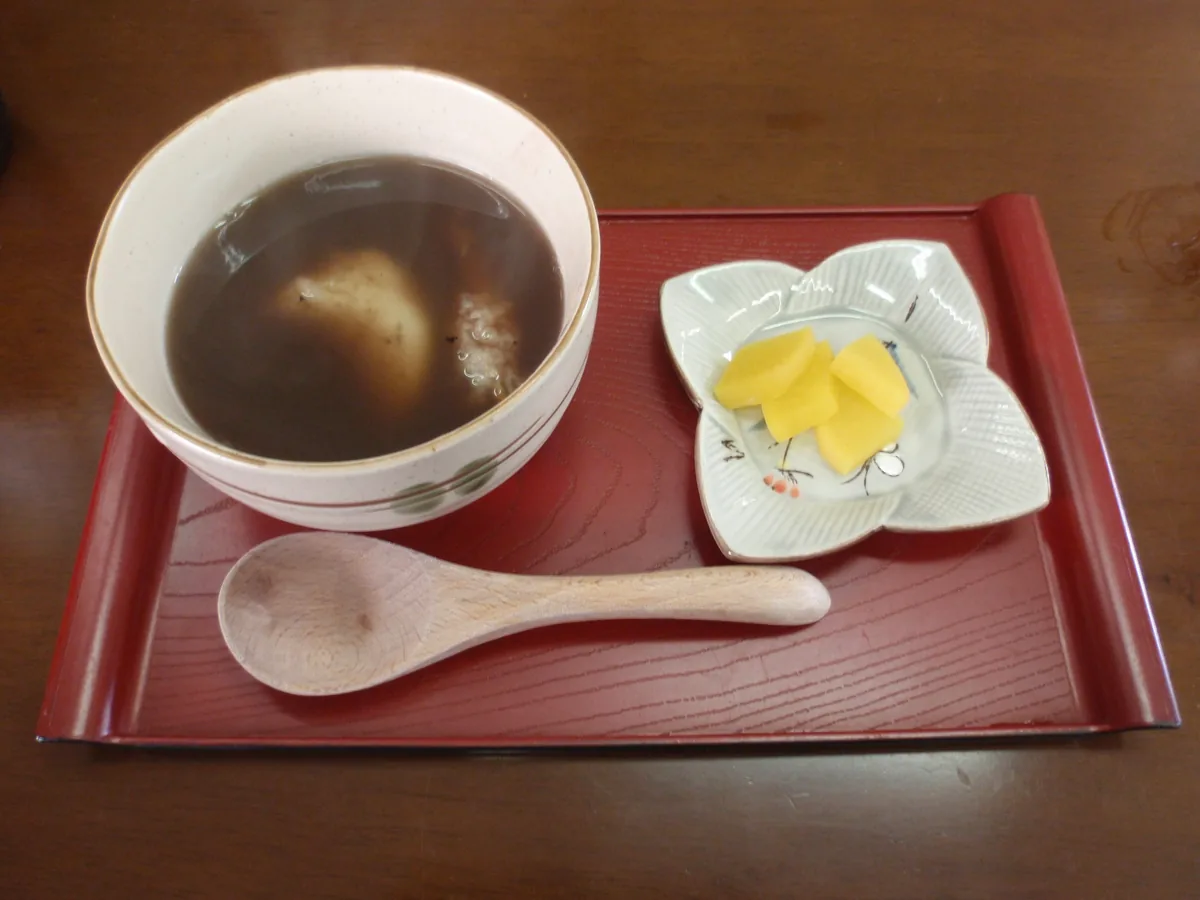
How it tastes: Sweet red bean soup with soft mochi. After a chilly walk to the shrine, it warms you right up.
Best season: November (Kamiarizuki) is a special time when worshippers gather from across Japan. Wishing for good connections over a steaming bowl feels just right.
Tips for Pairing Prayer and Sweets
- Pray first, eat after. Finish your visit, then enjoy the sweet as a quiet thank-you.
- Eat outside the shrine grounds. Avoid eating on the grounds themselves; sit at a shop or rest area on the approach.
- Go for hot and fresh. Umegae mochi, aburi mochi and akafuku are at their best made on the spot.
- Check shelf life for souvenirs. Many fresh sweets keep only a few days, so look at the date when you buy.
- Avoid peak hours. Weekend lunchtime lines are long; mornings are easier.
Frequently Asked Questions (FAQ)
Q1. Can I eat on the shrine grounds?
A. Rules vary, but it is safest to avoid eating on the grounds and to enjoy sweets at shops or rest areas along the approach.
Q2. Is umegae mochi sold all year?
A. Yes, it is sold year-round, though opening days and hours differ by shop, so check ahead.
Q3. Can I order akafuku to take home?
A. Its shelf life is short, so it is best enjoyed on the spot. Check the official site for the latest on how it is sold.
Q4. Can I visit all five places on one trip?
A. They are spread from Kyushu to Kyoto, Mie, Hiroshima and Shimane, so we suggest combining one or two per trip.
Related Articles You Might Enjoy
- Ise Grand Shrine Pilgrimage Guide — Pair akafuku with the Inner and Outer Shrines
- Itsukushima Shrine Pilgrimage Guide — Walk Miyajima, home of momiji manju
- Izumo Taisha Shrine Pilgrimage Guide — Zenzai and Japan's home of matchmaking
- Complete Guide to Shrine Visits — Etiquette, manners and wish-by-wish tips
- Temple-Gate Sweets, Part 2 — Hato sablé, kaminari okoshi, tengu-yaki and five more
Summary
- Umegae mochi is tied to Sugawara no Michizane, the deity of learning, at Dazaifu Tenmangu
- Aburi mochi is a good-luck sweet at Kyoto's Imamiya Shrine
- Akafuku is said to depict the Isuzu River, a classic of Ise
- Momiji manju is Miyajima's maple-leaf signature
- Izumo zenzai is said to come from jinzai mochi, a taste of the matchmaking shrine
A sweet after your prayer turns a shrine visit into a fuller memory. On your next trip, look for the monzen sweet that suits your wish.
Tags
この記事をシェアする
この記事が役に立ったら、SNSでシェアしていただけるととても嬉しいです☀️

Thanks so much for reading! I hope this article brought a little sunshine to your day! See you again soon!
You might also like

8 More Temple-Gate Sweets to Eat After Your Prayer (Part 2): A Guide to Japan's Shrine and Temple Treats
Hato sablé at Tsurugaoka Hachimangu, kaminari okoshi at Senso-ji, tengu-yaki on Mount Takao, mitarashi dango at Shimogamo, kiyome mochi at Atsuta Jingu, itokiri mochi at Taga Taisha, kibi dango at Kibitsu Shrine and kyu-man at Kotohira-gu. Stories, wishes and flavors for each.
Omiwa Shrine Worship Guide
This comprehensive guide covers the history, divine blessings, Mount Miwa faith, key worship points, Sai Shrine, the Medicinal Well, sacred mountain ascent (Tohhai), recommended crystals, and surrounding attractions of Omiwa Shrine (1422 Miwa, Sakurai City, Nara Prefecture). It's an essential resource for visiting a sacred site that continues to preserve one of Japan's oldest forms of primitive worship.

Pilgrimage and Good Luck
Nikko Toshogu Shrine echoes the Chinese zodiac myth at the heart of Fruits Basket. Sun-chan explains the healing power found in the story of the Sleeping Cat and the eight life-stage carvings of the Three Wise Monkeys at the Sacred Stable.

Pilgrimage and Good Luck: Tracing the Sites Connected to Inuyasha
The Shikon Jewel and the priestess's warding arrows in Inuyasha echo Fushimi Inari's sacred jewel and Shinto's view of the soul, Ichirei Shikon. Sun-chan explains the good-luck hints found in these legends, together with Kuzunoha Inari and Hozan-ji.