
Sake and Shinto Shrines: Why They Are So Closely Linked
This article contains promotional content.
Why is sake offered at Shinto shrines? A friendly guide to omiki, the shrines of sake-brewing deities (Omiwa, Matsunoo, Umenomiya), the kuchikamizake of 'Your Name', kagami-biraki barrel opening, and a Fushimi sake-district walk after your shrine visit.
Table of Contents (Tap to toggle)
Hello, this is Sun-chan from Lucky Sun Shine ☀️
At Japanese shrines you will often see rows of sake barrels or bottles of sake placed as offerings. Sake and Shinto have been closely connected for a very long time. Let's follow that link together.
Why is sake offered at shrines?
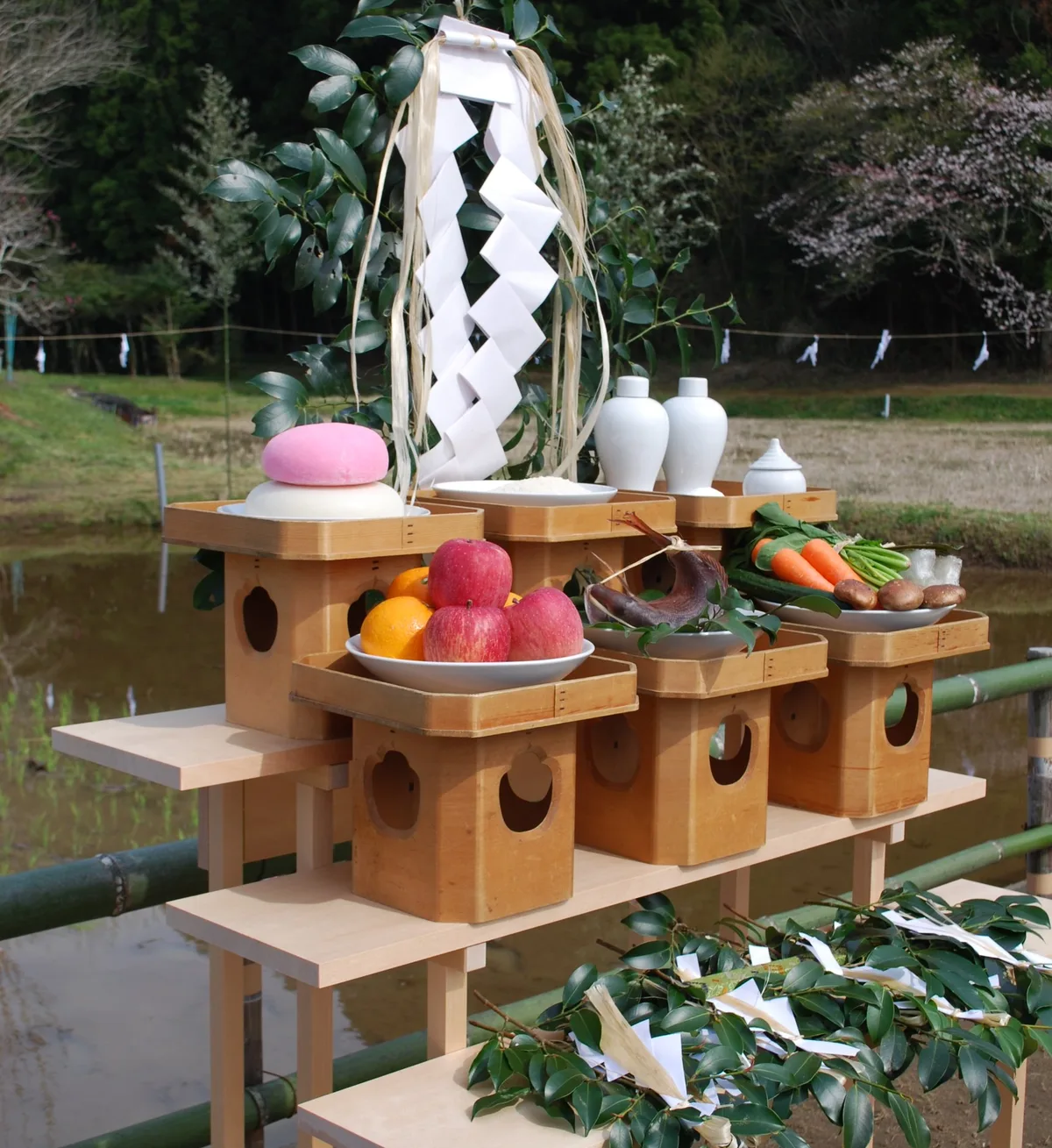
Sake offered to the gods is called "omiki". Rice has long been treated as a precious offering, and the sake made from it was considered special.
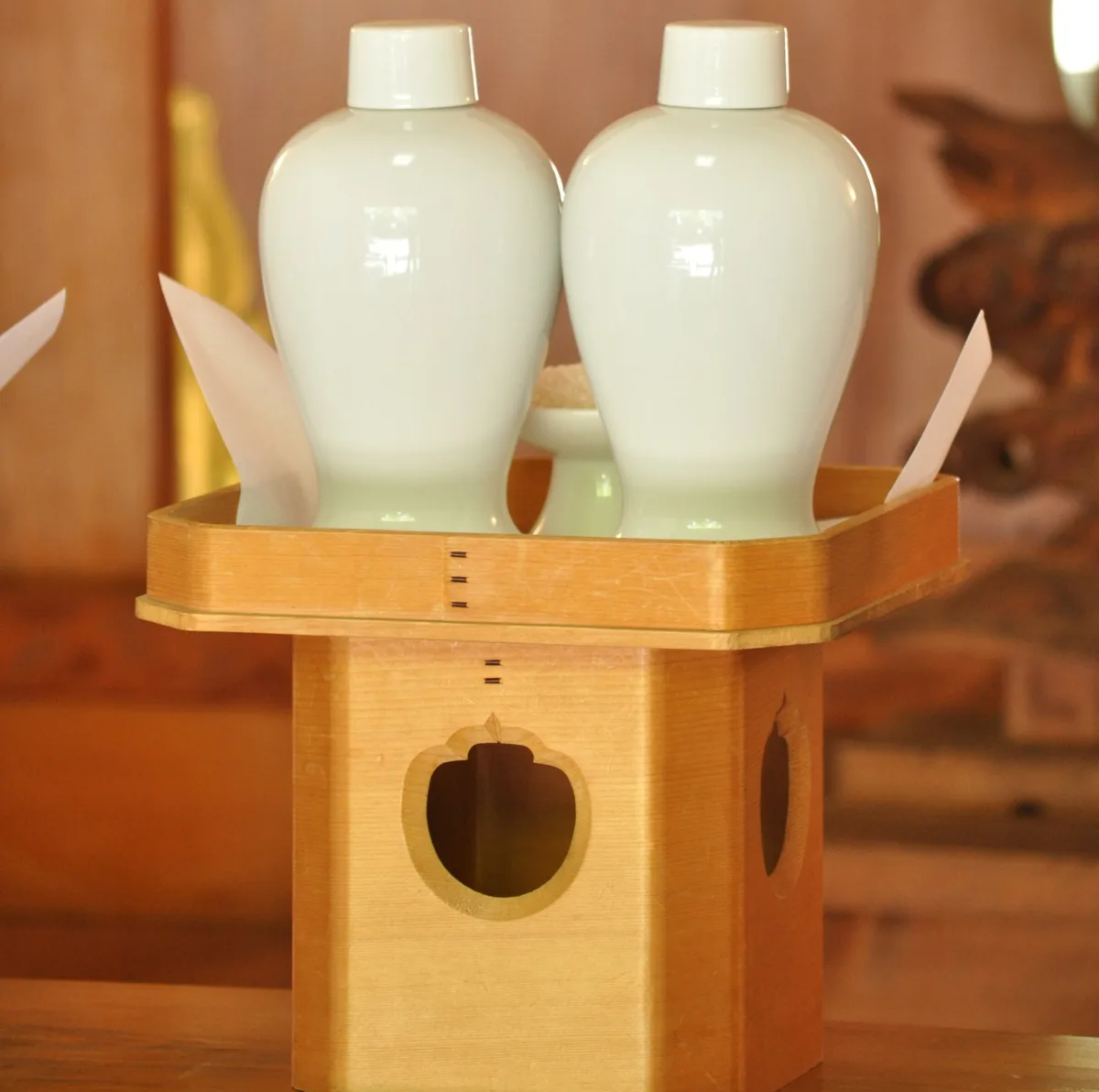
After the offering, priests and participants drink the sake in a ritual called "naorai." Sharing the same food and drink as the gods is said to mean receiving a share of their power. The sansankudo exchange of sake cups at a Shinto wedding is another ritual in which sake binds people together.
Shrines of the sake-brewing deities
Several shrines are revered as homes of deities of sake brewing:
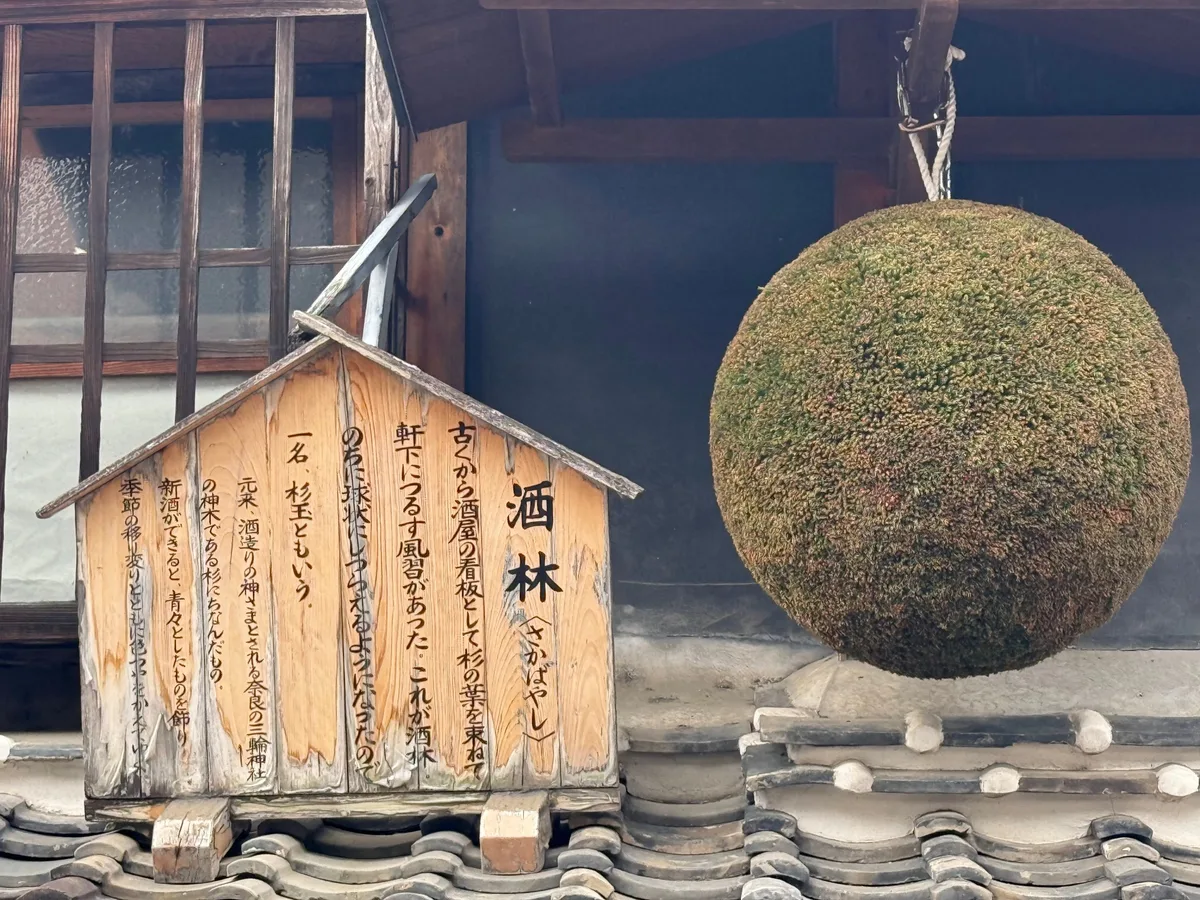
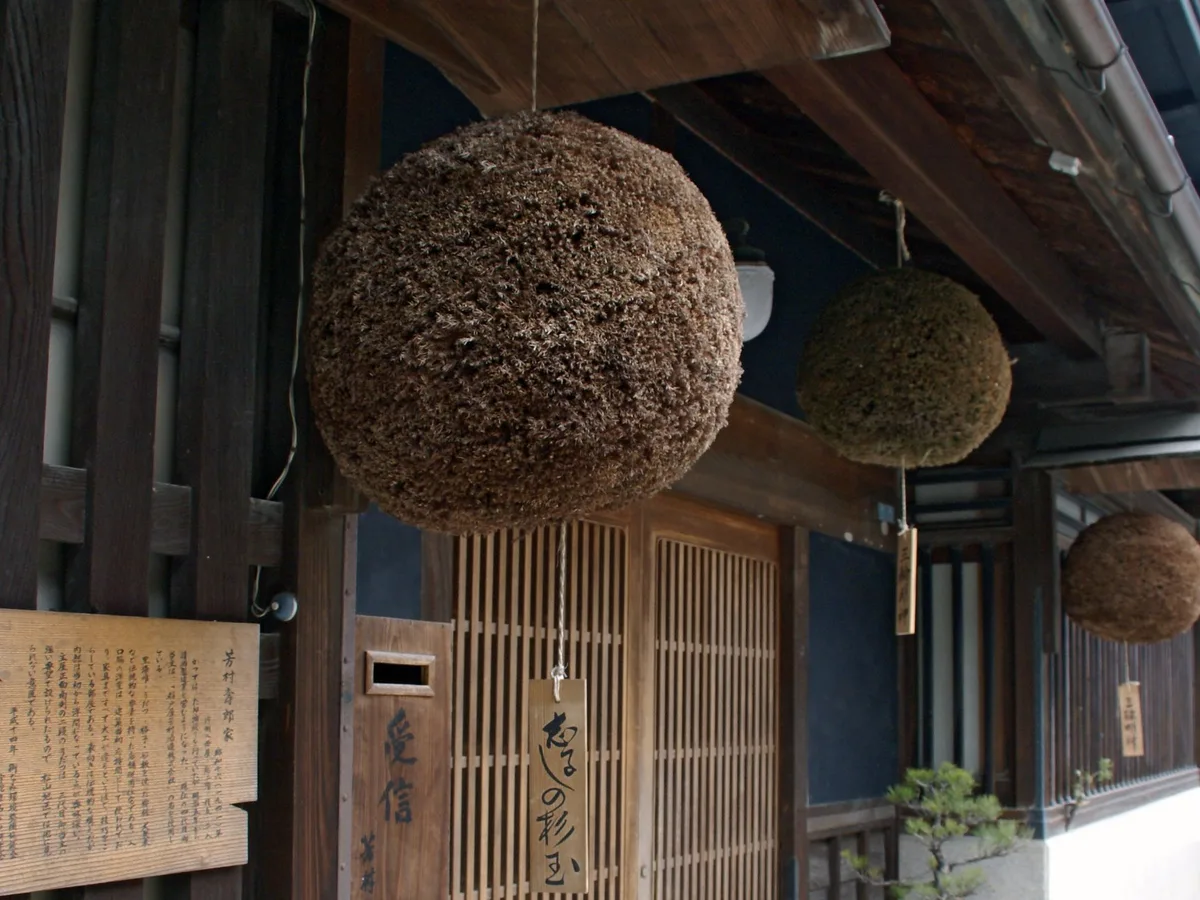
- Omiwa Shrine (Nara): Enshrines Omononushi no Okami, who is also worshipped as a deity of sake brewing. The sugidama (cedar ball) hung outside sake breweries is said to come from the sacred cedar of this shrine. See our Omiwa Shrine guide.
- Matsunoo Taisha (Kyoto): Known as the ancestral deity of brewing and revered by sake makers across Japan.
- Umenomiya Taisha (Kyoto): Known as a shrine of a sake-brewing deity.
Kuchikamizake and "Your Name"
In the film Your Name, the heroine Mitsuha offers kuchikamizake. Brewing by chewing rice so that enzymes in saliva turn starch into sugar, then fermenting it, is said to be one of Japan's oldest sake-making methods. Sake for the gods is said to have been made by pure maidens.
For the places said to inspire the film, see our Your Name pilgrimage guide to Suwa and Hida-Furukawa and the Suwa Taisha guide.
Kagami-biraki and sake barrels
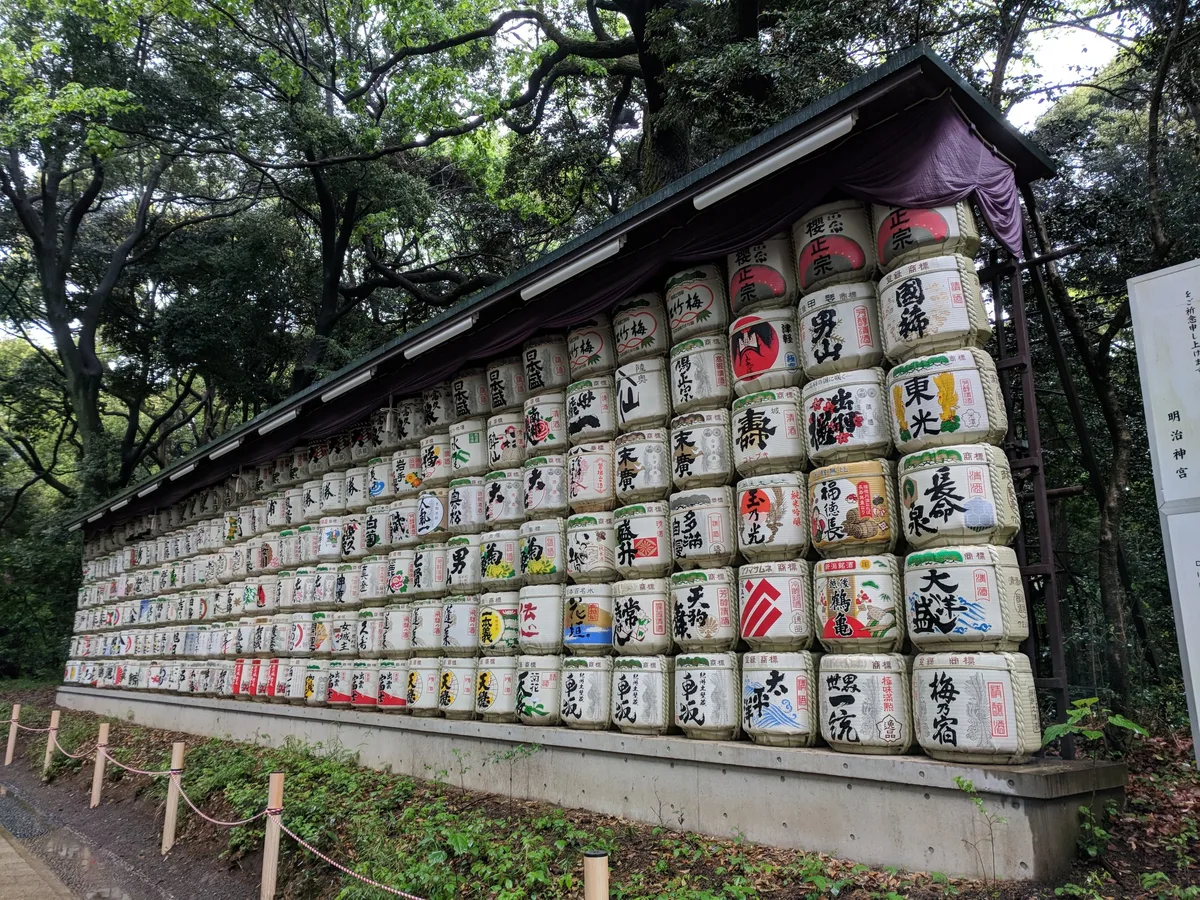
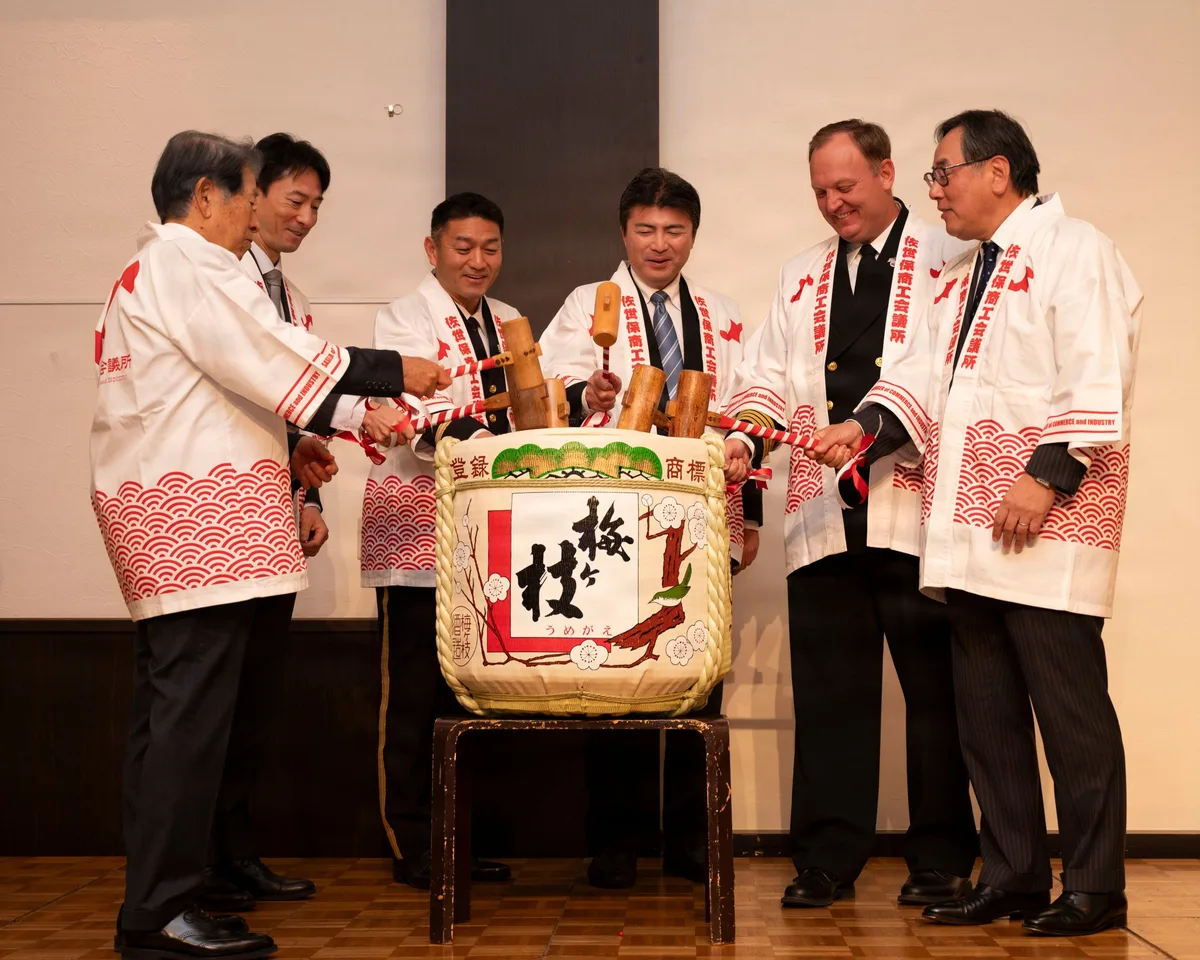
At celebrations, the lid of a sake barrel is broken open with a mallet in a ceremony called kagami-biraki. The lid is likened to a mirror, and "opening" is considered auspicious, which is said to be how the custom came about. If you see donated barrels at a shrine, or barrel sake served at a festival, take a closer look.
After your visit: Fushimi, Kyoto
Fushimi has long been famous as a sake district. It lies in the same ward of Kyoto as Fushimi Inari Taisha and is reachable by train. After your visit described in the Fushimi Inari guide, a walk through the brewery streets makes a nice finish.

- Breweries may require reservations for tours and tastings, so check their official websites.
- The legal drinking age in Japan is 20. Please do not drink and drive.
New to shrine etiquette? See our shrine visit basics.
Enjoy sake at home
PR This article contains affiliate links. As an Amazon Associate I earn from qualifying purchases.
- Browse Japanese sake sets (tokkuri and ochoko) on Amazon (a simple way to bring the ritual feel home)
- Browse sake cups and wooden masu on Amazon (for sharing a toast, as in a kagami-biraki)
Sake sets here are drinkware only. Please follow local alcohol laws and never drink and drive.
Summary
- Omiki is an offering to the gods, and drinking it afterwards is said to share their power.
- Shrines of sake-brewing deities include Omiwa in Nara and Matsunoo and Umenomiya in Kyoto.
- Kuchikamizake and kagami-biraki are both parts of the culture linking sake and the gods.
On your next shrine visit, look out for the sake offerings and barrels. May your days shine as bright as the sun ☀️
Tags
この記事をシェアする
この記事が役に立ったら、SNSでシェアしていただけるととても嬉しいです☀️

Thanks so much for reading! I hope this article brought a little sunshine to your day! See you again soon!
Plan your trip
Please check the details before booking.
This section contains affiliate links.
You might also like
Moon Phases and Crystals
A comprehensive guide on how to work with crystals according to the moon's phases.

The Ultimate Guide to Lucky Habits
This comprehensive guide covers everything from daily morning and evening lucky routines and seasonal fortune-boosting actions, to Feng Shui living, the principles of Kotodama, and the Law of Attraction.
7 Crystals for Your Bedroom
Your bedroom, where you spend a third of your day, is a charging station for your luck and energy.

7 Crystals for Your Home Office and Desk
A comprehensive guide to desk feng shui for the remote work era.