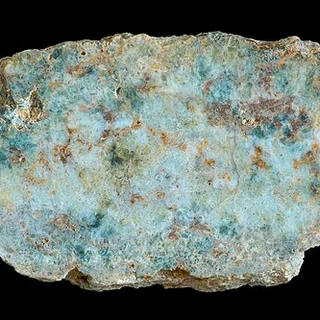

Chrysoprase Meaning, Stone Properties, and Effects
A comprehensive guide to Chrysoprase (meaning, stone properties like 'Hope, New Love, and Growth,' and effects). Discover who it's for, compatible stones, and purification methods. Everything you need to know about this 'Stone of Growth' that sprouts apple green is right here.
Table of Contents (Tap to toggle)
Introduction
The English name Chrysoprase is said to be a combination of the Greek words "chrysos (gold)" and "prason (leek/green)," signifying "golden-green new growth." It is a type of chalcedony that has been cherished as a noble stone for centuries, appearing in ancient Egyptian ornaments, Roman seals, and even in the palace decorations of Frederick the Great of the Kingdom of Prussia.
Legend has it that Alexander the Great wore it on his belt during his campaigns, attributing his numerous victories to the stone, and it has since been known as an "amulet of victory and hope." Its vibrant apple-green color evokes the sprouting of new life, making it a beloved stone today for themes of "new beginnings," such as new relationships, career changes, or starting a business.
Basic Information
| Item | Content |
|---|---|
| Stone Name | Chrysoprase |
| Mineral Family | Chalcedony |
| Main Sources | Australia, Russia, Brazil |
| Mohs Hardness | 6.5〜7 |
| Color | Vibrant Apple Green |
| Associated Chakra | Fourth (Heart) |
Stone Properties and Meaning
Chrysoprase's stone properties are "Hope, New Love, and Growth." It has been cherished worldwide as the "stone of growth" that sprouts apple green.
In ancient Rome, it was known as the "Stone of Victors" and was frequently used in imperial ornaments and seals. Records show that in medieval Europe, it was even used in courts as a "stone to strengthen marital bonds" and "a stone to compel truth in trials."
During the Kingdom of Prussia, Chrysoprase from Silesia (present-day Poland) was favored by Frederick the Great and used as decorative material in Sanssouci Palace. It holds a history of being valued alongside jade, earning it the nickname "Polish jade."
As a bright green stone corresponding to the Fourth (Heart) Chakra, it is beloved today for themes of new beginnings, such as "rejuvenation of the heart" and "new love or new career paths."
Recommended for People Who
- Want to start a new love affair
- Are in a period of personal growth
- Want to manage feelings of jealousy
- Want to regain a positive outlook
What it's Said to Do
Please Note: The "effects" of crystals are cultural and symbolic in nature. They are not medically or scientifically guaranteed.
- Hope and New Beginnings: Drawing from the legend of Alexander the Great's victory charm, it is said to encourage a positive outlook toward the future.
- Sprouting New Love: As a vibrant green corresponding to the Fourth Chakra, it is believed to invite the beginning of new romantic relationships.
- Growth and Change: Its color, reminiscent of new sprouts, has led it to be known as a stone symbolizing the "power to expand and develop."
- Emotional Healing: It is said to soothe feelings of jealousy and envy that arise from comparing oneself to others, making it a favored amulet when feeling drained by social interactions.
Examples of Use
- Wearing it as a bracelet: It is favored as a charm that symbolizes that "first push" when starting new endeavors or relationships.
- Wearing it as a pendant near your heart: It is suitable for times when you wish for emotional rejuvenation, as it is close to the Fourth (Heart) Chakra.
- Placing it on your desk or in your study: It pairs well with themes of "growth" and "learning," making it a great charm during periods of self-investment.
- Carrying a tumbled stone: A traditional method is to hold it to help stabilize your emotions when feelings of jealousy or comparison arise.
Characteristics by Origin
Chrysoprase's color and quality vary significantly by origin.
- Queensland, Australia: Top quality. Known for its vibrant apple green color, sometimes called "Australian Jade."
- Poland (formerly Silesia): Historical source. Famous as a decorative stone for Frederick the Great.
- Ural Mountains, Russia: A classic source known since the 18th century.
- Tanzania and Brazil: Newer sources with increasing market presence. Shows significant individual variations in color.
The reason for its vibrant "apple green" color is due to the presence of nickel, and the intensity of the color varies with the concentration of nickel. For basic selection tips, please refer to our Complete Guide to Choosing Crystals.
Compatible Combinations
| Combination | Expected Meaning |
|---|---|
| Chrysoprase x Rose Quartz | Harmonizing new love and gentleness |
| Chrysoprase x Clear Quartz | Amplifying growth energy |
| Chrysoprase x Moonstone | Inviting new beginnings |
| Chrysoprase x Prehnite | Green healing and decluttering duo |
| Chrysoprase x Aventurine | Double green prosperity |
When combining multiple stones, you might also want to consult our Complete Guide to Crystal Combinations.
Purification Methods
Recommended Methods:
- Clear Quartz tumbled stones
- White Sage
- Moonlight bath
- Running water (short duration)
Methods to Avoid:
- Prolonged direct sunlight (may cause fading)
For detailed instructions, please refer to our Complete Guide to Crystal Purification Methods.
Price Range
Here's an estimated price range for Chrysoprase available on the market (as of 2026, for A to AA grade items).
| Form | Market Price |
|---|---|
| Bracelet (approx. 8mm beads) | ¥3,000〜¥8,000 |
| Tumbled stones / Gravel (50g) | ¥1,200〜¥4,000 |
Vibrant apple green is ideal. Australian origins are considered top quality.
Prices can vary significantly based on origin, grade, and size. It's recommended to compare options from several shops, looking for authenticated items with good transparency and color intensity, before making your choice.
How to Spot Fakes and Artificial Stones
- Natural Chrysoprase typically exhibits some color variation or subtle cloudy inclusions.
- A "perfectly uniform bright green" or "unnaturally fluorescent green" is highly likely to be dyed chalcedony.
- Be wary of stones that appear too uniformly colored when held up to strong light.
- For peace of mind, purchase from reputable specialized stores that provide authenticity certificates. You can also check our Guide to Spotting Fake and Artificial Stones.
Frequently Asked Questions (FAQ)
Q. How is Chrysoprase different from Jade? A. While both are green, Jade is a different mineral, categorized as nephrite or jadeite. Chrysoprase belongs to the chalcedony family, characterized by a brighter, more yellowish-green hue and a translucent quality.
Q. What bead size is recommended for a bracelet? A. If you want to fully enjoy its vibrant green, 8 to 10mm beads are great. Stones with good color saturation tend to have more presence the larger the bead.
Q. Is it true that it helps soothe jealousy and envy? A. It has been known since ancient times as the "stone that calms jealousy." It is also favored as a charm for modern individuals who often find themselves comparing themselves to others on social media or in social interactions.
Q. Does it fade? A. Its green color may fade if exposed to direct sunlight for extended periods. It's best to store it in a place where it is protected from light.
Conclusion
- Chrysoprase is a crystal symbolizing "Hope, New Love, and Growth."
- It carries a history of "victory and hope," having been cherished by Alexander the Great and Frederick the Great.
- The apple green color, produced by nickel, is considered the "color of new growth" corresponding to the Fourth Chakra.
- For purification, Clear Quartz tumbled stones and White Sage are recommended, and it's best to avoid prolonged direct sunlight.
Chrysoprase is a stone that can be a wonderful companion, reminding you of "hope" every time you wear it.
Editor's Note
I often receive messages from people saying how glad they were to choose Chrysoprase's bright green when they started focusing on their "future selves." I truly feel it's a stone with a mysterious brightness, capable of embodying both the charm of an accessory and the message that "there's still room to grow."
Related Articles You Might Like
Tags
この記事をシェアする
この記事が役に立ったら、SNSでシェアしていただけるととても嬉しいです☀️

Thanks so much for reading! I hope this article brought a little sunshine to your day! See you again soon!
You might also like
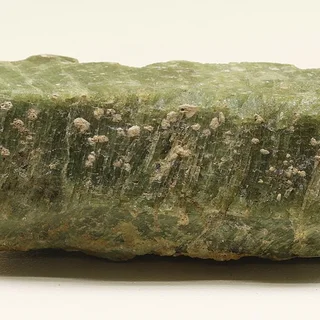

Apatite: Meaning, Stone Lore, and Effects
A comprehensive guide to Apatite: Its meaning, stone lore ('Communication, Academics, Goal Achievement'), effects, who it's recommended for, compatible stones, and purification methods. Discover the basics and practical uses of this 'Blue Guiding Stone' that helps you achieve your goals, all on one page.

How to Properly Wear Crystals
It's believed that the meaning of crystals changes depending on whether you wear them on your left or right hand. This beginner's guide provides a complete explanation of how to properly wear bracelets, pendants, rings, and earrings, how to align them with chakras, where to place them in your home, and even when not to wear them.
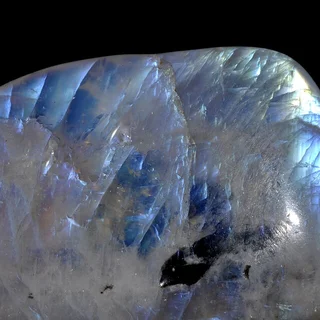

Moonstone Meaning, Stone Properties, and Effects
A comprehensive guide to moonstone's properties, history, lore surrounding femininity, intuition, and new moons, ideal pairings, mineral data, and FAQs. This is your go-to resource for incorporating this milky white stone, revered as the embodiment of the moon from ancient India to Rome, into your life.
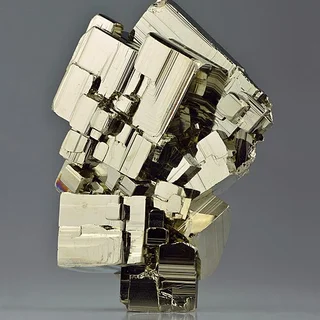
Pyrite (Iron Pyrite): Meaning, Stone Language, and Effects
A comprehensive guide to Pyrite (Iron Pyrite), covering its meaning, 'stone language' (financial luck, willpower, and warding off evil), effects, who it's recommended for, compatible stones, and purification methods. Discover the essentials and practical applications of this symbol of prosperity, famously known as 'Fool's Gold,' all in one place.