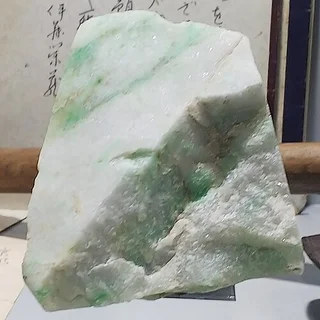

Jade: Meaning, Stone Language, and Effects
A comprehensive guide to Jade's stone meanings, history, legends of prosperity, longevity, and virtue, the differences between Jadeite and Nephrite, complementary pairings, mineral data, and frequently asked questions. This is an essential guide for incorporating the green stone cherished by Japanese people since the Jomon period into your life.
Table of Contents (Tap to toggle)
Introduction
Jade is a green stone known as "Gyoku" (玉) in the East, revered more highly than gold in China. In Japan, it has been used since the Jomon period for Magatama and Taishu beads, with Jade from Itoigawa being unearthed from ruins over 7,000 years old. As a symbol of important values like "virtue, prosperity, and longevity," it's one of the most beloved crystals in East Asia. This article covers its mineral data, historical background, reputed effects, FAQs, and an editor's note.
Table of Contents
- Basic Information and Mineral Data
- Differences between Jadeite and Nephrite
- Stone Meanings, History, and Cultural Background
- Reputed Effects
- Usage Examples
- Complementary Pairings
- Cleansing Methods and Care
- Frequently Asked Questions (FAQ)
- Editor's Note
- Related Articles You Might Also Like
Basic Information and Mineral Data
| Item | Content |
|---|---|
| Stone Name | Jade |
| Japanese Name | Hisui (翡翠) |
| Mineral Species | Jadeite (Hard Jade) / Nephrite (Soft Jade) |
| Chemical Composition | NaAlSi₂O₆ (Jadeite) / Ca₂(Mg,Fe)₅Si₈O₂₂(OH)₂ (Nephrite) |
| Crystal System | Monoclinic |
| Main Mining Locations | Myanmar, Guatemala, Russia, Japan (Itoigawa, Niigata) |
| Mohs Hardness | 6.5〜7 (Jadeite) / 6〜6.5 (Nephrite) |
| Colors | Green, White, Purple (Lavender), Black, Orange, Red |
| Corresponding Chakra | Fourth (Heart) |
| May Birthstone | Yes (Supplemental) |
There are two mineralogical types of stone called "Jade," and Jadeite (hard jade), especially from Myanmar, is considered the highest quality. Itoigawa in Japan is home to the world's oldest Jade processing culture. In 2016, the Mineralogical Society of Japan selected Jade as the "National Stone of Japan."
Differences between Jadeite and Nephrite
| Item | Jadeite (Hard Jade) | Nephrite (Soft Jade) |
|---|---|---|
| Other Name | True Jadeite | Soft Jade |
| Origin | Primarily Myanmar | China, Canada, Russia |
| Hardness | 6.5〜7 | 6〜6.5 |
| Price | High | Relatively Affordable |
| Cultural Significance | Prized in China and Japan since the Qing Dynasty | Central to ancient Chinese Jade culture |
In ancient China, "Yu" (玉) referred to Nephrite, and it was only after the Qing Dynasty that Jadeite began to be prized as "Feicui" (翡翠).
Stone Meanings, History, and Cultural Background
Its stone meanings are "Longevity, Prosperity, and Virtue."
In ancient China, it was said that "Jade possesses five virtues" (benevolence, righteousness, wisdom, courage, and integrity), and it was the highest-ranking stone used for imperial and aristocratic adornments and burial items. In Japan, Taishu and Magatama beads were crafted from Itoigawa Jade since the Jomon period, and these have been unearthed from various archaeological sites, including Izumo Taisha. Guatemalan Jadeite was also sacred in Maya and Aztec civilizations, making it a rare mineral considered the "highest stone" independently in both the Eastern and Central American hemispheres.
Source: Mineralogical Society of Japan, GIA Jade Reference, various archaeological documents.
Recommended for people who...
- Wish for lasting prosperity and health
- Want to cultivate a calm and virtuous character
- Value the happiness of family and descendants
- Want to wear a traditional Eastern stone
- Have a preference for Japanese-origin stones
Reputed Effects
Please note: The "effects" of crystals are cultural and symbolic. They are not medically or scientifically guaranteed, and individual experiences may vary.
- Longevity and Health — Traditionally known as "the stone that governs life force"
- Prosperity and Success — Symbol of thriving business and family prosperity
- Enhancing Virtue — Stone for people of character, symbol of the five virtues
- Harmonizing Relationships — Corresponds to the heart chakra, fostering gentle bonds
- Warding off Misfortune — Following the tradition of ancient Jade Bi (amulet rings)
Usage Examples
- Wear it as a Magatama — A traditional Japanese amulet
- As a bracelet on either wrist — A symbol of prosperity and health
- As a pendant close to your heart — Corresponds to the fourth chakra
- Place an ornament in your living room or entryway — An amulet for family prosperity
- As a gift for milestones — For weddings, births, or longevity celebrations
Complementary Pairings
| Pairing | Expected Meaning |
|---|---|
| Jade and Clear Quartz | Amplified prosperity and purification |
| Jade and Citrine | Long-term financial luck and balance |
| Jade and Rose Quartz | Harmonious gentle love and virtue |
| Jade and Rutilated Quartz | A pairing for business prosperity |
| Jade and Aventurine | Green healing and prosperity |
Cleansing Methods and Care
- Clear Quartz clusters or chips, white sage, and moonlight bathing — The three classic methods
- Running water is also fine for short periods
- Avoid prolonged direct sunlight — Risk of fading
- It's best to avoid salt and acids
- Although its hardness is 6.5 to 7, its fibrous crystal structure gives it one of the strongest toughness ratings among stones.
Frequently Asked Questions (FAQ)
Q1. What are "A Jade," "B Jade," and "C Jade"?
A. These are industry terms indicating the treatment level of Jadeite. A refers to untreated natural jade, B to resin-impregnated jade, C to dyed jade, and B+C to impregnated and dyed jade. If you wish to purchase authentic natural Jade, please look for "A Jade," "untreated," and "with a gemological certificate."
Q2. Is Lavender Jade dyed?
A. Natural lavender (purple) Jade does exist, but many dyed products are also circulated in the market. It's best to check a gemological certificate to confirm if the color is natural or treated.
Q3. Can I buy Itoigawa Jade from Japan?
A. Yes, absolutely! You can purchase domestically produced Jade at specialty stores within Itoigawa City or at fairs organized by Niigata Prefecture. The charm lies in being able to enjoy Japan's "National Stone" firsthand.
Q4. Are "Yu" and "Feicui" the same in China?
A. Strictly speaking, they are different. In ancient China, "Yu" (玉) referred to Nephrite (soft jade). It was only during the Qing Dynasty (from the 18th century onward) that Jadeite (hard jade) from Myanmar began to be highly prized as "Feicui" (翡翠).
Q5. Are there other stones for prosperity and virtue?
A. Rutilated Quartz, Citrine, and Tiger's Eye are classic choices. For more details, please refer to the financial luck section of the Comprehensive Crystal Guide by Purpose.
Editor's Note
For me, Sun-chan (as the operator), Jade is a "stone with a long timeline." It feels like it watches over the accumulation of life's experiences over decades, rather than short-term luck or outcomes. I have a rough Jade stone I picked up during a visit to Itoigawa, Niigata, in my study. It's different from polished jewelry; the profound sense of time, as "a stone cherished by Japanese people for thousands of years," makes it a truly reassuring stone.
Related Articles You Might Also Like
- The Meaning and Effects of Citrine — A prosperity pairing
- The Meaning and Effects of Aventurine — A green healing pairing
- The Meaning and Effects of Rose Quartz — A gentle love pairing
- Comprehensive Crystal Guide by Purpose — Featured in the sections on financial luck and health
- 12-Month Birthstone Guide — As a supplemental May birthstone
Summary
- Jade is the highest-ranking stone in the East, symbolizing "longevity, prosperity, and virtue."
- Originating from Japan since the Jomon period, a treasure of Chinese emperors, a sacred stone of the Maya — the supreme stone in both hemispheres.
- Two types: Jadeite and Nephrite, with A Jade being untreated natural.
- Designated as the National Stone of Japan in 2016.
- Classic pairings include Citrine and Rutilated Quartz.
Every time you wear it, it reminds you of the feeling of "building things up over time" — Jade is a stone you can have that kind of relationship with.
Tags
この記事をシェアする
この記事が役に立ったら、SNSでシェアしていただけるととても嬉しいです☀️

Thanks so much for reading! I hope this article brought a little sunshine to your day! See you again soon!
You might also like
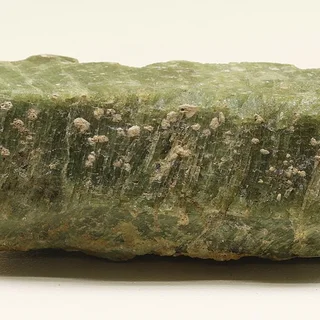

Apatite: Meaning, Stone Lore, and Effects
A comprehensive guide to Apatite: Its meaning, stone lore ('Communication, Academics, Goal Achievement'), effects, who it's recommended for, compatible stones, and purification methods. Discover the basics and practical uses of this 'Blue Guiding Stone' that helps you achieve your goals, all on one page.

How to Properly Wear Crystals
It's believed that the meaning of crystals changes depending on whether you wear them on your left or right hand. This beginner's guide provides a complete explanation of how to properly wear bracelets, pendants, rings, and earrings, how to align them with chakras, where to place them in your home, and even when not to wear them.
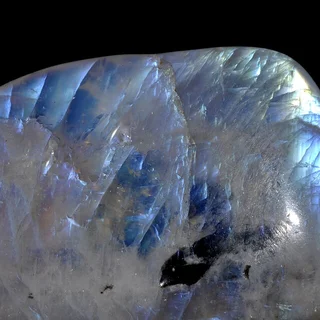
Moonstone Meaning, Stone Properties, and Effects
A comprehensive guide to moonstone's properties, history, lore surrounding femininity, intuition, and new moons, ideal pairings, mineral data, and FAQs. This is your go-to resource for incorporating this milky white stone, revered as the embodiment of the moon from ancient India to Rome, into your life.
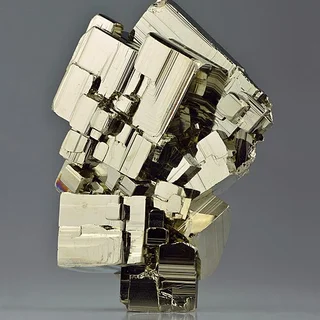

Pyrite (Iron Pyrite): Meaning, Stone Language, and Effects
A comprehensive guide to Pyrite (Iron Pyrite), covering its meaning, 'stone language' (financial luck, willpower, and warding off evil), effects, who it's recommended for, compatible stones, and purification methods. Discover the essentials and practical applications of this symbol of prosperity, famously known as 'Fool's Gold,' all in one place.