
[Good Luck × Animism] Drawing Attention Even from Overseas Japan Fans! 5 Carefully Selected 'Bizarre & Cool' Good Luck Shrines in Japan ⛩️✨
This article contains promotional content.
A special feature on exquisite good luck spots aimed at overseas readers who love Japan's deep spiritual culture and unique power spots!
Table of Contents (Tap to toggle)
Hello, everyone! It's Sun-chan, the official navigator of the crystal and good luck media "Lucky Sun Shine" ☀️✨
This time, I'm delivering a very special feature on good luck spots for our overseas readers who love Japan's deep spiritual culture and unique power spots!
In the worldview of Western monotheism, it's common to believe in a single, unique God who created the world and to follow strict scriptures and moral codes. However, in Japanese "Shinto," there are no absolute scriptures, nor is there a clear dualism of good and evil.
Based on the animistic concept of "Yaoyorozu no Kami" (eight million gods) that has continued since ancient Japan, Japanese people have found spirituality and carefully worshipped not only natural objects like giant rocks and large trees, but also historical figures, localized parts of the human body, and even inorganic things like modern electronic data and motorcycles.
This overwhelming broad-mindedness to flexibly accept and deify absolutely any concept is exactly what appears as "Bizarre & Cool" appeal to Japan fans overseas ✨
This time, I will introduce 5 carefully selected niche shrines where you can feel the diversity and deep spiritual power (blessings for good luck) of Japanese animism, going beyond just being strange sights! Let's check them out together right away ☀️
1. The Extreme of Life-Risking Shugendo and Nature Worship! "Ota Shrine" (Hokkaido)
What Kind of Deity? (Roots and Blessings)
Ota Shrine, enshrined in Setana Town, Kudo District, Hokkaido, is a prominent mountain sacred site known among the countless shrines across Japan as the "most dangerous shrine in Japan."
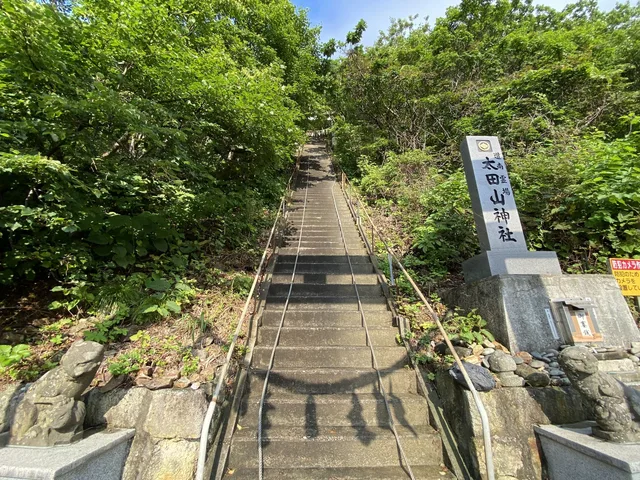
As the harsh history of Shugendo (Japanese mountain asceticism) suggests, by overcoming physical pain and fear to pray, you can be granted a great purification of the spirit and a powerful good luck energy that carves through any difficulty (fulfillment of various wishes for opening one's path, and maritime safety).
Why It's Cool! (Points That Surprise Overseas Readers)
In contrast to Western cathedrals built safely and luxuriously on flat land, the main hall of Ota Shrine sits all alone in a small cave yawning open on a sheer cliff 485 meters above sea level.
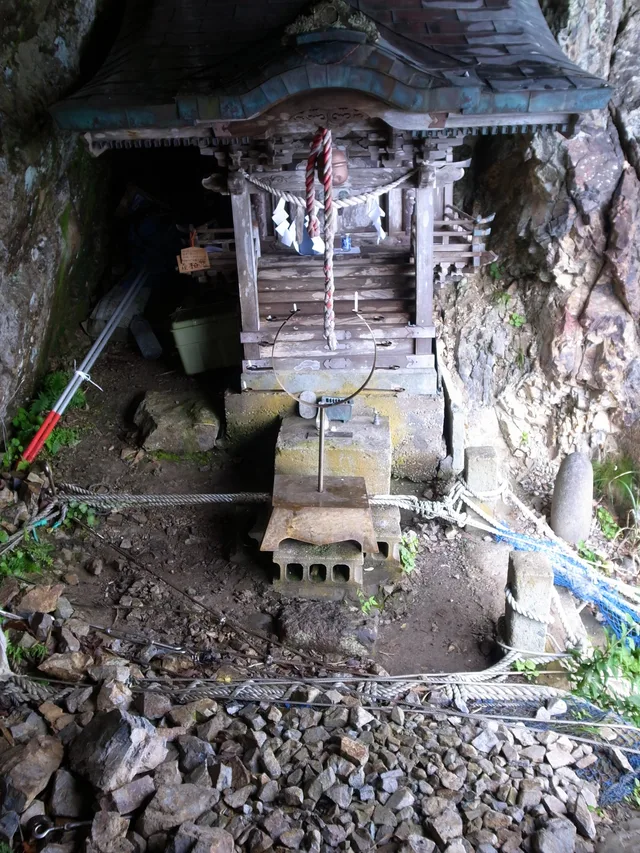
The pilgrimage process, standing side-by-side with the mortal fear that one slip means falling, is the ultimate expression of ancient Japanese animism, which "equates the fury and terror of nature itself with the divine." For overseas readers accustomed to safe urban life, this Shugendo approach of reaching a sacred realm through a life-risking trial offers intense awe and supreme adventurous appeal.
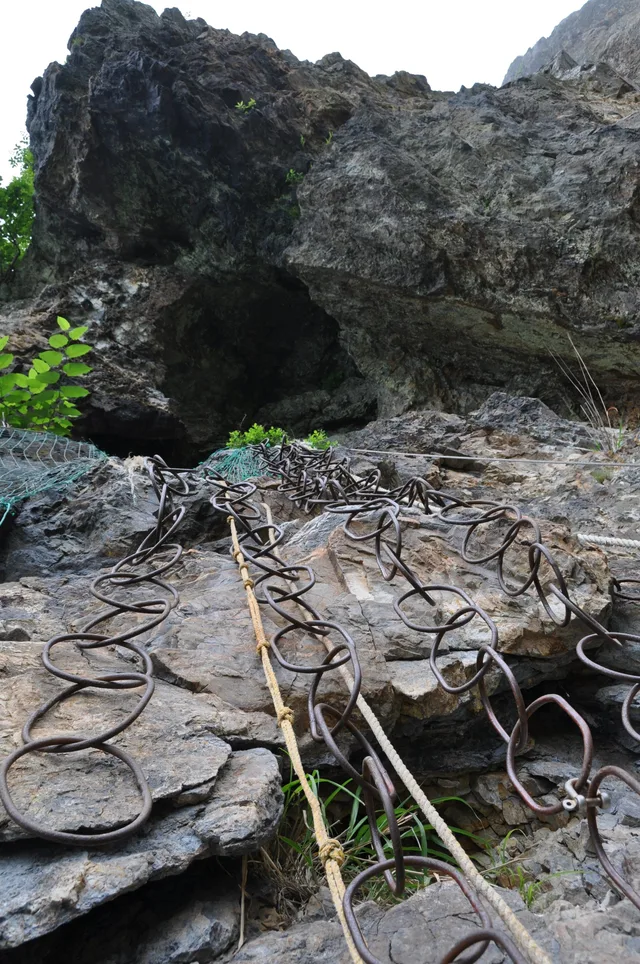
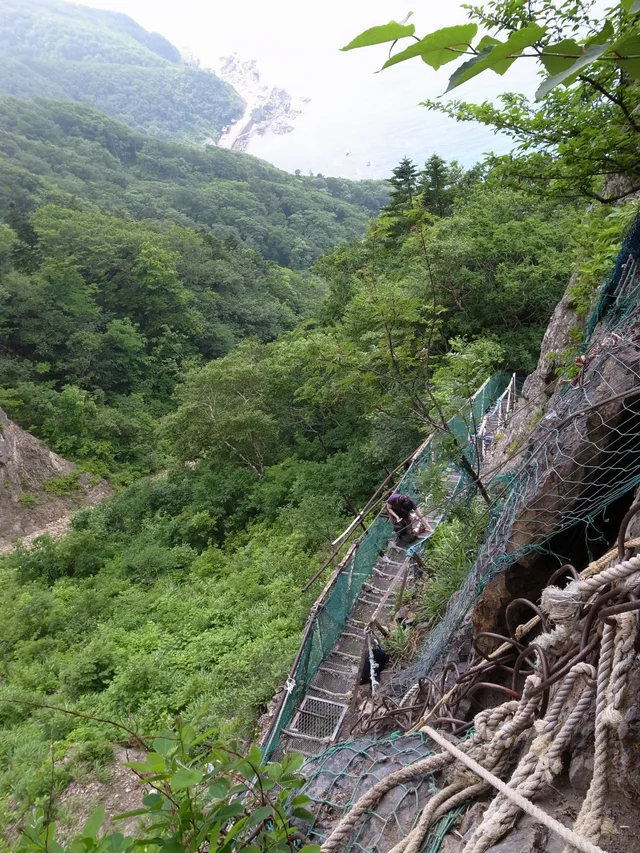
Note: If you plan to visit, decide within your own limits based on the weather and your condition, and check the latest access information from official sources such as Setana Town.
🔗 Official & Reference Links (Ota Shrine has no official website, so these are introductory pages)
- Visit Hokkaido blog: a visit to Ota Shrine (Japanese)
- J-Town Net: the climb explained, with comments from the Setana Tourism Association (Japanese)
💡 Phrases for Overseas SNS Posts
- Japan's Most Dangerous Shrine: The Death-Defying Hiking Guide to Ota Shrine
- One slip and it's over! 🧗♂️ Would you risk your life climbing a vertical cliff to pray at Japan's most dangerous shrine? ⛩️ #ExtremeTravel
2. A Festival of Sex Without Taboos and an Intersection of Diversity! "Kanayama Shrine" (Kanagawa Prefecture)
What Kind of Deity? (Roots and Blessings)
Kanayama Shrine, located within the precincts of Wakamiya Hachimangu Shrine in Kawasaki City, Kanagawa Prefecture, is a shrine gathering massive attention from around the world for its "Festival of the Steel Phallus."
Today, it is cherished as a good luck spot embracing all kinds of diversity, including prayers for marital harmony, conception and safe childbirth, warding off venereal diseases and HIV prevention, and even solidarity with the LGBTQ community.
Why It's Cool! (Points That Surprise Overseas Readers)
In Western religious views and Puritanism, sex and reproductive organs have long been considered "original sin" or "things to be hidden." That's exactly why the sight of people carrying a giant pink phallus mikoshi (Elizabeth Mikoshi) in broad daylight during the spring "Kanamara Matsuri," happily tasting colorful candy crafted to look like penises and vulvas, gives overseas readers immeasurable culture shock and a sense of liberation.
The animistic tolerance of Shinto, which has no strict dogmas, achieves the ultimate inclusion transcending nationality and gender, and that is its "coolest point."
🔗 Official & Reference Links (Kanayama Shrine is a sub-shrine within Wakamiya Hachimangu)
💡 Phrases for Overseas SNS Posts
- Kanayama Shrine in Japan: Where Ancient Fertility Rites Meet LGBTQ Pride
- Breaking taboos the Japanese way! 🎉 Why thousands gather to parade a giant penis shrine for health and equality. 🌸✨ #CrazyFestivals
3. The Thunder God Protecting Cyberspace and IT Infrastructure! "Denden-gu" (Kyoto Prefecture)
What Kind of Deity? (Roots and Blessings)
Within the grounds of Horin-ji Temple in Arashiyama, the ancient capital of Kyoto boasting a thousand years of history, sits "Denden-gu," spiritually protecting modern digital society.
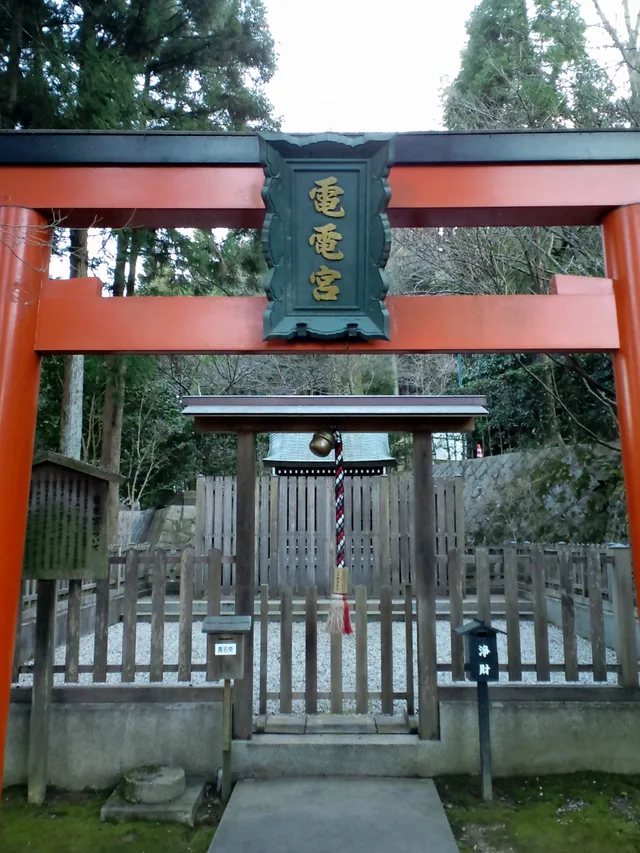
It is the strongest digital good luck power spot for everyone involved in IT, where executives of major Japanese IT companies and telecom carriers flock to pray for the success of system development, prevention of server crashes, warding off communication failures, and the achievement of cybersecurity ✨
Why It's Cool! (Points That Surprise Overseas Readers)
The very fact that a deity answering prayers for modern server operation and cyber safety exists within the grounds of a historic Kyoto temple creates the ultimate cyberpunk contrast. Recognizing divine spirits not only in visible nature but also in "invisible powerful energies" like electricity and radio waves is an idea truly unique to Japanese animism.
🔗 Official & Reference Links (Denden-gu is on the grounds of Horinji Temple)
💡 Phrases for Overseas SNS Posts
- Denden-gu Shrine: Kyoto's Hidden Temple for Electricity, IT Geeks, and Cyber Security
- Praying for no Wi-Fi drops? 📶 Japan has an ancient shrine dedicated to IT, electricity, and even sells MicroSD charms! 💾⛩️ #CyberPunk
4. The Embodiment of Maternal Love and Physical Prayer! "Karube Shrine" (Okayama Prefecture)
What Kind of Deity? (Roots and Blessings)
Karube Shrine, located in Soja City, Okayama Prefecture, is a unique shrine affectionately called "Chichigami-sama" (Breast Goddess) by locals, attracting earnest prayers related to women's breasts.
Originating from the "Tarachine no Sakura" (Weeping Mother Cherry Tree) that once stood on the grounds, it eventually became a sacred place for women praying "for abundant breast milk" or "for healing from illnesses like breast cancer."
Why It's Cool! (Points That Surprise Overseas Readers)
The sight of colorful "breast ema (votive picture plaques)" hand-crafted from cloth and felt by worshippers wishing for their own physical health or their children's growth lines up, looking pop and bizarre at first glance, yet overflowing with abundant maternal love and gentleness.
It tells the story of Shinto's broad-mindedness, which honestly confronts worries about one's own body, warmly embraces them, and elevates them into prayer.
🔗 Official & Reference Links
💡 Phrases for Overseas SNS Posts
- The Story Behind Japan's "Boob Shrine" and Its Hand-Crafted Ema Plaques
- Looking for a bizarre yet beautiful cultural experience? This hidden Japanese shrine is entirely dedicated to women's breast health and motherhood! 🎗️🙏 #TravelJapan
5. A Modern God Being Born Right Now! "Hogi-Hogi Shrine" (Kumamoto Prefecture)
What Kind of Deity? (Roots and Blessings)
Suddenly appearing in the great nature of Minamiaso Village, Kumamoto Prefecture, is a different-dimensional space with a crimson torii gate and shrine buildings—that is the "Hogi-Hogi Shrine"!
It is an incredibly new shrine founded in 2004, triggered by a person winning a large sum in the lottery after buying tickets exactly as instructed in a dream.
Why It's Cool! (Points That Surprise Overseas Readers)
It is just too interesting that desires like "winning the lottery" and products of modern civilization like "motorcycle traffic safety" are incorporated into the animistic structure of Shinto without any contradiction. With gachapon (capsule toy) machines for amulets placed in a precinct lined with torii gates, its excessive pop nature and adaptability to capitalism exhilaratingly smash the stiff image of religion.
🔗 Official & Reference Links
💡 Phrases for Overseas SNS Posts
- Hogi-Hogi Shrine: The Modern Japanese Shrine Born from a Lottery Win in 2004
- Gachapon machines at a shrine?! 😲 Discover how the Hogi-Hogi Shrine blends ancient animism with extreme modern capitalism. 🎰 #JapanCulture
Conclusion: Ever-Evolving Japanese Animism and Good Luck Power 🌸
At first glance, it might seem "bizarre and chaotic," but what is common at its root is the overwhelming inclusivity unique to Japanese Shinto: "If it is an object strongly directed by human emotions or earnest wishes, whether it be a giant rock, the memory of a dead tree, or an SD card, everything is accepted as a sacred existence."
Please do share this "Bizarre & Cool," profound Japanese worldview and good luck power with your overseas friends and Japan fans!
May everyone's everyday be enveloped in bright, sun-like light and wonderful luck ☀️✨ Well then, see you next time on Lucky Sun Shine! Bye-bye ✨
Tags
この記事をシェアする
この記事が役に立ったら、SNSでシェアしていただけるととても嬉しいです☀️

Thanks so much for reading! I hope this article brought a little sunshine to your day! See you again soon!
Plan Your VisitAd
This section contains affiliate links. See our disclosure.
Plan your trip
Please check the details before booking.
This section contains affiliate links.
You might also like
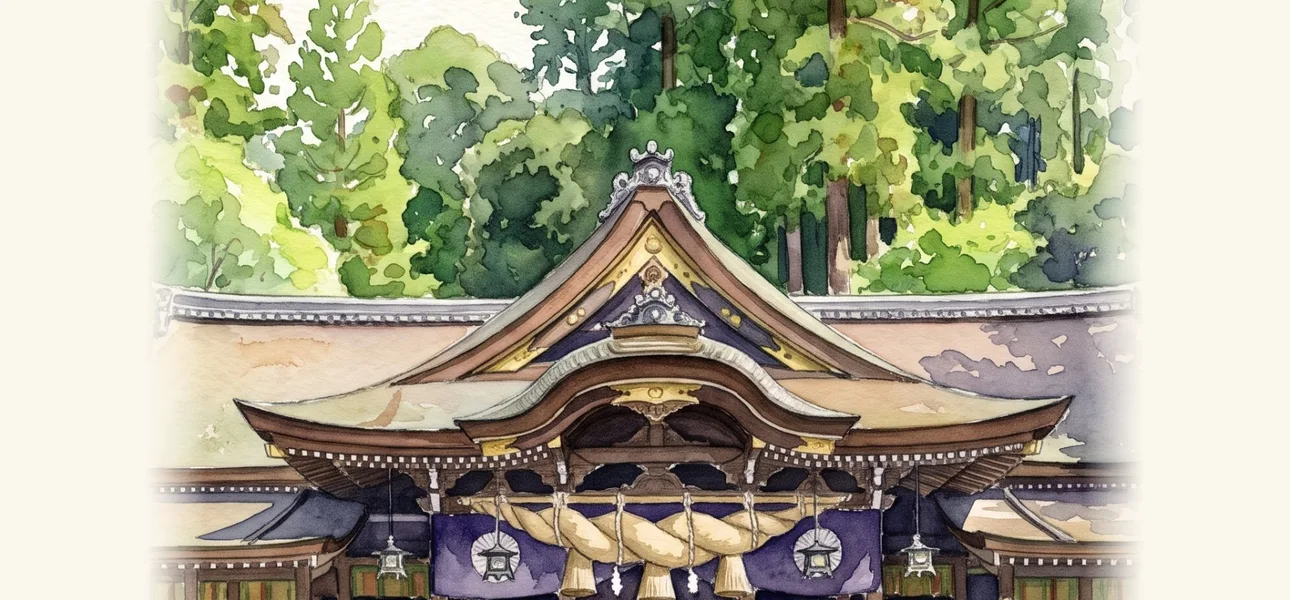
Omiwa Shrine Worship Guide
This comprehensive guide covers the history, divine blessings, Mount Miwa faith, key worship points, Sai Shrine, the Medicinal Well, sacred mountain ascent (Tohhai), recommended crystals, and surrounding attractions of Omiwa Shrine (1422 Miwa, Sakurai City, Nara Prefecture). It's an essential resource for visiting a sacred site that continues to preserve one of Japan's oldest forms of primitive worship.
Ise Grand Shrine Pilgrimage Guide
This comprehensive guide covers the history, blessings, official pilgrimage order (Geku to Naiku), nearby power spots, model itineraries, etiquette, and recommended crystals for Ise Grand Shrine, revered as 'Japan's Chief Guardian Deity.' It's an easy-to-understand, essential guide for first-time visitors.
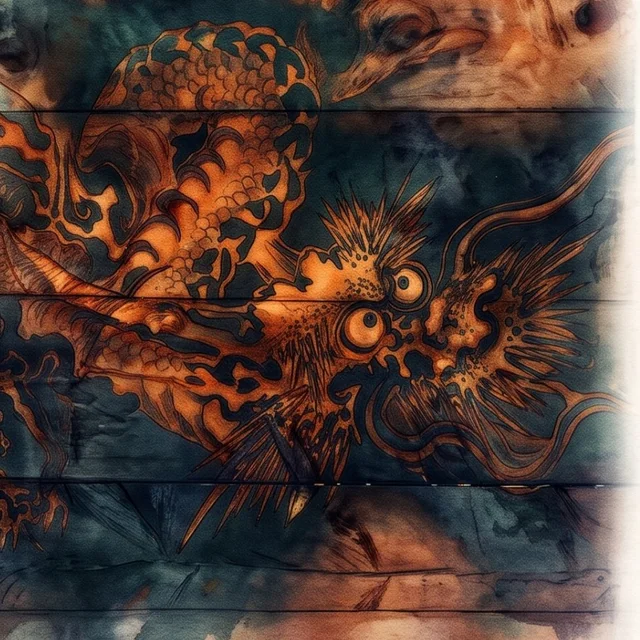
[Hiroo] A Secret Spot in a Stylish Town!? Get 'Miracle Survival Power' and a 'Magical Ink Dragon' at Hiroo Inari Shrine 🐉✨
Just a 2-minute walk from Hiroo Station. We explore the charm of 'Hiroo Inari Shrine,' a different dimension nestled in the embassy district. Sun-chan thoroughly explains its survival power-filled highlights, like Yuichi Takahashi's ink dragon painting and the miracle ginkgo tree, plus good luck advice!
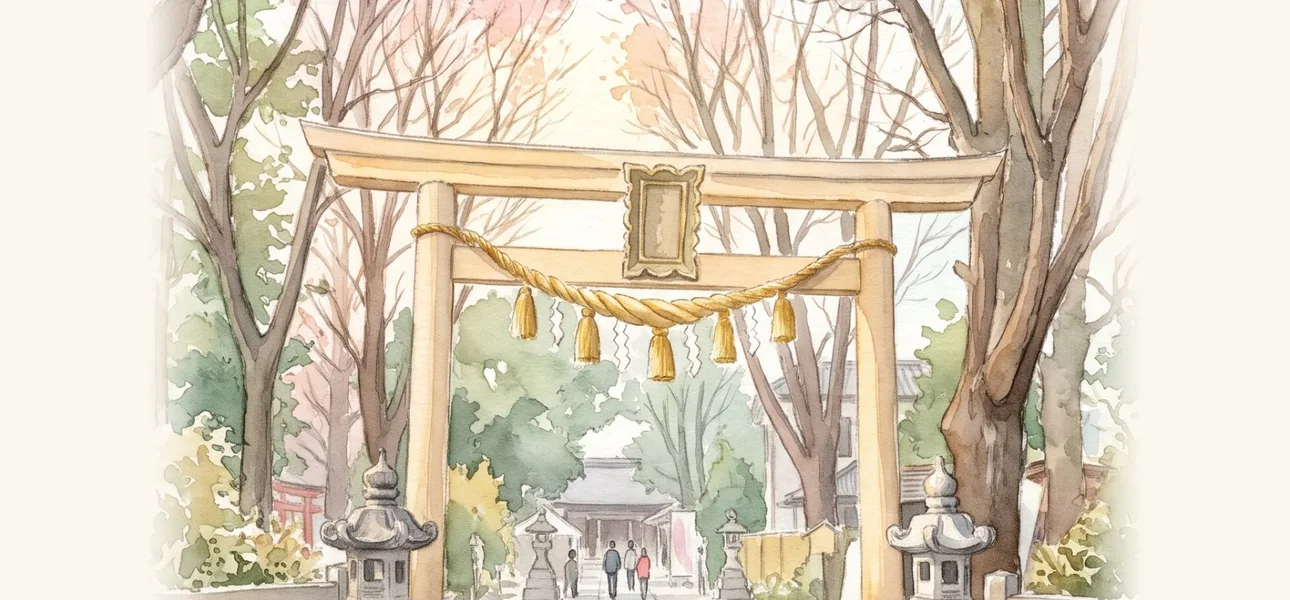
Tokyo's Most Powerful Money Luck Shrine: Hebikubo Shrine
Hebikubo Shrine in Shinagawa, Tokyo, is home to a White Snake deity that sheds its skin and is reborn, and a Dragon God that ascends to the heavens. Sun-chan explains its highlights, including the snake-petting stone and the money-washing ritual, and its blessings for wealth and career success.