
Can You Take Your Crystals into the Bath, Hot Springs, or Ocean? A Guide to Water, Heat, and Salt Concerns
This article contains promotional content.
Is it okay to wear your crystals in the bath, hot springs, ocean, or pool? This comprehensive guide explains the effects of water, heat, salt, and chlorine, provides a quick reference chart for stone-specific dos and don'ts, tips for when you forget to remove them, and warnings about elastic cord degradation.
Table of Contents (Tap to toggle)
Introduction: The Short Answer is "It's Best to Take Them Off"
"Oops, I wore my bracelet into the bath!" "Is it okay to bring my stones to the beach?" These are questions we all face when we wear crystals every day.
To get straight to the point, it's generally best not to take your crystals into baths, hot springs, the ocean, or pools.
Of course, some stones like crystal quartz are known to be quite durable in water, but there are differences depending on the type of stone. However, many stones are vulnerable to one or more of water, heat, salt, or chlorine. The elastic cords and metal clasps on bracelets are particularly susceptible to deterioration in any watery environment. Thinking "the stone looks fine, so I'll leave it on" often ends up shortening your bracelet's lifespan.
In this article, I'll break down the effects of water, heat, and salt by type, and provide an easy-to-understand quick reference guide on "how much is okay for each stone."
Please Note: The "effects" of crystals are cultural and symbolic. They are not medically or scientifically guaranteed. The information regarding the effects on each stone in this article is based on general mineralogical knowledge as a guideline. For care of your precious stones, please also consult with specialists.
① Effects of Water (Tap Water and Bathwater)
Stones Vulnerable to Water
The following stones should generally avoid contact with water due to reasons like being easily soluble, absorbing moisture and changing color, or having copper and iron that can oxidize.
| Stone | Main Risks |
|---|---|
| Selenite (including Desert Rose) | Water-soluble. Said to dissolve and crumble in water. |
| Howlite | Porous, easily absorbs water, risking discoloration and alteration. |
| Malachite | Contains copper. Prone to discoloration and degradation from water and acid. |
| Azurite | Contains copper. Vulnerable to water and salt. |
| Chrysocolla | Contains copper. Said to alter easily with moisture. |
| Larimar | A delicate stone. Moisture can affect its blue color. |
| Angelite | Contains water-soluble components. Surface can become rough. |
| Lapis Lazuli | Especially dyed stones have a high risk of discoloration. |
| Turquoise | Discolors with water, sweat, and cosmetics. Surface coating may peel. |
| Hematite | Contains iron, can rust with water. |
| Pyrite | Contains iron. Prone to oxidation and discoloration with water. |
| Rhodochrosite (Inca Rose) | Said to have a risk of dissolving in acidic water. |
Stones Relatively Durable in Water
Quartz-family stones (around 7 on the Mohs scale of hardness) are generally considered quite durable in water, but it's still best to avoid prolonged immersion.
- Crystal Quartz (Clear Quartz)
- Amethyst (though vulnerable to heat and sunlight)
- Rose Quartz
- Citrine
- Tiger's Eye
- Agate
- Carnelian
Being "durable in water" doesn't automatically mean "bath-friendly." The heat of the bathwater, as well as ingredients in soap and shampoo, can also affect stones and metal fittings. It's safest to simply make a habit of removing your stones before bathing.
② Effects of Hot Springs and Saunas
Hot springs and saunas involve two main factors: "high temperatures" and "chemical components." Both create harsh environments for your stones.
Effects of High Temperatures
| Stone | Heat Risks |
|---|---|
| Amethyst | Known to fade in heat (changing from purple to pale purple or yellow). |
| Rose Quartz | Said to easily lose its color at high temperatures. |
| Fluorite | May degrade or crack due to heat. |
| Amber | Being a resin, it's said to soften and melt at 60-70°C (140-158°F). |
| Pearl | Its protein components undergo thermal denaturation. |
| Opal | Can develop internal cracks (crazing) due to rapid temperature changes. |
| Tourmaline varieties | Some are vulnerable to rapid temperature changes. |
Saunas reach temperatures of 80-100°C (176-212°F) or higher, making it a high-risk environment for almost all stones. Please avoid bringing your stones into a sauna.
Effects of Hot Spring Components
Hot springs contain various components such as sulfur, salt, iron, and carbonic acid. Each affects different stones differently.
| Hot Spring Component | Vulnerable Stones and Materials |
|---|---|
| Sulfur components | Pearls, coral, and silver fittings are prone to blackening. |
| Salt (Chloride Springs) | All metal-containing stones, metal fittings, and elastic cords. |
| Iron (Iron Springs) | White to light-colored stones (e.g., howlite, moonstone) risk turning yellow or brown. |
| Strongly Acidic Springs | Calcite-family stones (e.g., calcite) and malachite are prone to dissolving. |
If you bring your stones to a hot spring resort, it's safest to remove them only while bathing and store them in your room.
③ Effects of Seawater and Saltwater
Seawater contains about 3.5% salt. Salt can cause particularly severe damage to organic stones (those of biological origin).
Stones and Materials Vulnerable to Salt
| Stone or Material | Risks |
|---|---|
| Pearl | Salt causes protein denaturation, leading to a loss of luster. |
| Coral | Calcium carbonate is said to dissolve and discolor from salt components. |
| Amber | Saltwater can cause the surface to turn cloudy white or become rough. |
| Shells | Salt can easily roughen the surface. |
| Malachite and Azurite | Salt causes copper to discolor and corrode. |
| Lapis Lazuli | Saltwater poses a risk of dye and filler leakage. |
| Elastic cords and silicone | Salt accelerates degradation (see below). |
| Metal fittings (including silver) | Salt makes them prone to rust and discoloration. |
Combined Damage from Sand and Sunlight
During sea bathing, not only salt but also direct sunlight, abrasion from sand, and drying can affect your stones. Organic stones (pearl, coral, and amber) are especially delicate, so I recommend not bringing them to the sea.
④ Effects of Pools (Chlorine)
Pool water contains hypochlorous acid (chlorine) for disinfection. Chlorine has an oxidizing effect on organic matter and can damage stones, metal fittings, and elastic cords in general.
| Effect | Details |
|---|---|
| Discoloration | Colored stones (e.g., amethyst, rose quartz) are prone to fading. |
| Metal Corrosion | Silver and gold-plated fittings are prone to discoloration. |
| Elastic Degradation | The elastic cord of bracelets can harden and become more prone to breaking due to chlorine. |
| Damage to Organic Stones | Pearls, coral, and amber are particularly vulnerable to chlorine. |
Stone-Specific Quick Reference Chart: Water Environments OK/NG
| Stone | Bath | Hot Springs | Seawater | Pool |
|---|---|---|---|---|
| Crystal Quartz (Clear Quartz) | △ | ✕ | △ | △ |
| Amethyst | △ | ✕ | △ | ✕ |
| Rose Quartz | △ | ✕ | △ | ✕ |
| Tiger's Eye | △ | ✕ | △ | △ |
| Agate and Carnelian | △ | ✕ | △ | △ |
| Lapis Lazuli | ✕ | ✕ | ✕ | ✕ |
| Malachite | ✕ | ✕ | ✕ | ✕ |
| Turquoise | ✕ | ✕ | ✕ | ✕ |
| Hematite and Pyrite | ✕ | ✕ | ✕ | ✕ |
| Selenite | ✕ | ✕ | ✕ | ✕ |
| Howlite | ✕ | ✕ | ✕ | ✕ |
| Larimar and Angelite | ✕ | ✕ | ✕ | ✕ |
| Opal | ✕ | ✕ | ✕ | ✕ |
| Pearl, Coral, and Amber | ✕ | ✕ | ✕ | ✕ |
| Fluorite | ✕ | ✕ | ✕ | ✕ |
△ = May be acceptable for a short time, but removing is best ✕ = Generally NOT Recommended
It can also vary depending on whether the stone has a coating treatment, so I recommend checking with the store where you purchased it.
The Overlooked Impact on Elastic Cords and Wires
Even if the stone itself is durable in water, the elastic cord or wire of your bracelet presents a separate issue.
- Elastic cords tend to stretch and lose elasticity due to water, sweat, and temperature changes.
- Salt and chlorine accelerate chemical degradation.
- Metal wires can rust or have their coating peel off in water.
- Sulfur in hot springs can cause silver fittings to tarnish and blacken.
There's a risk of your bracelet suddenly breaking because "the stone is fine, but the cord is damaged." Regardless of the type of stone, making a habit of removing your bracelet in watery places will help both the stone and the bracelet last longer.
You can find more detailed information on bracelet lifespan, sizing, and repairs in the Complete Guide to Crystal Bracelets.
What to Do If You Forget to Take Them Off
If you accidentally went for a bath or a swim in the sea while wearing your stones, don't panic! Just try these steps:
- Immediately rinse lightly with fresh water (tap water) to wash off salt and soap residue.
- For water-vulnerable stones (like Selenite), do this quickly, just lightly tracing the surface with water.
- Gently wipe off moisture with a soft towel or cloth (do not rub).
- Allow to air dry in a well-ventilated, shaded spot (avoid hairdryer heat).
- Once completely dry, purification is recommended.
For purification methods, please refer to the Complete Guide to Crystal Purification Methods. Placing them on crystal chips, passing them through white sage smoke, or moonlight bathing are safe purification methods that can also be used for water-vulnerable stones.
Tips for Storage and Care
Make a Habit of Removing Them Before Bathing
Keeping a designated small dish or cloth near your sink makes it easier to remember where to place your removed stones. It's also a good idea to make it a small ritual, thinking of it as "the stones taking a little rest before my bath"!
Wipe Away Sweat and Sebum Regularly
Everyday sweat and sebum can also cause stones to discolor or become cloudy. Simply wiping them with a soft cloth about once a week can help maintain their luster.
Find natural stone cleaning cloths on Rakuten Ichiba
Store Them in Dedicated Cases
Stones can get scratched if they rub against each other. Storing them in individually partitioned cases or cloth pouches is ideal. A location free from direct sunlight, high humidity, and and high temperatures (like inside a drawer) is perfect.
Find crystal storage cases on Rakuten Ichiba
Daily Purification with Crystal Chips
Even for stones that cannot be purified with water or sunlight, simply placing them on crystal chips can cleanse them. Laying crystal chips in your storage area is convenient because it allows for both storage and purification at the same time.
Find crystal quartz chips on Rakuten Ichiba
Frequently Asked Questions (FAQ)
Q. Is it okay to wear them in the daily shower?
It depends on the shower water temperature, duration, and the stone you're wearing. For relatively water-durable quartz-family stones (like clear quartz, amethyst, rose quartz, and so on), short showers are unlikely to cause significant damage. However, ingredients in soap and shampoo can dull or discolor the stone's surface. It's always safest to make a habit of removing them.
Q. Can I bring my stones on a hot spring trip?
Bringing them with you isn't a problem at all! Just make sure to take them off while you're actually bathing in the hot spring, and they'll be fine. You can leave them on the sink in your ryokan room or tuck them into a cloth pouch in your bag. The sulfur in the air at hot spring resorts can also have an effect over a long period, so keeping them in a cloth pouch is a good idea.
Q. Can I clean them with jewelry cleaning solution?
This varies greatly depending on the stone. Jewelry cleaning solutions are NOT suitable for organic stones (pearl, coral, and amber), soft stones (selenite, howlite), or copper-containing stones (malachite, turquoise). For quartz-family stones, using lukewarm water and a mild detergent with a soft brush is generally considered relatively safe, but if you're unsure, dry wiping or crystal chip purification is the safest bet.
Q. My stones got wet in the rain. Is that a problem?
For a brief exposure to rain, if your stone isn't particularly vulnerable to water, it's generally not a big problem. If they get wet, quickly wipe them with a soft cloth and let them air dry naturally. However, in areas with frequent acid rain or during prolonged exposure to rain, they may be more susceptible to effects.
Q. Should I remove them immediately if I sweat?
Sweat is mildly acidic and contains salt. While normal levels of sweat are unlikely to cause immediate effects, for heavy perspiration (after sports, for example), it's best to wipe them clean as soon as possible or remove the stones and quickly rinse them under running water. Lapis Lazuli, Turquoise, and organic stones are particularly vulnerable to sweat.
Q. Can I cleanse my stones by washing them with water?
Cleansing with running water is one common purification method, but it cannot be used for water-vulnerable stones. It should be limited to water-durable stones (like crystal quartz, agate, tiger's eye, and so on), and a duration of about 1 to 2 minutes is generally recommended. For more details, please see the Complete Guide to Purification Methods.
A Little Message from Sun-chan ☀️
Ever panicked thinking, "Oh no, I wore it into the bath!"? Don't worry, it happens! Most of the time, if you rinse it right away and dry it, everything will be just fine! 🌟
The secret to a long relationship with your stones isn't "perfect management," but rather showing them a little kindness, like "gently wiping them if you forget to take them off." I really hope you try that habit of placing your stones in a little dish before your bath! 💛
Summary
- Generally, it's best not to bring your stones into baths, hot springs, the ocean, or pools.
- Water-vulnerable stones (like Selenite, Howlite, Malachite, Larimar, and so on) should avoid even a little water.
- High temperatures in hot springs and saunas pose risks to almost all stones (especially Amethyst, Opal, and Amber).
- Salt and chlorine in seawater and pools accelerate the degradation of not only stones but also elastic cords and metal fittings.
- If you forget to remove them, rinse immediately with fresh water and dry in the shade.
- For daily care, the three-piece set of dry wiping, crystal chip purification, and dedicated case storage provides peace of mind.
Making a habit of handling your stones with care will lead to a long and beautiful relationship with them.
Related Articles You Might Enjoy
Tags
この記事をシェアする
この記事が役に立ったら、SNSでシェアしていただけるととても嬉しいです☀️

Thanks so much for reading! I hope this article brought a little sunshine to your day! See you again soon!
You might also like

Complete Guide to Quartz Types and Meanings
A comprehensive guide to 10 types of quartz: Clear Quartz, Rose Quartz, Amethyst, Smoky Quartz, Citrine, Rutilated Quartz, Phantom Quartz, Lemurian Quartz, Aventurine, and Milky Quartz. Includes quick reference charts for choosing by purpose and color, purification methods, and how to spot fakes. This is your definitive guide to the entire quartz family.
How to Choose Your First Crystal
An introductory guide for crystal beginners on choosing their "first one." This site-wide navigator helps you smoothly reach hub articles and individual stone pages from four routes: birthstone, purpose, intuition, and price.
Crystals You Shouldn't Wear Together? The Truth About Bad Combinations
No bad crystal combination has been scientifically confirmed. See the 3 common 'NG' theories, the physical differences that matter, and how to choose.
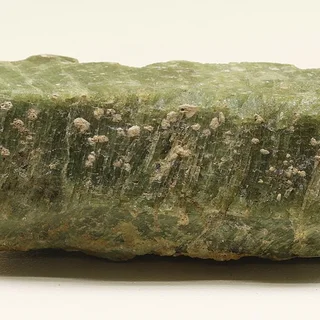

Apatite: Meaning, Stone Lore, and Effects
A comprehensive guide to Apatite: Its meaning, stone lore ('Communication, Academics, Goal Achievement'), effects, who it's recommended for, compatible stones, and purification methods. Discover the basics and practical uses of this 'Blue Guiding Stone' that helps you achieve your goals, all on one page.