
Kifune Shrine Visiting Guide
This article contains promotional content.
A comprehensive guide to Kifune Shrine (Sakyo-ku, Kyoto), covering its history, the water deity Takaokami, the three-shrine pilgrimage of Hongu, Okumiya and Yui-no-Yashiro, the water fortune slips, the dragon hole, the Izumi Shikibu matchmaking legend, access, recommended crystals, nearby spots and FAQ.
Table of Contents (Tap to toggle)
Introduction
Kifune Shrine sits beside the Kibune River, the source of the Kamo River, in the mountains north of Kyoto. It enshrines the water deity Takaokami-no-Kami and has long been called the head shrine of water deities. Famous for the lines of vermilion stone lanterns along its approach, it is also one of Kyoto's most popular matchmaking shrines. This guide covers the history, the three-shrine pilgrimage (Hongu, Okumiya and Yui-no-Yashiro), the water fortune slips, the dragon hole, access and FAQ in one page.
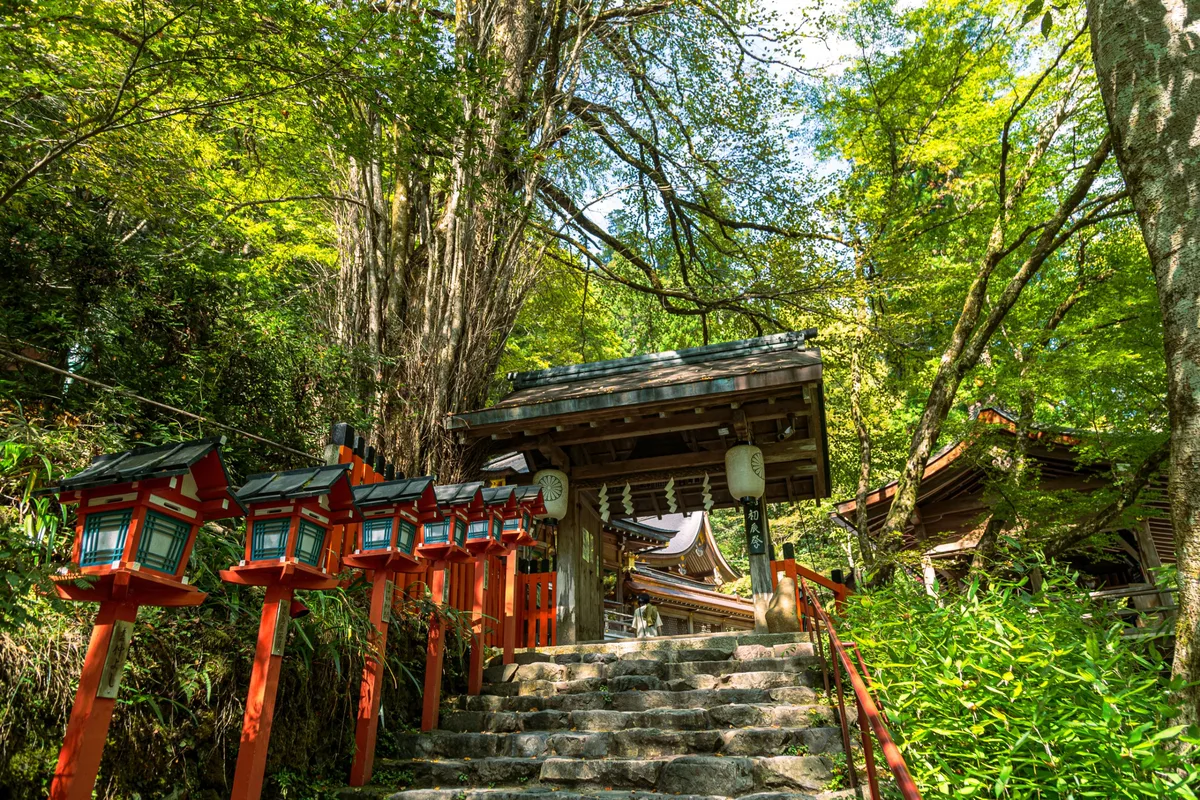
Table of Contents
- Basic Information and Shrine Data
- History and Origins
- Spiritual Benefits
- How to Visit the Three Shrines
- Hongu and the Water Fortune Slip
- Okumiya, the Dragon Hole and the Boat-Shaped Stone
- Yui-no-Yashiro and Matchmaking
- Visiting Tips
- Access
- Recommended Crystals
- Nearby Spots You'll Want to Visit
- Best Time to Visit
- Basic Visiting Manners
- Frequently Asked Questions (FAQ)
- Sun-chan's Postscript
- Related Articles You Might Enjoy
Basic Information and Shrine Data
| Item | Details |
|---|---|
| Official name | Kifune Shrine (Kifune-jinja) |
| Address | 180 Kurama Kibunecho, Sakyo-ku, Kyoto |
| Main deity | Takaokami-no-Kami (Iwanagahime-no-Mikoto at Yui-no-Yashiro) |
| Founded | Unknown; records say the buildings were rebuilt in 677 |
| Structure | Three shrines: Hongu, Yui-no-Yashiro and Okumiya |
| Admission | Free |
| Official site | http://kifunejinja.jp/ |
History and Origins
The exact founding date of Kifune Shrine is unknown, but records are said to show the buildings were rebuilt in 677, so it is considered an old shrine with over 1,300 years of history. A legend says that Tamayorihime-no-Mikoto travelled up the Yodo, Kamo and Kibune rivers in a yellow boat and enshrined a water deity here.
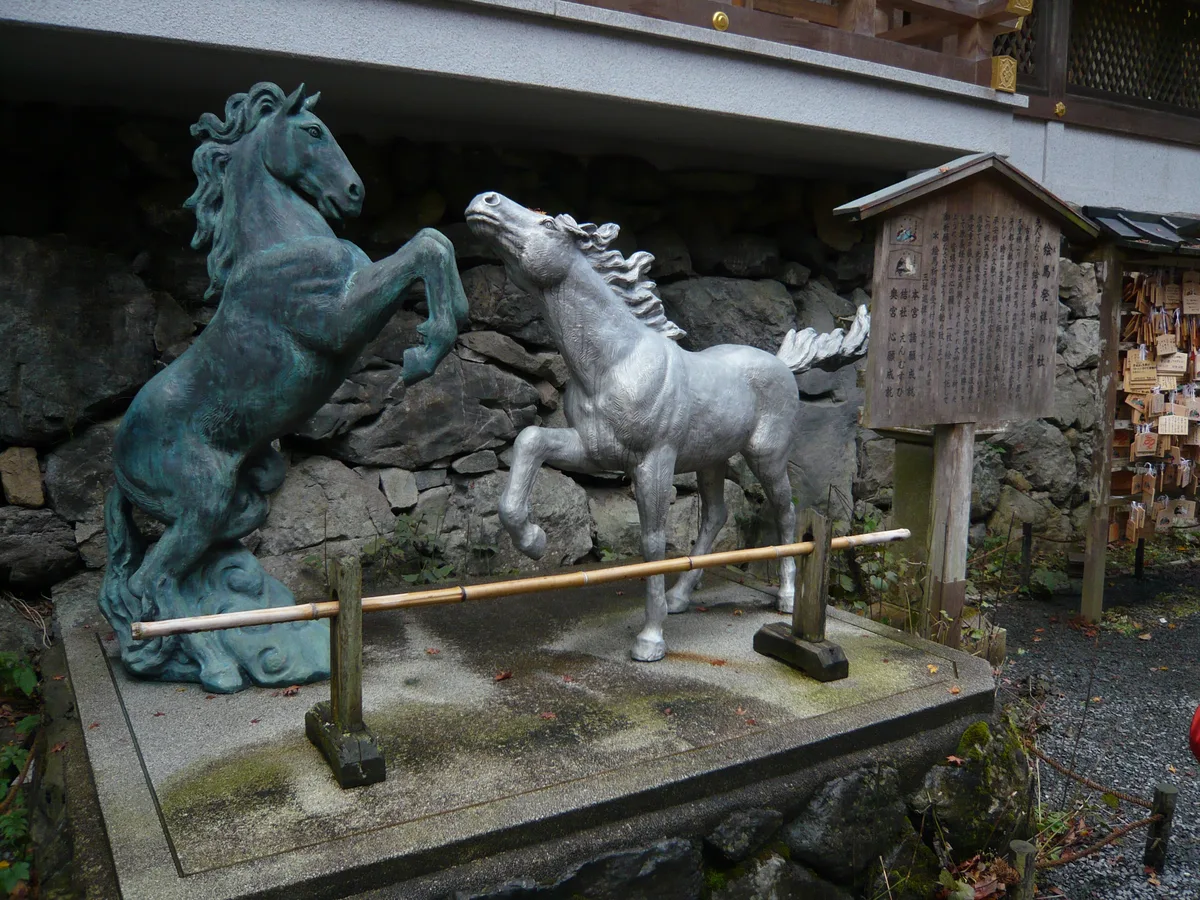
Because the Kibune River is the source of the Kamo River and the shrine lies almost due north of the Kyoto Imperial Palace, it was venerated by successive imperial courts as the guardian of the capital's water. Prayers were offered for rain in droughts and for the rain to stop in long wet spells. It is also said that Emperor Saga offered live horses for these prayers, which later led to the custom of the votive plaque, the ema.
Source: Kifune Shrine official information and travel guides.
Spiritual Benefits
- Good fortune related to water (the water deity Takaokami)
- Matchmaking and good relationships (Yui-no-Yashiro, Iwanagahime-no-Mikoto)
- Fulfilment of wishes
- Business prosperity (said to be popular with people in food and water-related work)
- Refreshing body and mind
How to Visit the Three Shrines
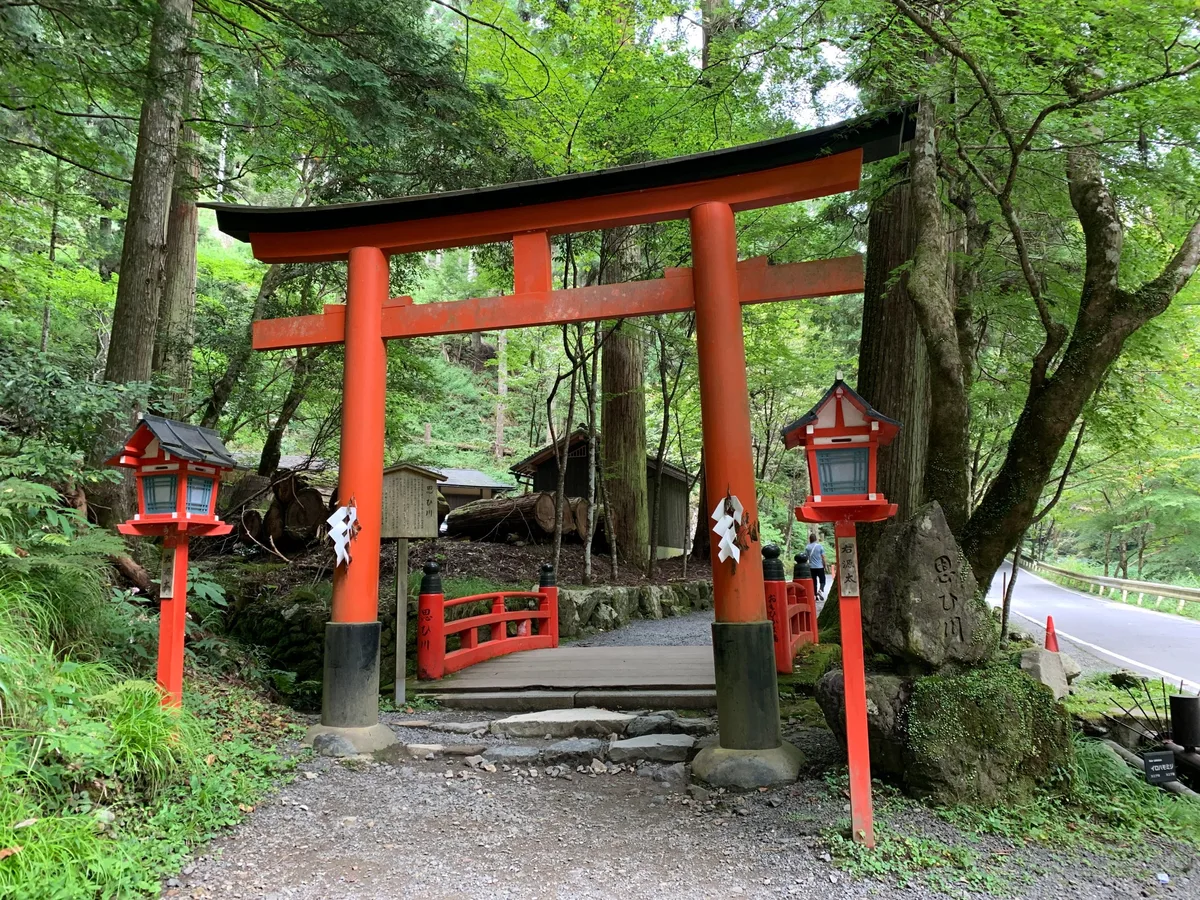
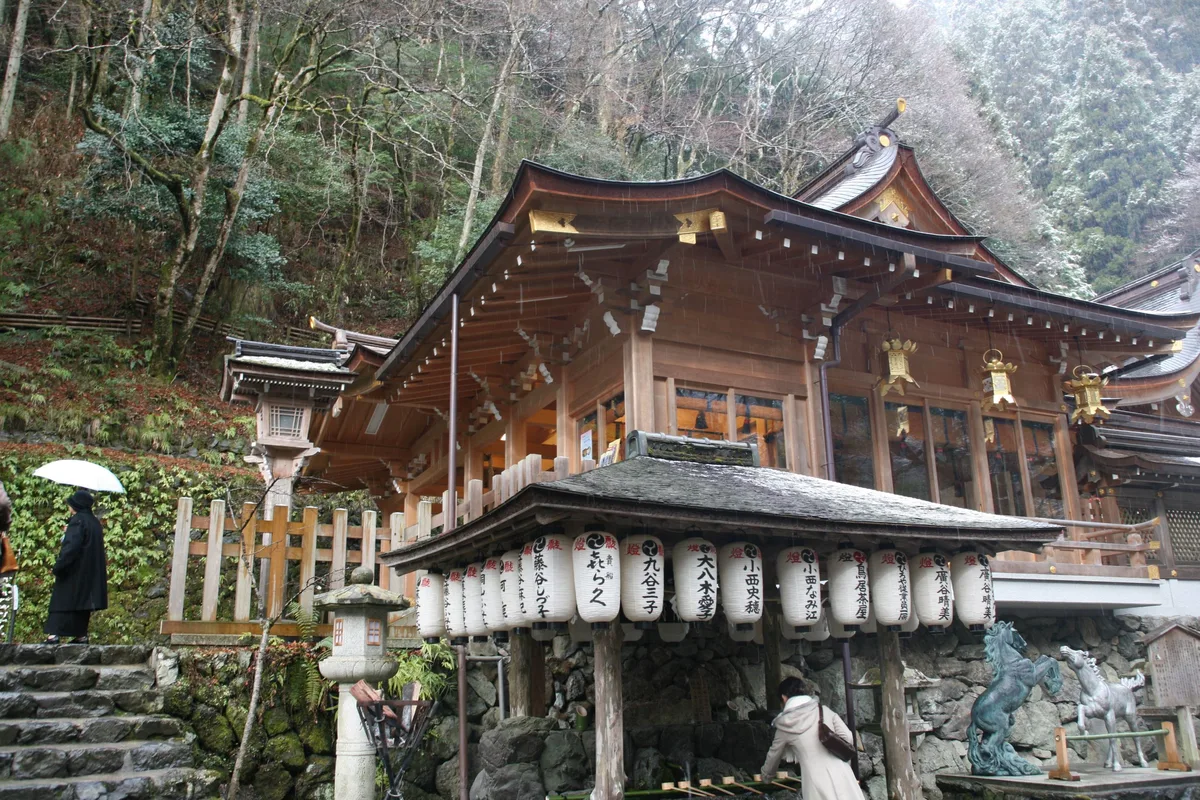
Kifune Shrine has three shrines spread along the Kibune River: Hongu, Yui-no-Yashiro (Nakamiya) and Okumiya.
| Shrine | Features |
|---|---|
| Hongu | Enshrines Takaokami. Sacred spring water and the water fortune slip |
| Yui-no-Yashiro | The matchmaking shrine. Knotted wish letters |
| Okumiya | Said to be the original site. The dragon hole and the boat-shaped stone |
Visiting all three in the order Hongu → Okumiya → Yui-no-Yashiro is said to be best. The walk from Hongu to Okumiya takes about 10 minutes along a quiet riverside path.
Hongu and the Water Fortune Slip
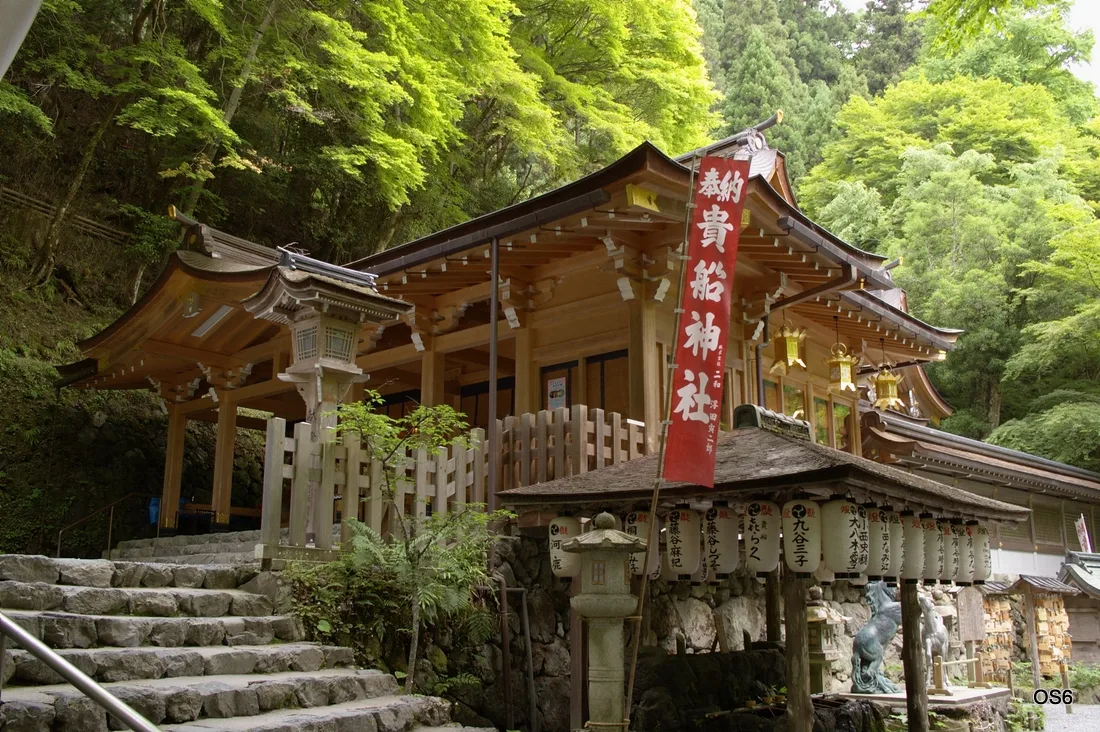
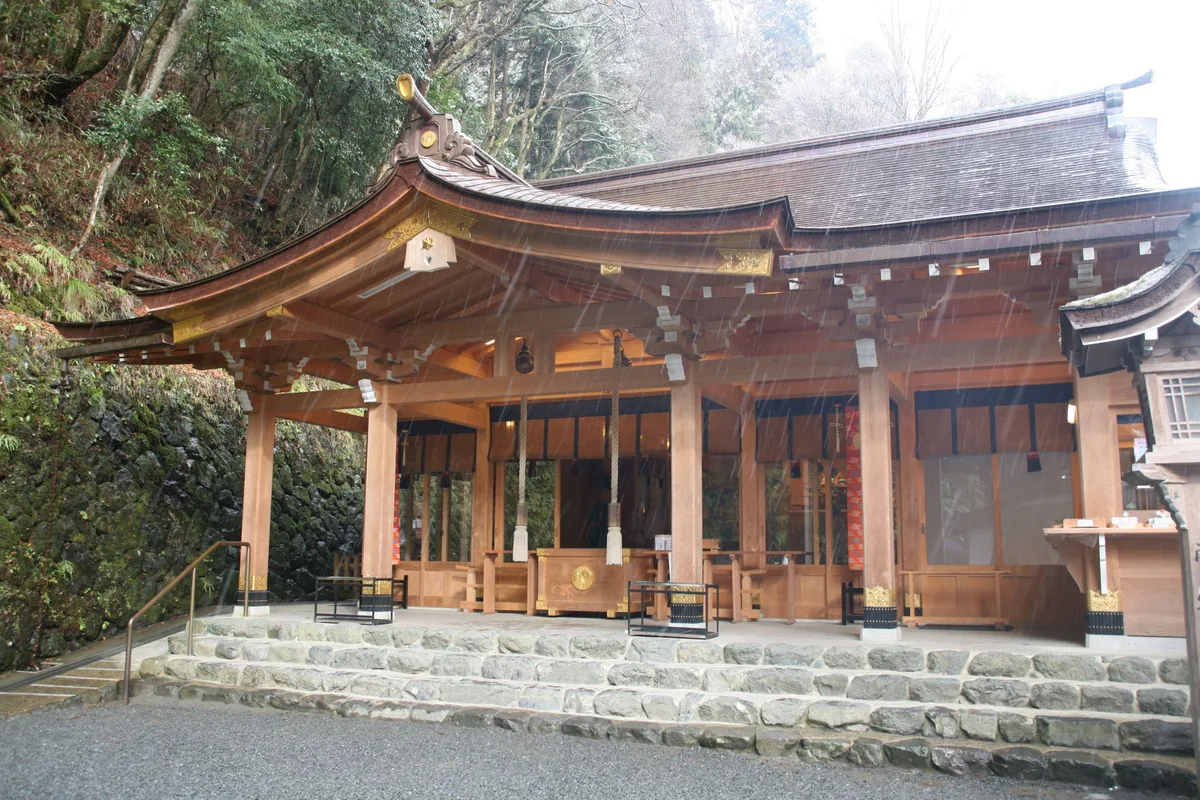
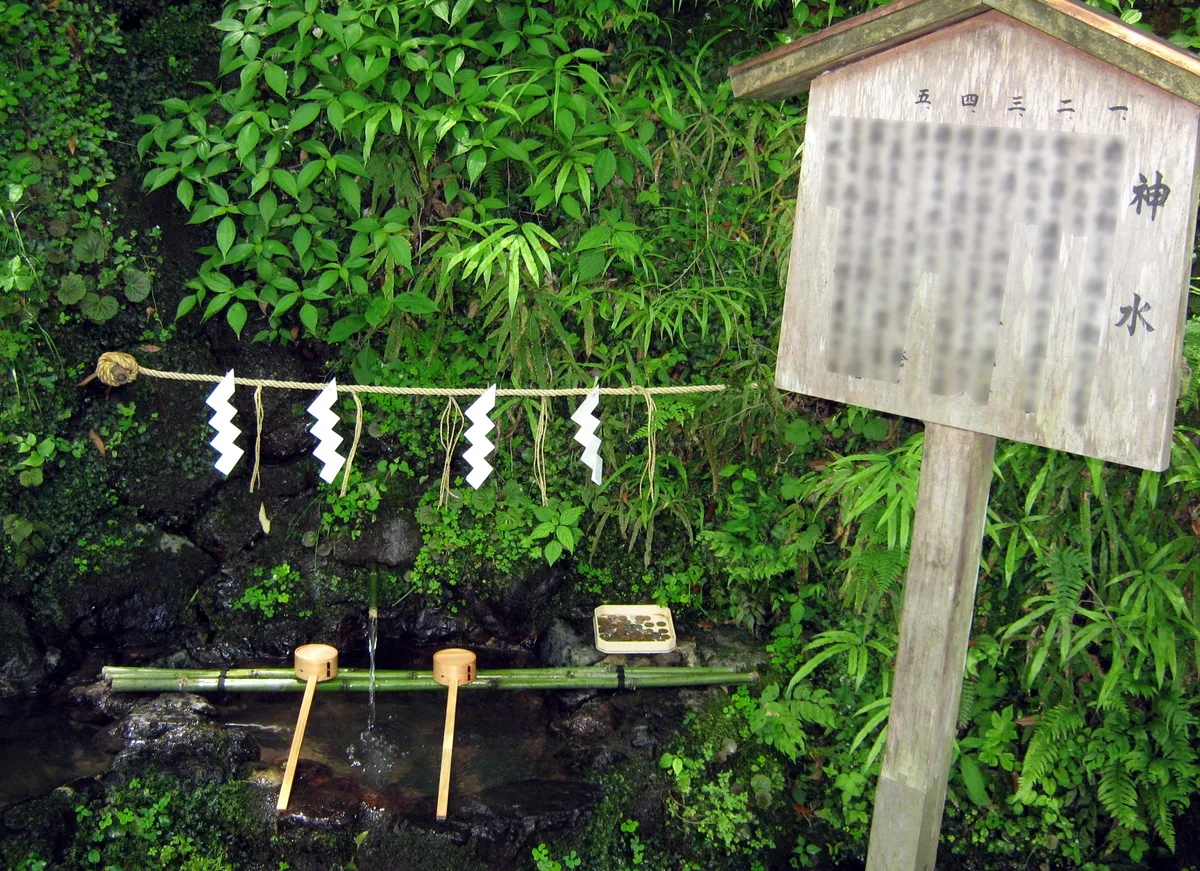
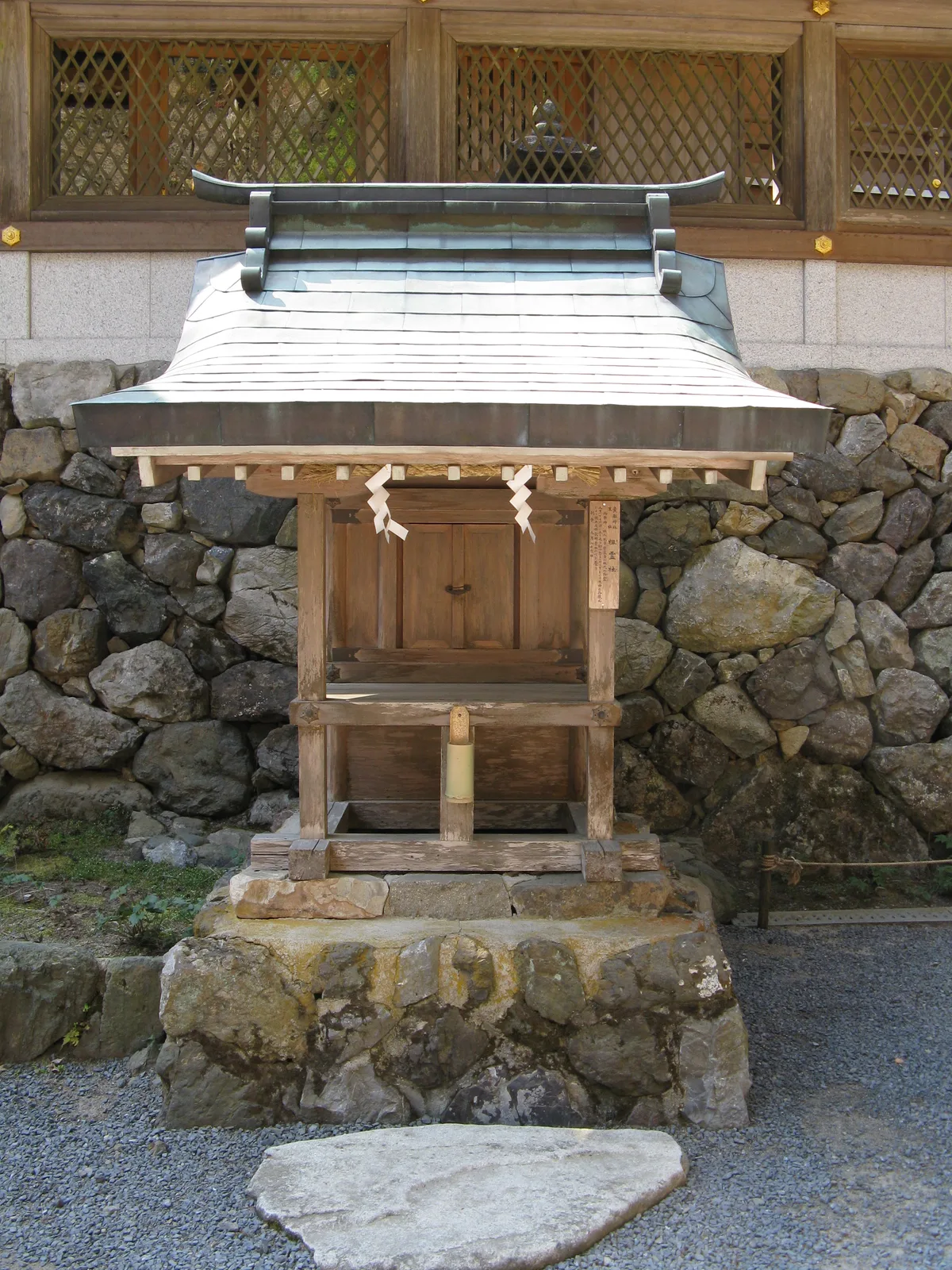
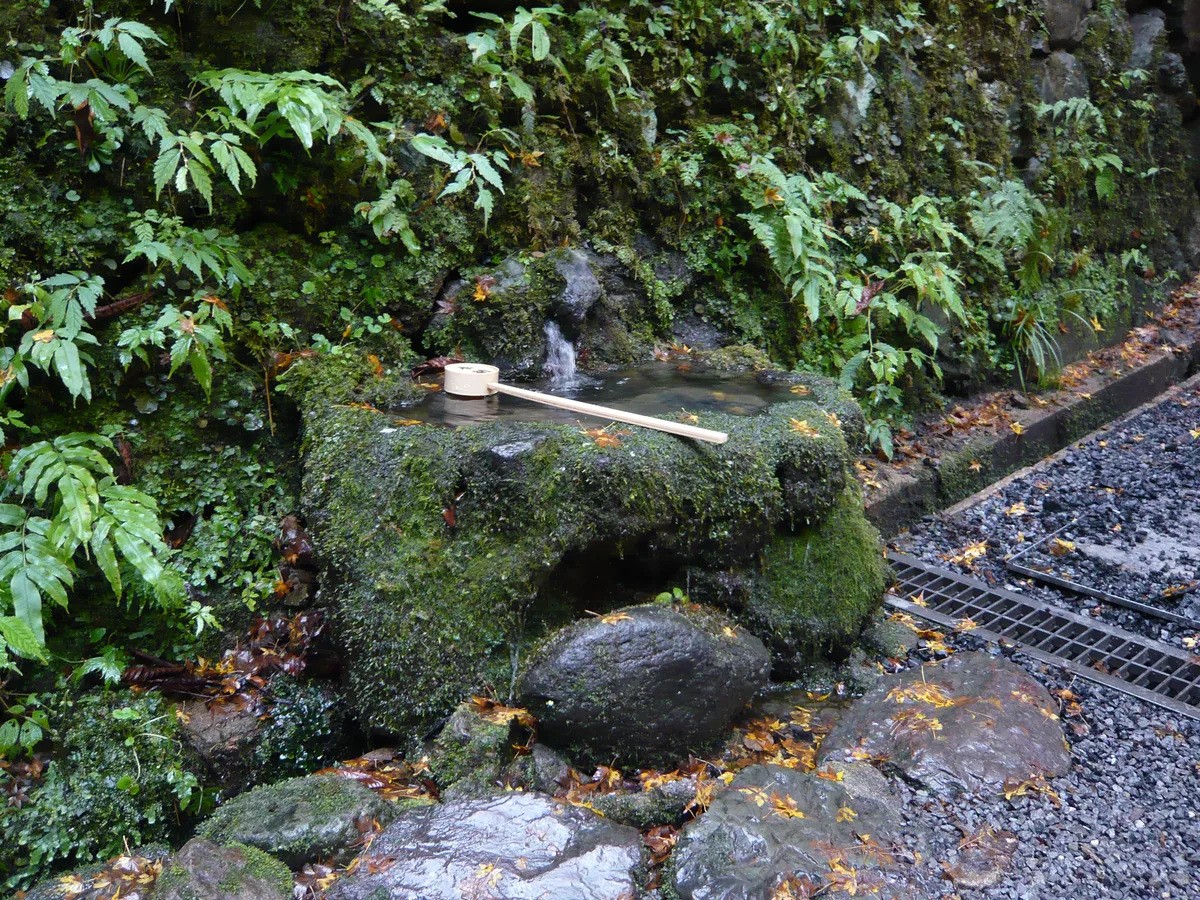
In front of the Hongu hall, clear water from Mt. Kibune flows as sacred spring water. Visitors can draw it freely, and special containers are also available.
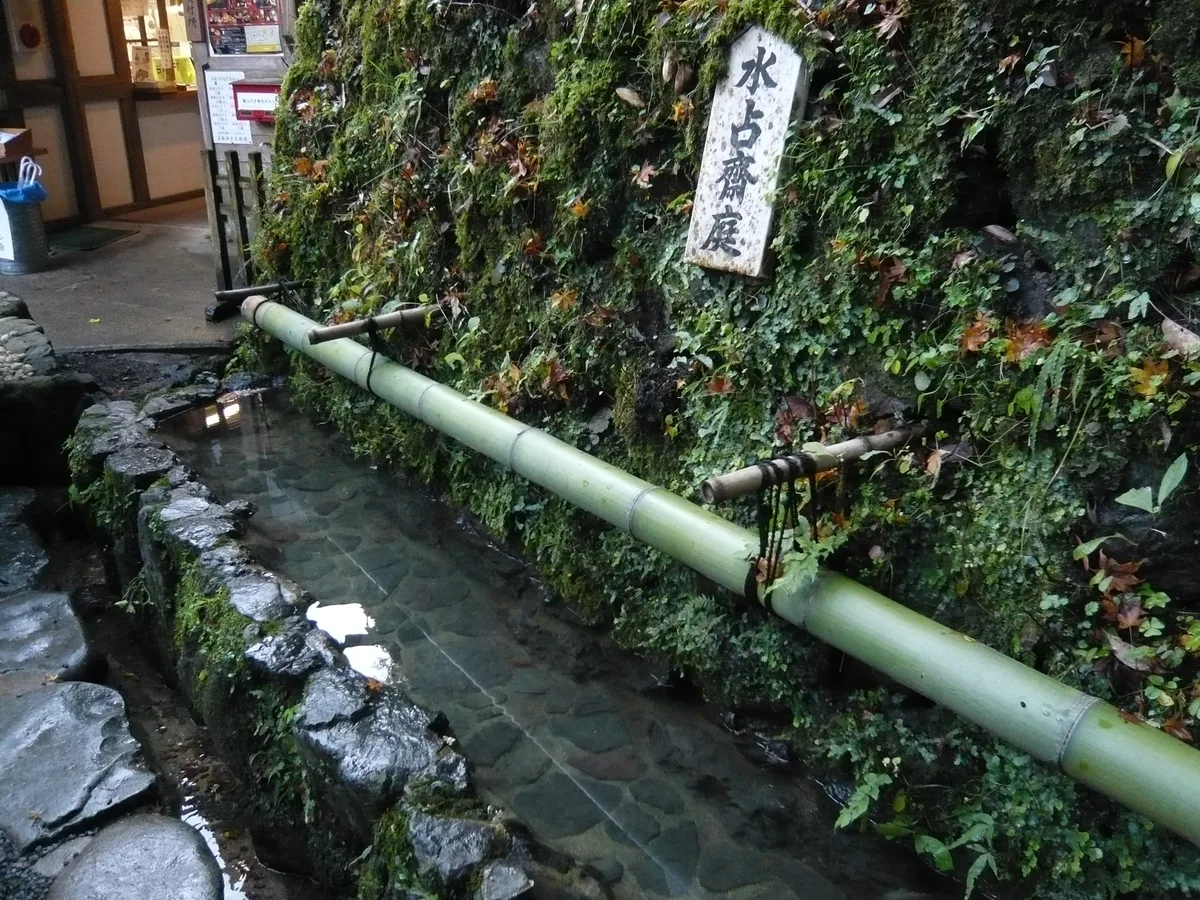
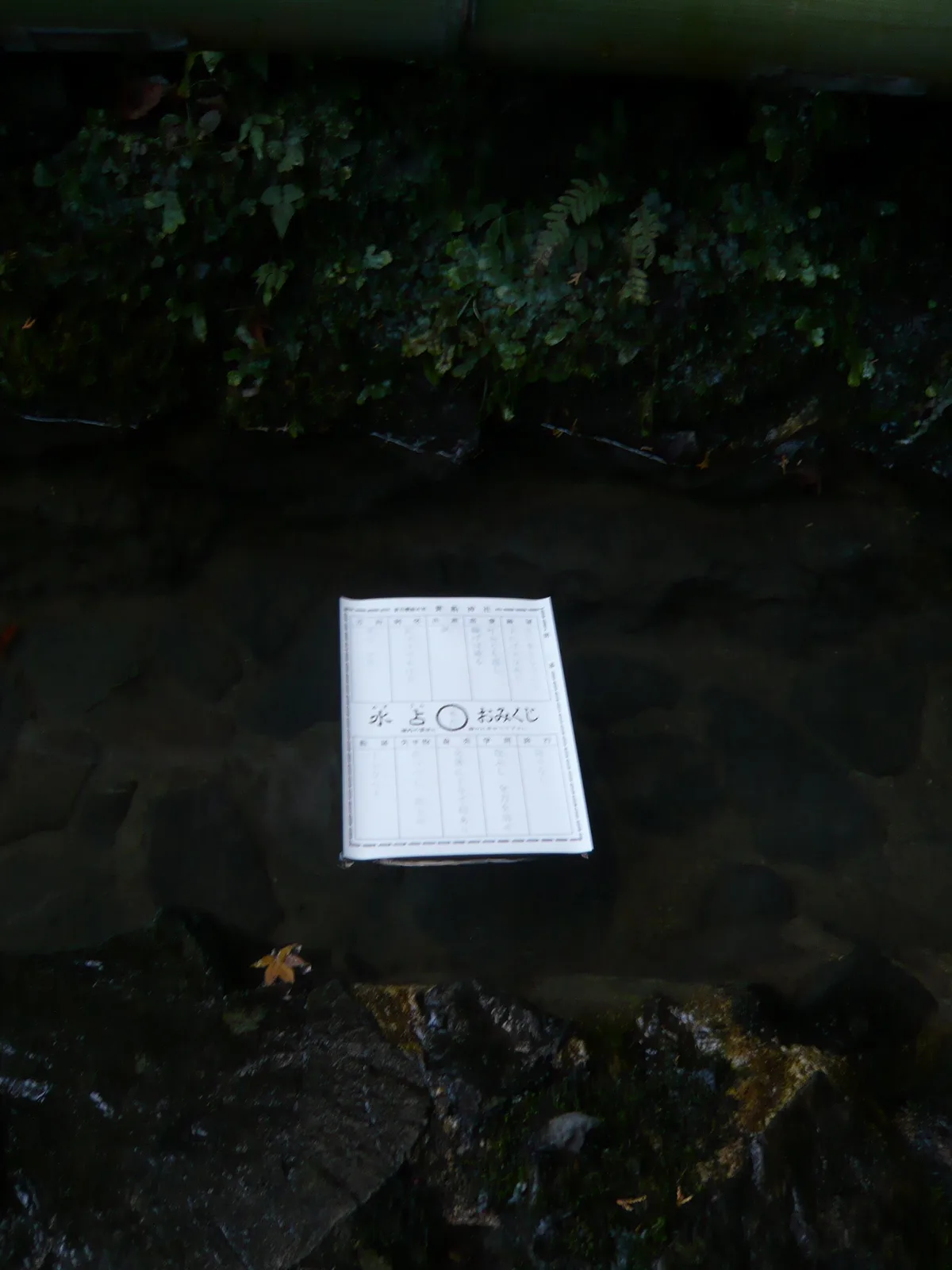
The most popular activity at Hongu is the water fortune slip (mizuuranai-mikuji). A blank slip is floated on the water of the water divination garden, and the text slowly appears, a fortune fitting for a water deity. A QR code on the slip lets you read the result in languages such as English and Chinese.
Okumiya, the Dragon Hole and the Boat-Shaped Stone
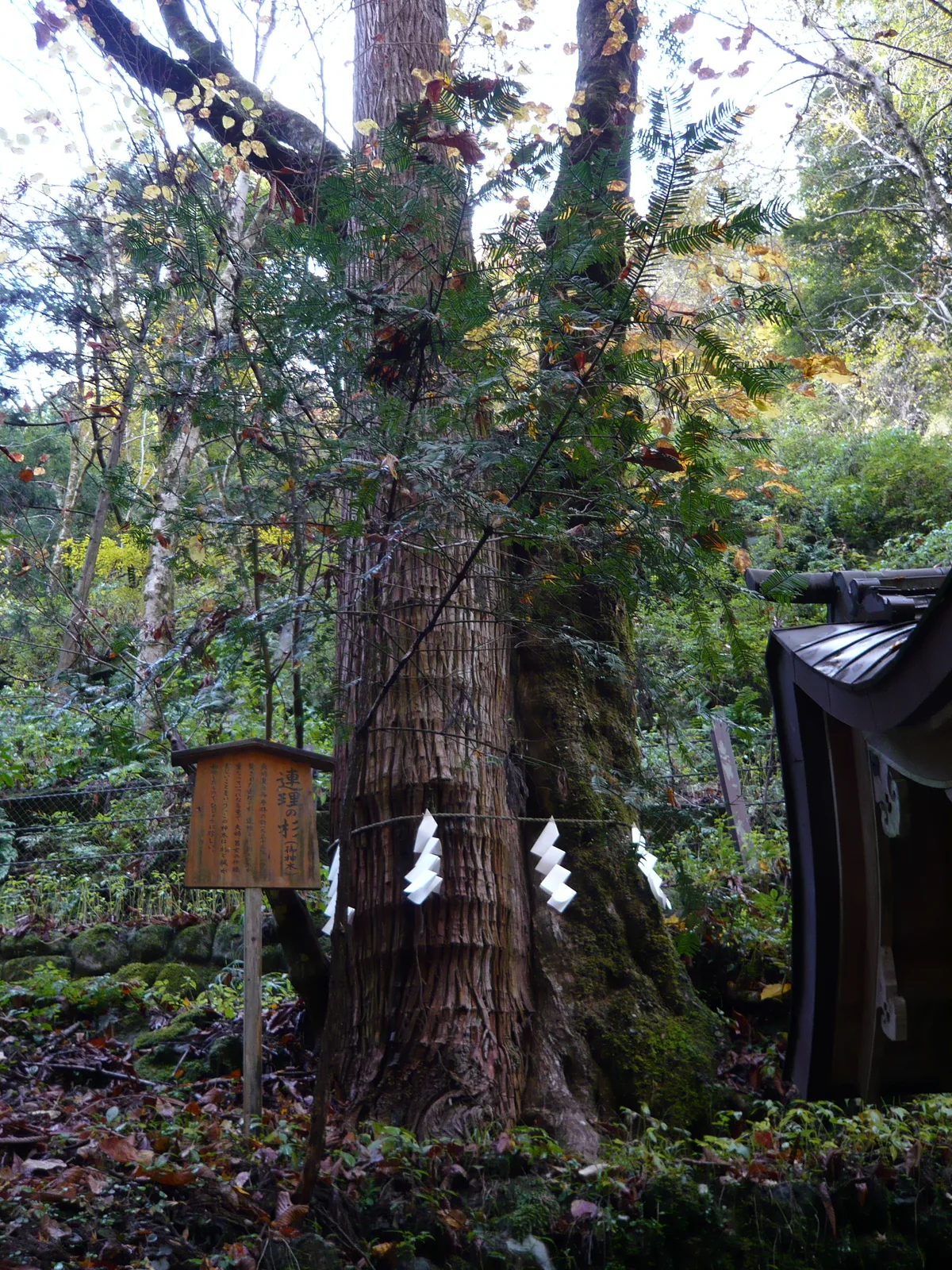
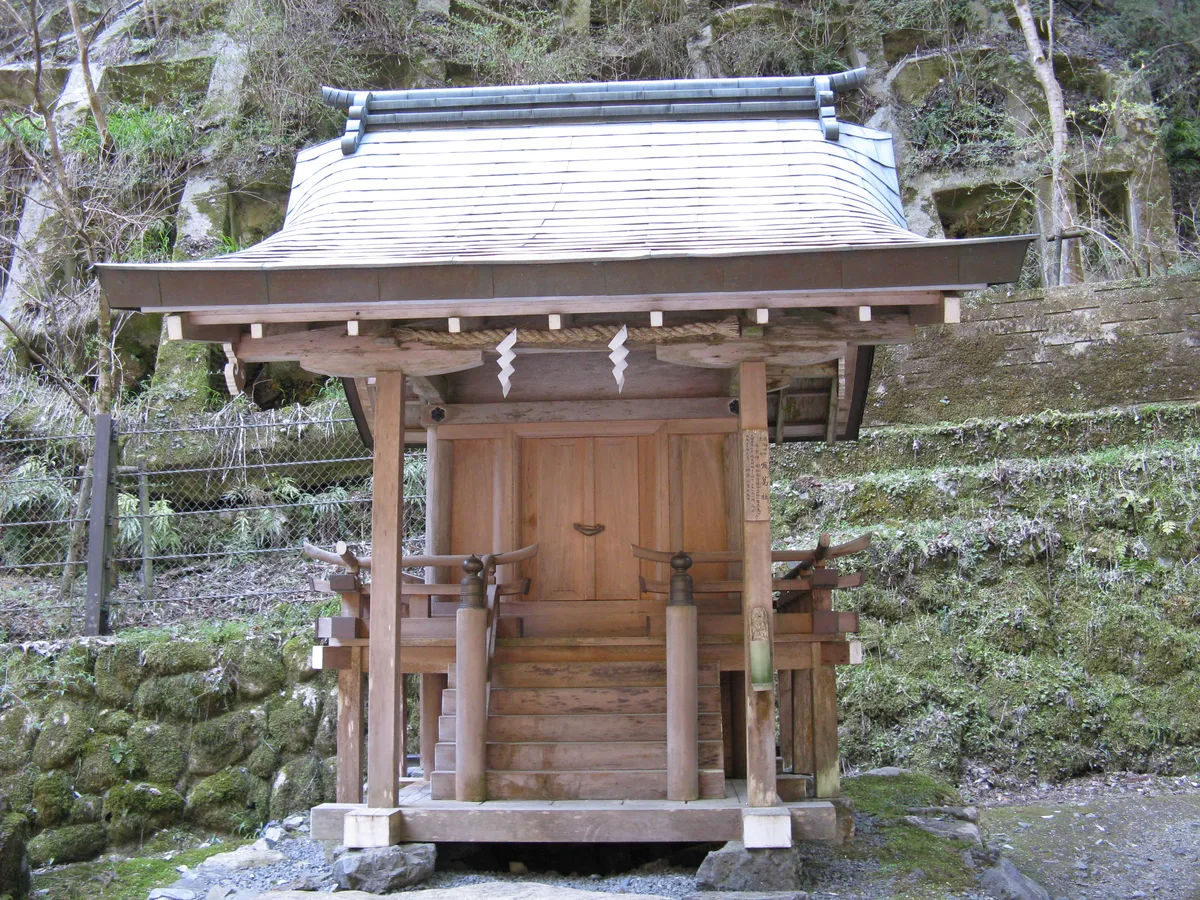
Okumiya is said to be the site where Kifune Shrine was founded, and it was originally the main shrine. Surrounded by deep cedar woods, it has a hushed atmosphere.
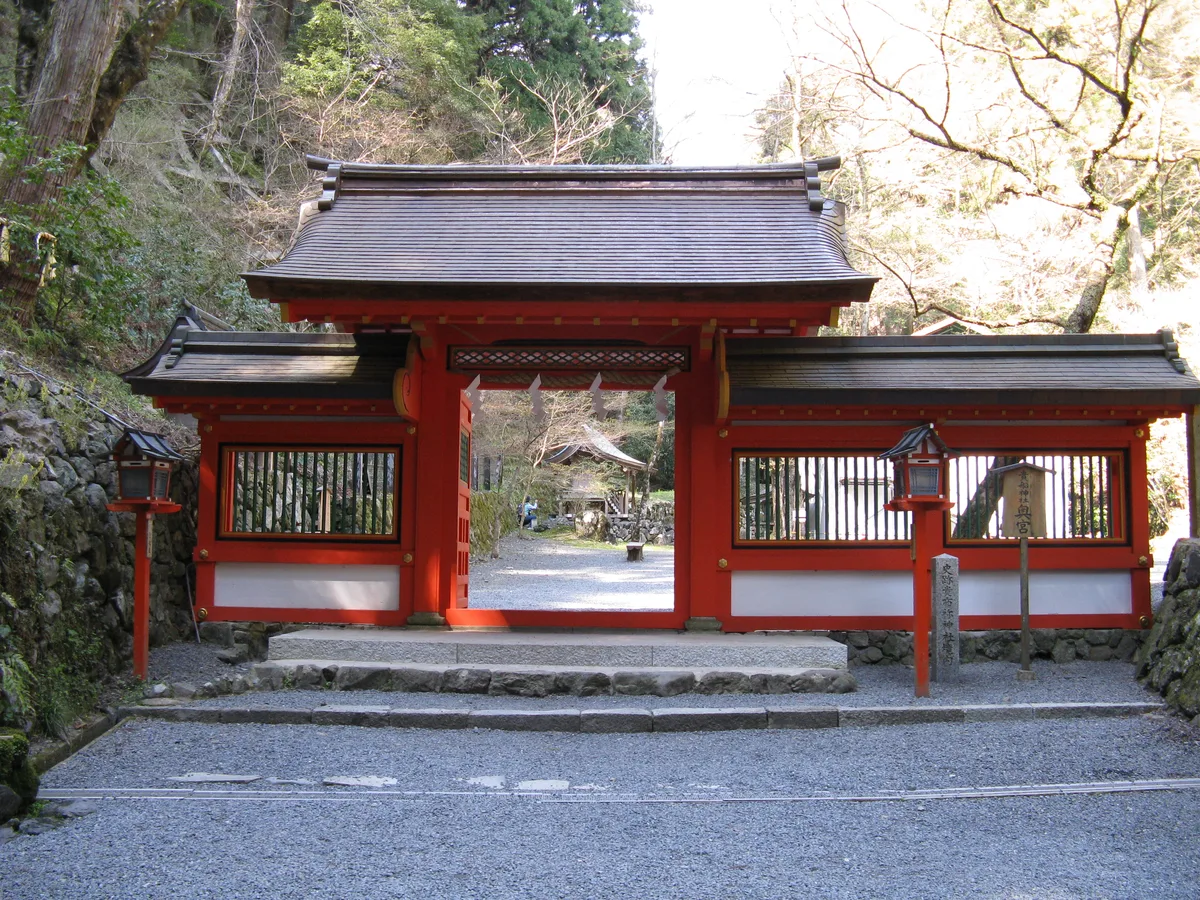
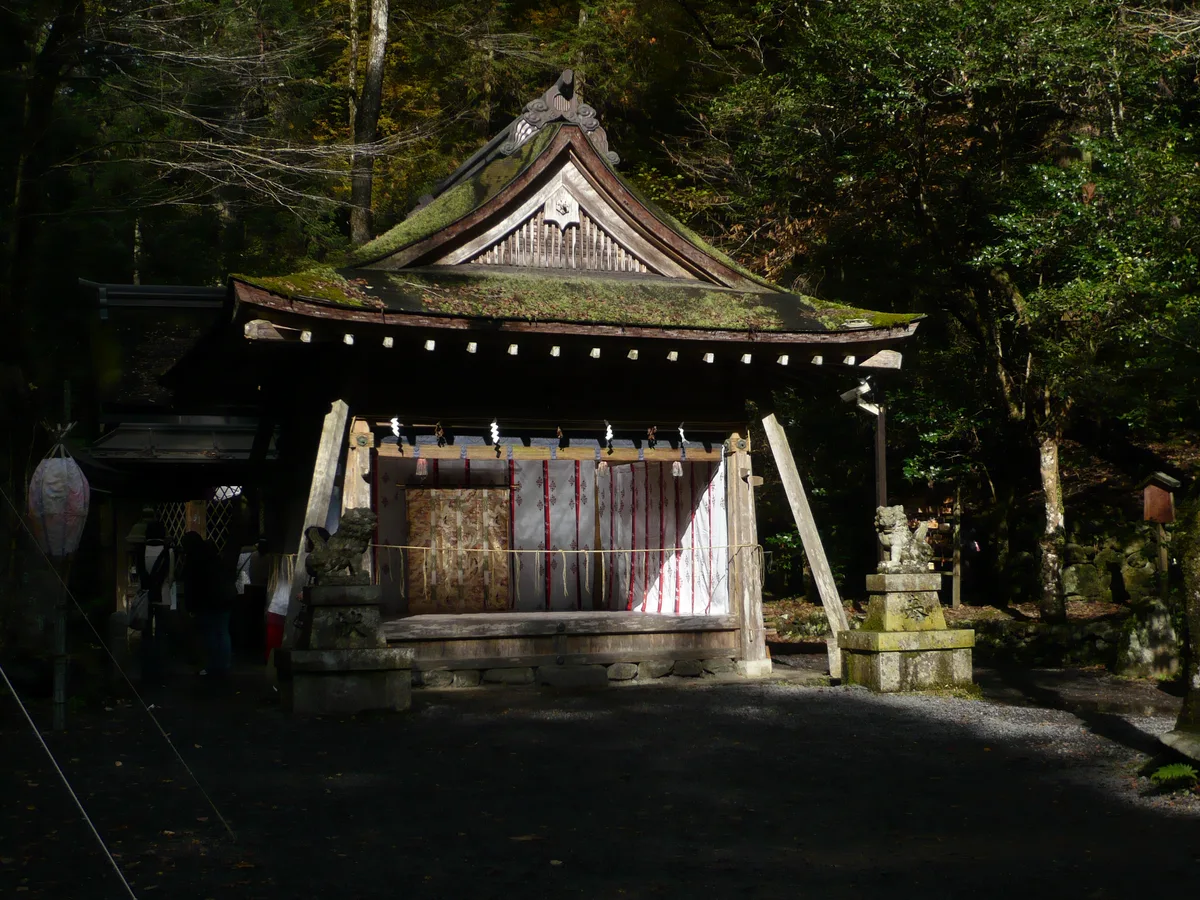
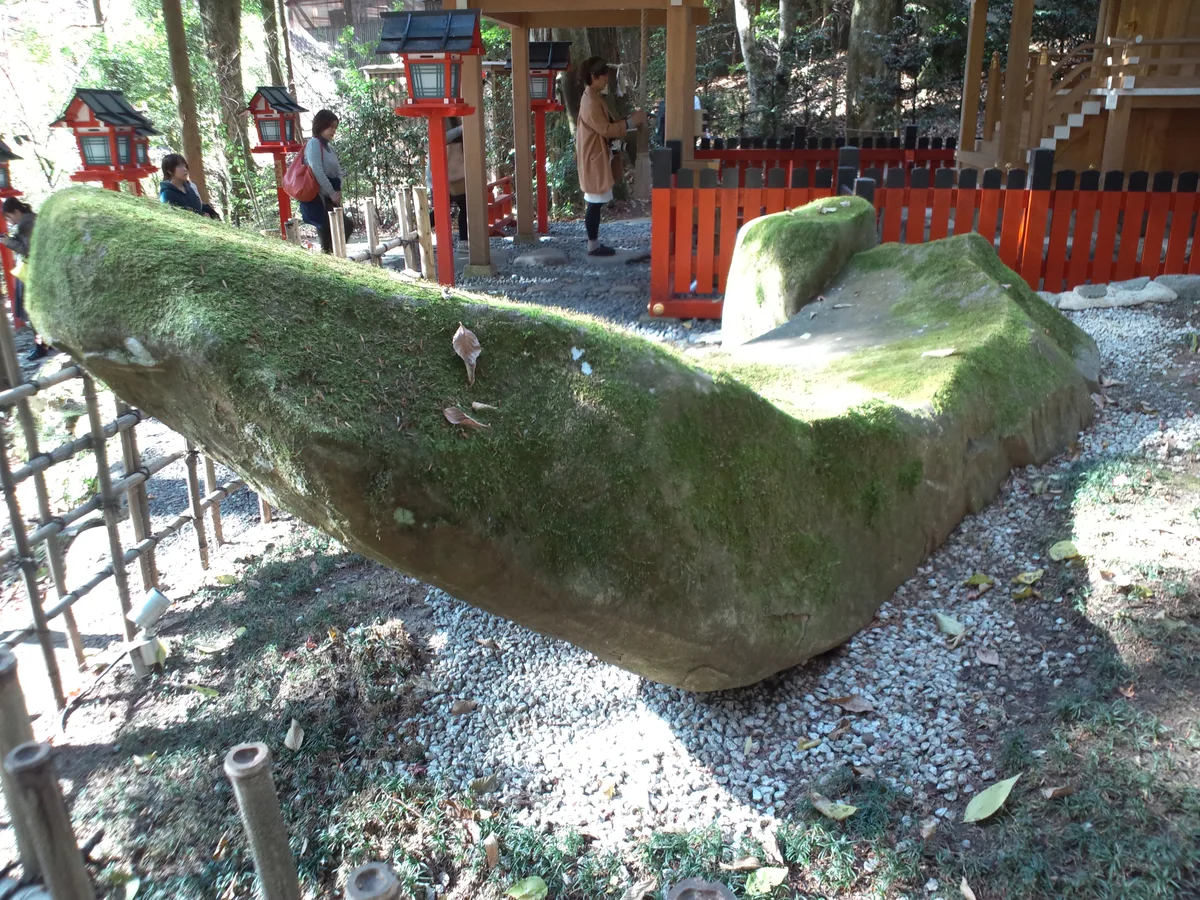
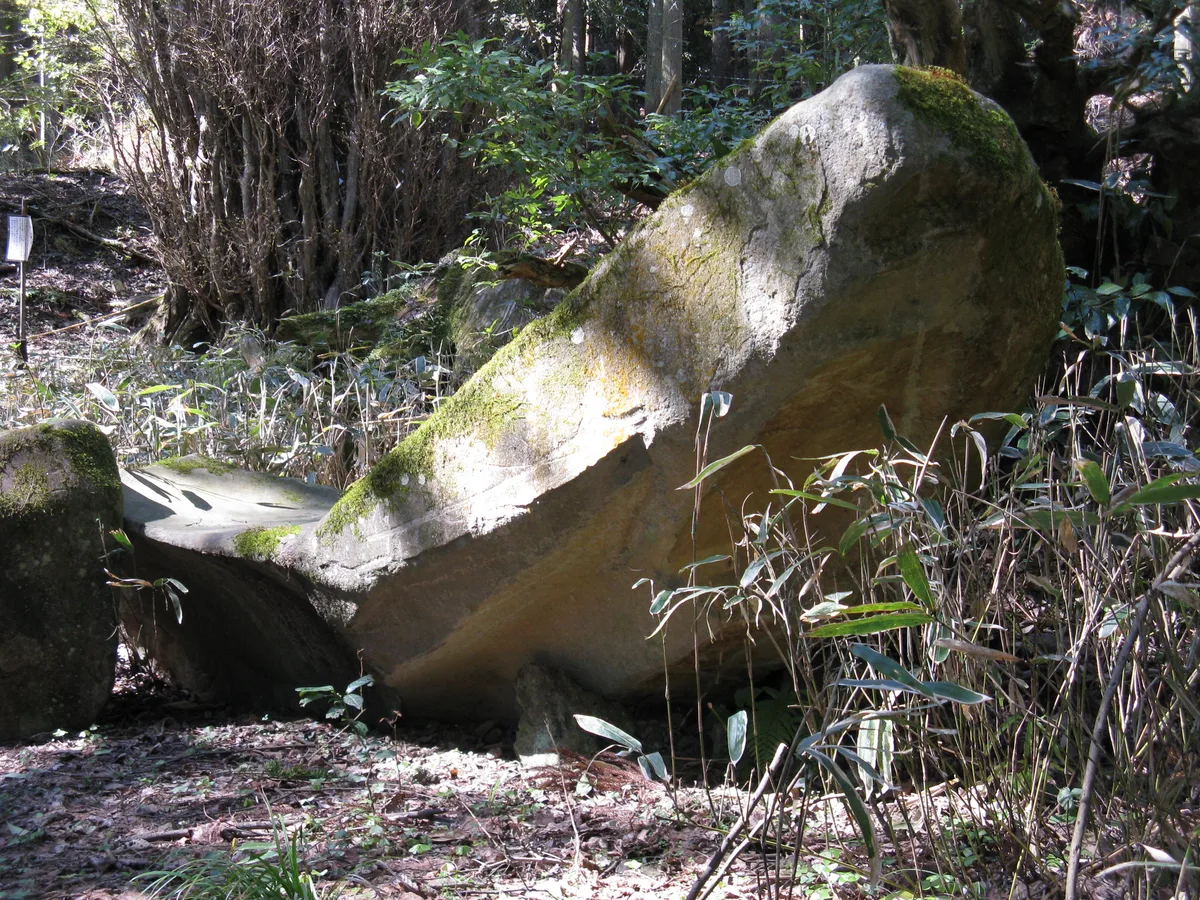
Beneath the main hall is said to be a large hole called the "dragon hole" (ryuketsu), known as a place of strong energy. Please do not peer into it, and simply pray quietly. Beside the hall is the "boat-shaped stone" (funagata-ishi), said to be where Tamayorihime's yellow boat was hidden under stones. It is also revered by people connected with ships and the sea.
Yui-no-Yashiro and Matchmaking
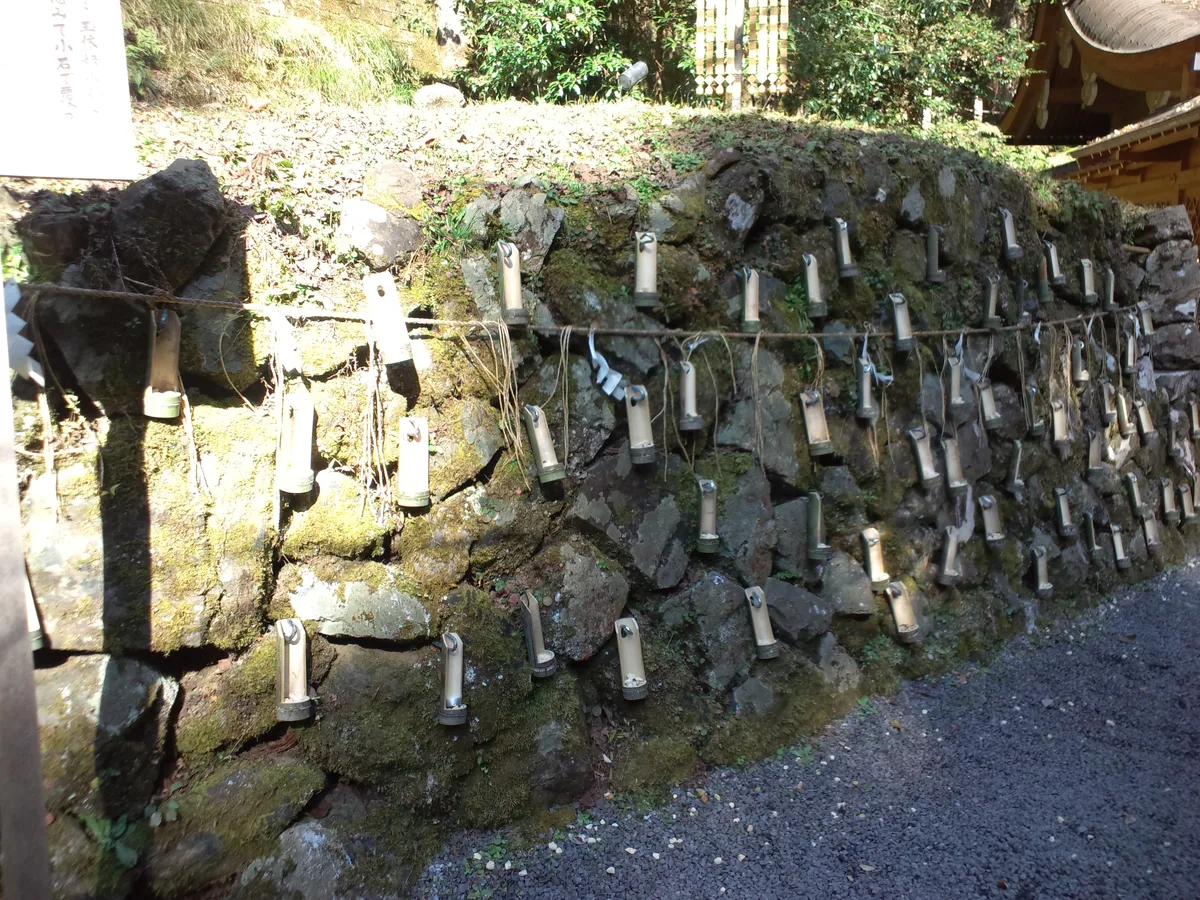
Yui-no-Yashiro, between Hongu and Okumiya, enshrines Iwanagahime-no-Mikoto, a deity of good relationships, and has been known for matchmaking since the Heian period. A well-known story says that the poet Izumi Shikibu prayed here to reconcile with her estranged husband, and her wish came true. A poem monument for her stands on the grounds.
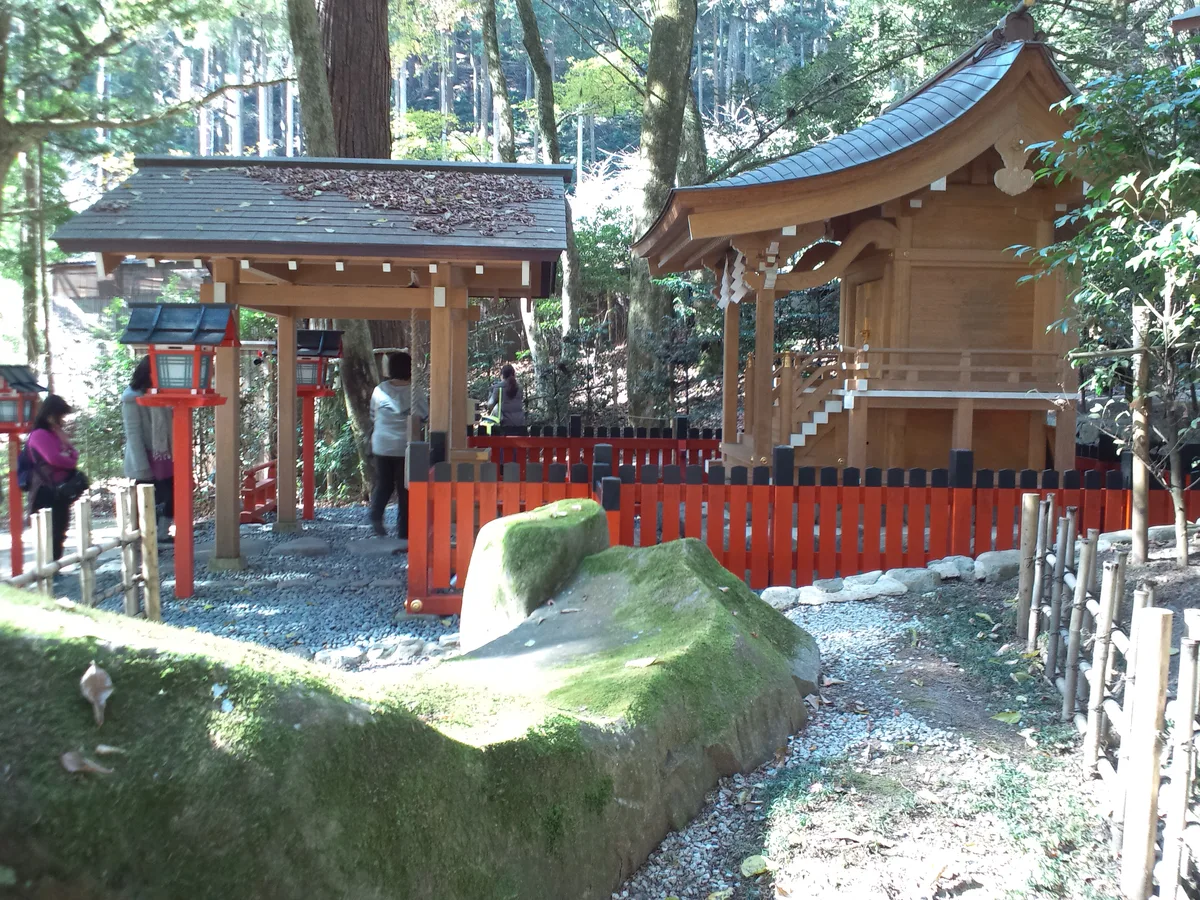
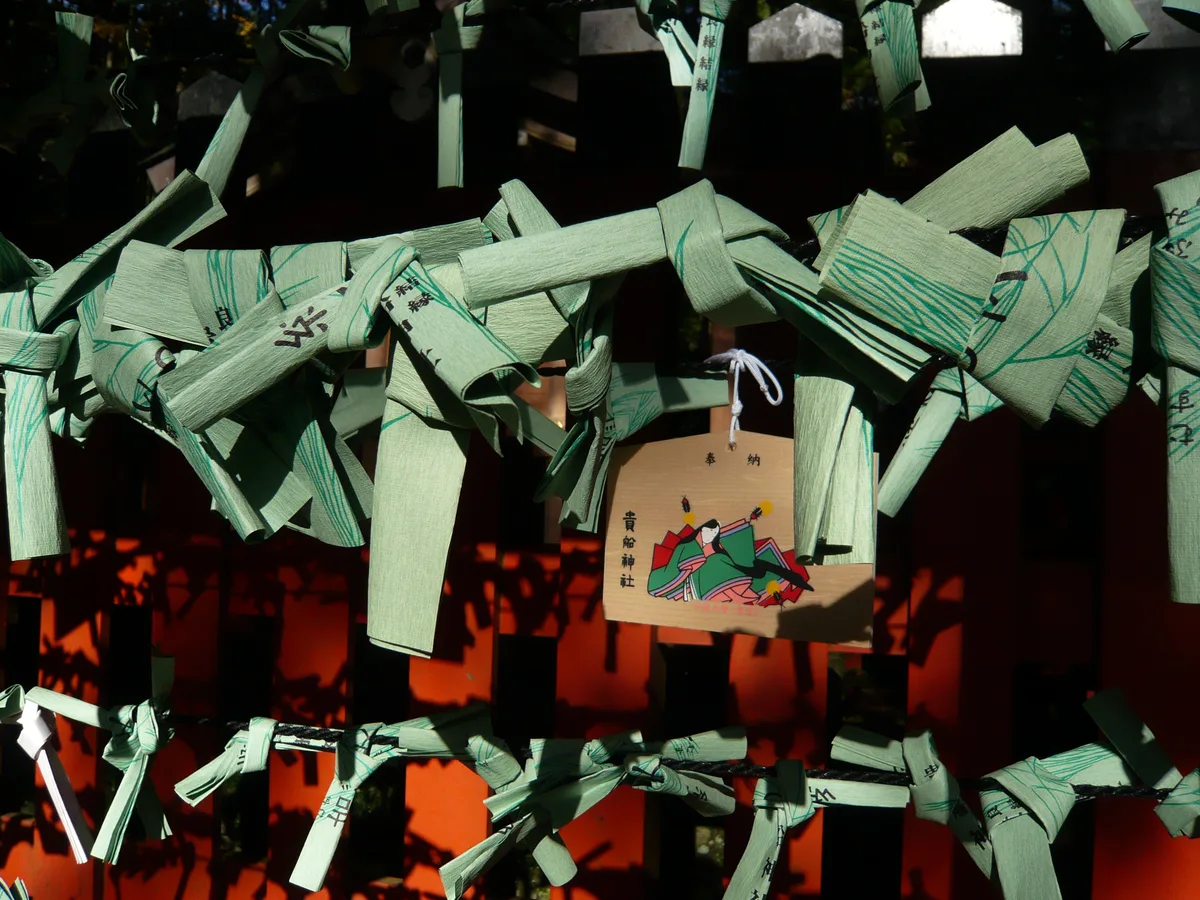
Visitors write a wish and tie a "musubi-bumi" (knotted wish letter). People come to pray not only for love but for good connections of every kind, such as work, people and study.
Visiting Tips
- Visit the three shrines in the order Hongu → Okumiya → Yui-no-Yashiro
- Try the water fortune slip at Hongu
- Do not peer into the dragon hole at Okumiya; pray quietly
- Stone steps can be slippery in rain, so wear comfortable shoes
- It gets crowded in the river-terrace season and in autumn, so go early
Access
By train and bus: take the Eizan Electric Railway Kurama Line to Kibuneguchi Station, then Kyoto Bus Route 33 to the Kifune stop, and walk about 5 minutes.
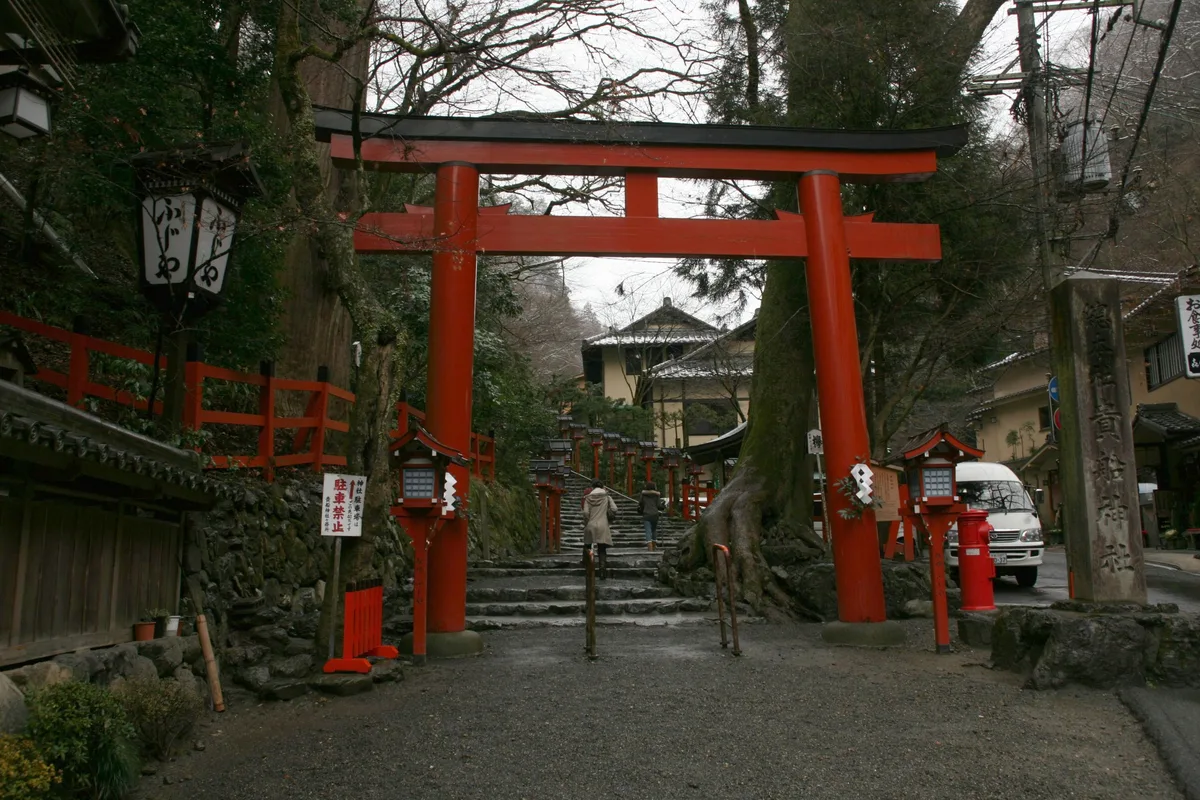
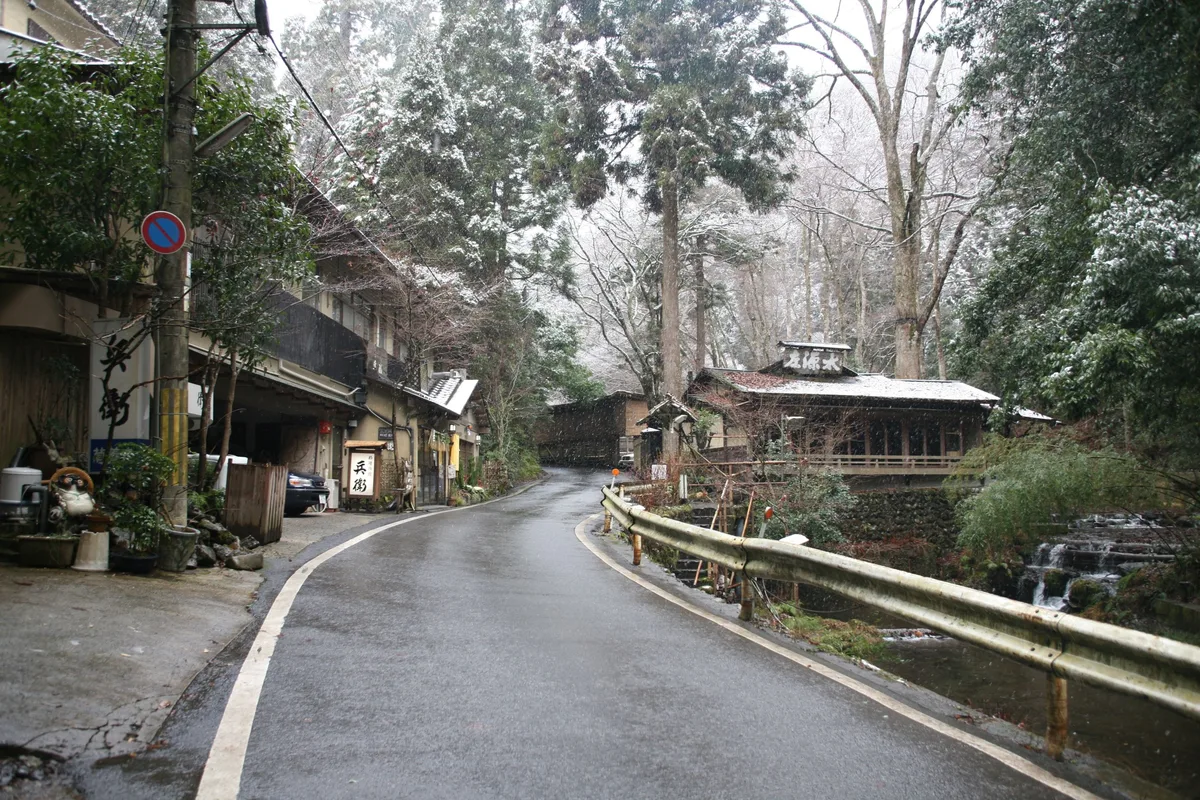
On foot: it takes about 30 minutes from Kibuneguchi Station, mostly uphill.
Parking: There are small paid parking lots near Hongu and Okumiya, but they have few spaces, so public transport is safer.
Opening hours are roughly 6:00-18:00 from December 1 to April 30 and 6:00-20:00 from May 1 to November 30 (the amulet office is 9:00-17:00). They change during light-up periods, so please check the official site.
Recommended Crystals
Stones that are said to resonate with the water deity and matchmaking energy of Kifune Shrine.
| Stone | Reason for Compatibility |
|---|---|
| Aquamarine | A clear water-blue stone fitting for a water deity. |
| Rose Quartz | A stone that symbolizes matchmaking and gentle affection. |
| Clear Quartz | Said to amplify the energy of clear water and sacred ground. |
| Amethyst | Supports intuition and calm. |
Nearby Spots You'll Want to Visit
- Kurama-dera Temple: a popular ridge hike links it with Kifune
- Kibune river terraces (kawadoko): dine over the river in summer
- Eizan Railway, Kibuneguchi to Kurama: scenic mountain line
- Yuki Shrine: an old shrine known for the Kurama Fire Festival
Best Time to Visit
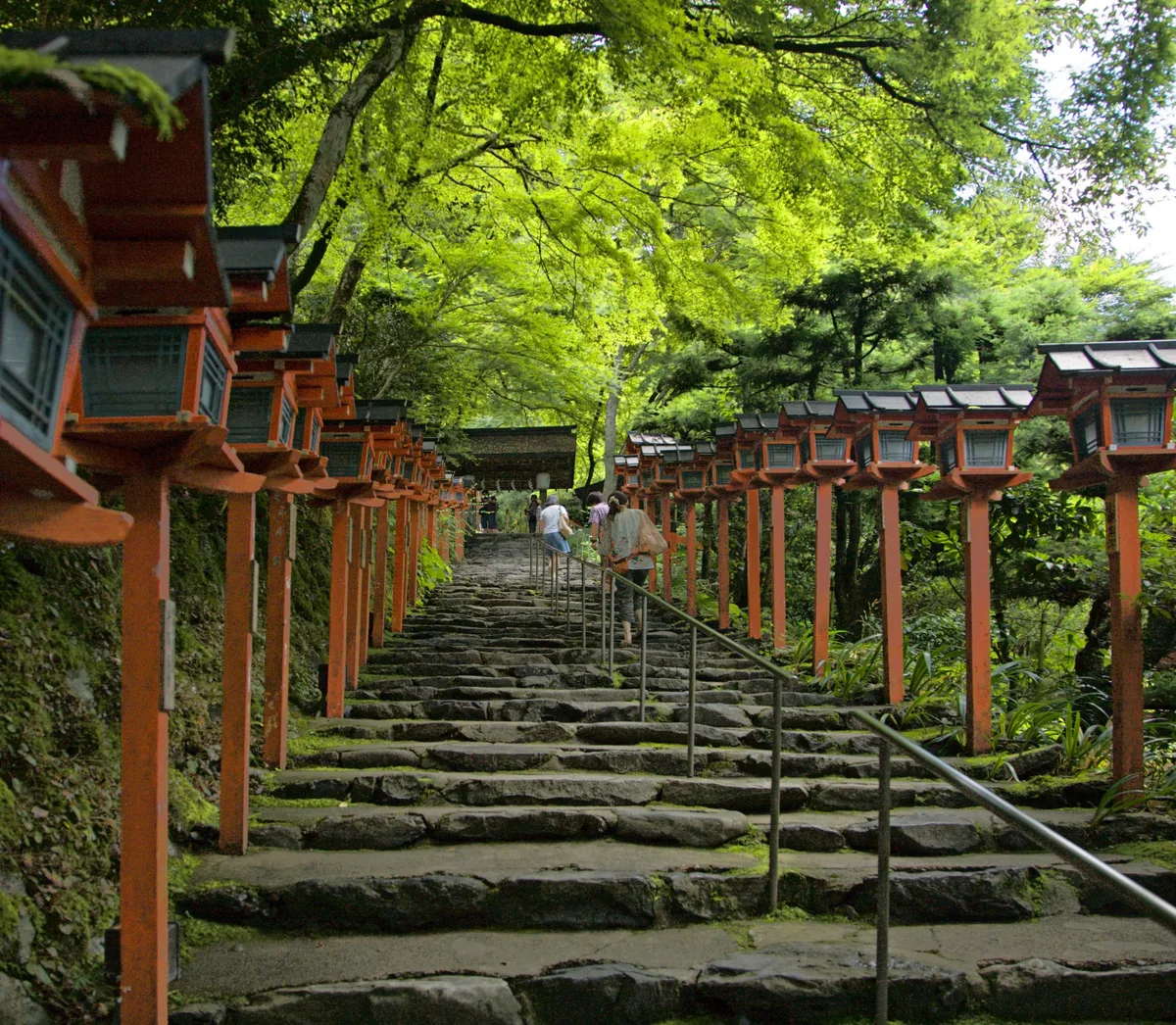
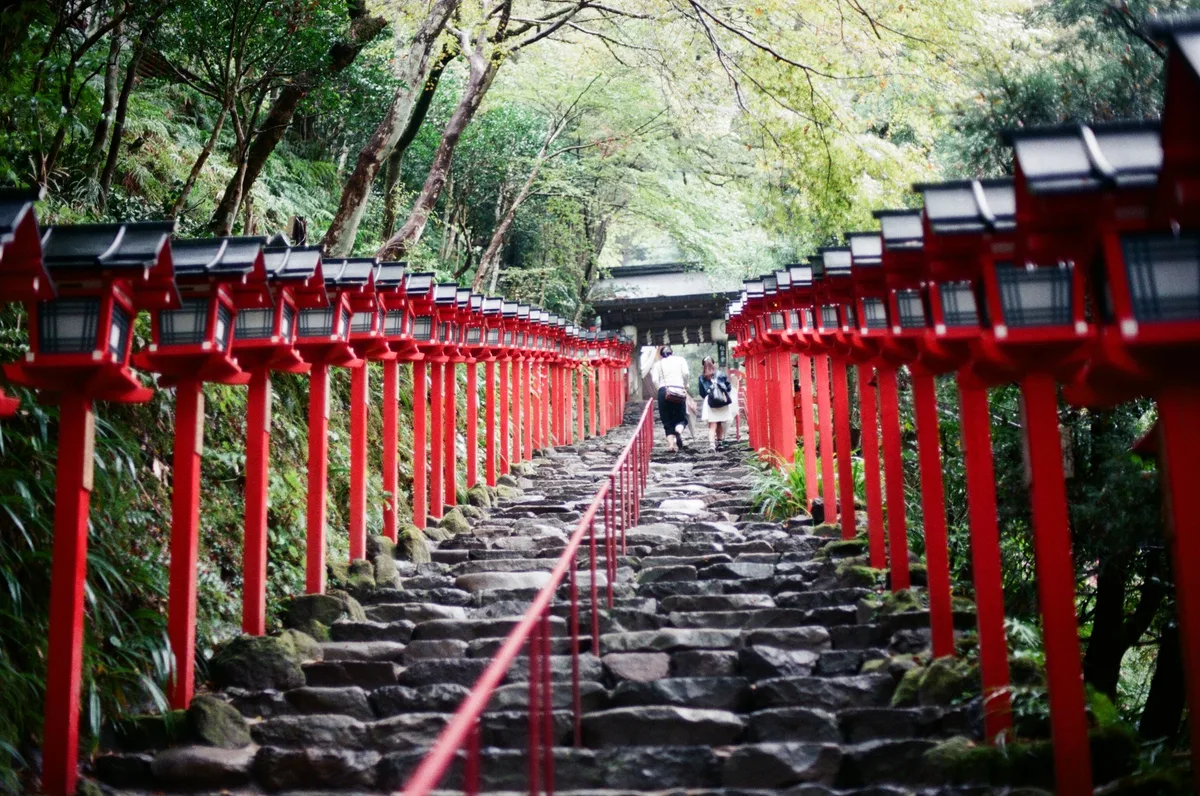
Fresh green maples (May-June) and autumn leaves (November) are especially beautiful. Summer is cooler than central Kyoto and is the river-terrace season. Early morning is quiet for walking all three shrines. In winter, snow and ice can make the steps slippery.
Basic Visiting Manners
- Bow before passing through the torii
- Walk along the edge of the approach, not the center
- Purify at the water basin: left hand, right hand, mouth, left hand
- Bow twice, clap twice, bow once
- Take turns when drawing sacred water
- Stay quiet near the dragon hole and the halls
If you are unsure about the basics, see our Complete Guide to Shrine Etiquette.
Frequently Asked Questions (FAQ)
Q1. In what order should I visit the three shrines?
A. Generally Hongu → Okumiya → Yui-no-Yashiro. The shrines are spread along the river, so wear comfortable shoes.
Q2. How much is the water fortune slip?
A. About 200 yen. Prices can change, so please check on site or on the official site.
Q3. What time can I visit?
A. From 6:00. Closing time varies by season: around 18:00 in winter and 20:00 in the regular season.
Q4. Can I visit Kifune and Kurama together?
A. A ridge trail connects the Okunoin of Kurama-dera with Kifune Shrine, and it is a popular hike. Wear suitable clothing and allow plenty of time.
Q5. Can I go on a rainy day?
A. Yes, but steps and mountain paths are slippery. Kifune in the rain has deep greens and a quiet charm.
Sun-chan's Postscript
Just a short way up from the city, the air at Kifune turns pleasantly cool. Walking the lantern-lined approach beside the river, from Hongu to Okumiya to Yui-no-Yashiro, I felt my mind settle quietly. I will add photos of the highlights as soon as they are ready.
Related Articles You Might Enjoy
- Kurama-dera Temple Guide: a mountain sanctuary you can hike to from Kifune
- Complete Guide to Shrine Etiquette: manners and tips by wish
- Aquamarine Meaning and Effects: a stone tied to water deities
- 5 Kyoto Night Visits and Light-ups: enjoy Kyoto quietly at night
Summary
- Kifune Shrine is an old shrine of a water deity beside the Kibune River, source of the Kamo River
- The main deity is Takaokami; Yui-no-Yashiro enshrines the matchmaking deity Iwanagahime
- The basic route is Hongu → Okumiya → Yui-no-Yashiro
- Highlights are the water fortune slip and the dragon hole and boat-shaped stone
- Reach it from Kibuneguchi Station by Kyoto Bus or on foot
Tags
この記事をシェアする
この記事が役に立ったら、SNSでシェアしていただけるととても嬉しいです☀️

Thanks so much for reading! I hope this article brought a little sunshine to your day! See you again soon!
Plan Your VisitAd
This section contains affiliate links. See our disclosure.
You might also like
Omiwa Shrine Worship Guide
This comprehensive guide covers the history, divine blessings, Mount Miwa faith, key worship points, Sai Shrine, the Medicinal Well, sacred mountain ascent (Tohhai), recommended crystals, and surrounding attractions of Omiwa Shrine (1422 Miwa, Sakurai City, Nara Prefecture). It's an essential resource for visiting a sacred site that continues to preserve one of Japan's oldest forms of primitive worship.

Kansai Power Spot Shrines Guide
Discover the best power spot shrines in Kansai and Kinki regions. This guide compares seven prominent shrines: Ise Grand Shrine (Mie), Kasuga Taisha, Omiwa Shrine, Tamaki Shrine (Nara), Kurama-dera (Kyoto), Kumano Hongu Taisha (Wakayama), and Enryaku-ji on Mount Hiei (Shiga), detailing their enshrined deities, benefits, highlights, and access.
Itsukushima Shrine Pilgrimage Guide
A comprehensive guide to Itsukushima Shrine (Miyajima-cho, Hatsukaichi City, Hiroshima Prefecture), covering its history, blessings, key pilgrimage points according to tidal changes, the Great Torii Gate, Mount Misen, recommended crystals, and nearby attractions. This is your essential guide to visiting the World Heritage shrine built by Taira no Kiyomori.
Kurama-dera Temple Visiting Guide
A comprehensive guide to Kurama-dera Temple (Sakyo-ku, Kyoto Prefecture), covering its history, Sonten (Senju Kannon, Bishamonten, and Goho Maoson) faith, the Kongo-sho in front of the main hall, the Tree Root Path, Okunoin Maoden, the legend of Ushiwakamaru (Minamoto no Yoshitsune), the traverse route to Kifune Shrine, key visiting points, access, recommended crystals, and FAQs.