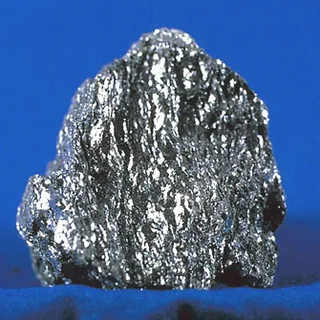

Hematite: Meaning, Properties, and Effects
A comprehensive guide to Hematite, covering its meaning, properties ('Victory, Vitality, and Grounding'), effects, who it's recommended for, compatible stones, and purification methods. Discover the essentials and practical insights into this 'Stone of Victory and Vitality,' an ancient warrior's shield, all on this single page.
Table of Contents (Tap to toggle)
Introduction
The English name for Hematite, Hematite, is said to originate from the Greek word "haima (blood)." While its mirror-like polished surface appears deep silvery-black, when powdered, it turns a vibrant reddish-brown. This led ancient Greeks and Romans to call it the "blood stone" and carry it as a talisman to stop bleeding and secure victory in battle.
In ancient Egypt, it was used as a ritual tool by priests as a "rest the head" stone, and many hematite statues have been unearthed from tombs. During the European Middle Ages, it is said that knights sewed it inside their armor as a "talisman to prevent bleeding on the battlefield." Even today, it's a primary choice for themes of "victory, vitality, and grounding."
Basic Information
| Item | Content |
|---|---|
| Stone Name | Hematite (Japanese: 赤鉄鉱, Sekitekko - Red Iron Ore) |
| Mineral Species | Iron Oxide |
| Main Production Areas | Brazil, United Kingdom, United States |
| Mohs Hardness | 5-6 |
| Color | Black to Silvery-Gray (powder is reddish-brown) |
| Corresponding Chakra | First (Root) |
Stone Properties and Meaning
Hematite is associated with the properties of "Victory, Vitality, and Grounding." It has long been cherished worldwide as the "Stone of Victory and Vitality," an ancient warrior's shield.
Roman soldiers are said to have powdered hematite and applied it to their bodies, casting a "spell to prevent bleeding." In medieval Italy, Physician Galen reportedly prescribed hematite as a "medicinal stone for stopping bleeding." Native Americans in North America are also said to have used the red pigment from hematite for their chiefs' ceremonial face paint.
As its Japanese name "赤鉄鉱" (sekitekko, meaning "red iron ore") suggests, its composition is literally iron oxide (Fe₂O₃) itself. Due to its weighty, metallic feel, reminiscent of the Earth's core, it's positioned in the modern spiritual market as a "primary stone for balancing the First (Root) Chakra."
Recommended for those who:
- Are facing an important competition, game, or interview
- Are experiencing persistent fatigue
- Feel ungrounded or light-headed
- Are seeking strong protection
Reported Effects
Note: The "effects" of crystals are cultural and symbolic in nature. They are not medically or scientifically guaranteed.
- Luck in Competition and Success: Due to its history as a talisman for ancient Roman soldiers and a stone for stopping bleeding, it has been described as a stone symbolizing victory.
- Revitalization and Physical Recovery: Its weighty, iron-like texture is believed to replenish a lack of energy.
- Strong Grounding: As a stone corresponding to the First Chakra, it is said to help restore a "sense of being firmly rooted."
- Warding Off Negative Energy: Its mirror-like, light-reflecting property is also said to repel ill will, making it a protective stone.
Examples of Use
- Wear it as a bracelet: As a charm for important situations (exams, business negotiations, interviews), wear it on the wrist opposite your dominant hand.
- Wear it as a pendant near your chest: It can reach around the Fourth Chakra, making it suitable for balancing mind and body stability.
- Place it in a shoe rack or entryway: There's a traditional use of placing it by the entrance as a "guardian of the home" and a "shield when going out."
- Hold it in your palm on a tiring day: Its substantial weight is said to help bring back a sense of grounding.
Characteristics by Origin
Hematite varies in texture and hardness depending on its origin.
- Brazilian: Most commonly circulated. Features a consistent silvery-black mirror finish.
- Cumbrian, UK: Famous for its spherical crystals known as "Kidney Ore" (or botryoidal hematite).
- Minnesotan, USA: From the Mesabi Range. Known for strong luster, favored for accessories.
- Moroccan: Pyrite-associated specimens are occasionally found.
- Magnetite-mixed specimens: These types have magnetic properties. Be cautious, as "Magnetic Hematite" is often synthetically produced.
For tips on choosing and understanding color variations, please refer to our Complete Guide to Choosing Crystals.
Compatible Combinations
| Combination | Expected Meaning |
|---|---|
| Hematite x Clear Quartz | Amplifies victory energy |
| Hematite x Onyx | Stronger grounding |
| Hematite x Garnet | Balancing passion and victory |
| Hematite x Tiger's Eye | The ultimate combo for luck in competition and financial fortune |
| Hematite x Morion | Impenetrable dark protection |
For ideas on combinations, please also refer to our Complete Guide to Crystal Combinations.
Purification Methods
Recommended methods:
- Clear quartz tumbled stones
- White sage
- Moonlight bathing
Methods to avoid:
- Water (risk of rusting)
- Salt (may cause discoloration or rust)
- Prolonged direct sunlight
For detailed steps, please refer to our Complete Guide to Crystal Purification Methods.
Price Range
Here are the approximate market prices for Hematite (as of 2026, for A to AA grade items).
| Form | Market Price |
|---|---|
| Bracelet (approx. 8mm beads) | ¥1,500〜¥3,500 |
| Tumbled stones and chips (50g) | ¥500〜¥1,500 |
Affordable and easy to handle. Items with beautiful mirror finishes are considered high quality.
Prices vary significantly depending on origin, grade, and size. It's recommended to compare across several stores, looking for items with certification, transparency, and color intensity, before making a choice.
How to Spot Fakes and Artificial Stones
- Hematite that sticks to a magnet is almost certainly artificial. Natural hematite has very little magnetic property. Be cautious, as "Magnetic Hematite" is often a synthetically produced ferrite magnet.
- If the surface is perfectly smooth and it feels light, it might be a copy made of glass or resin.
- While turning reddish-brown (blood-red color) when powdered is a sign of true hematite, testing beads would be a destructive examination. Therefore, it's more practical to buy from a reputable store.
- Purchasing with a certificate of authenticity from a trusted specialty store offers peace of mind. Please also refer to our Guide to Spotting Fake and Artificial Stones.
Frequently Asked Questions (FAQ)
Q. Does Hematite stick to a magnet? A. Natural hematite has very little magnetic property. Commercially available items that strongly stick to a magnet are usually "maghemite" or synthetic products.
Q. What bead size is recommended for a bracelet? A. For enjoying the luster of its mirror finish, 6-10mm is a classic choice. Since it's a weighty stone, your wrist might get tired if the beads are too large.
Q. Is it suitable for both men and women? A. Yes, absolutely! Its sharp silvery-black color makes it popular with both men and women. Men often favor combinations with Onyx, while women often prefer combinations with Garnet.
Q. Can it rust? A. Since it's iron oxide, if exposed to moisture or sweat continuously, rust may appear on its surface. We recommend wiping it with a dry cloth after sweating.
Summary
- Hematite is a crystal symbolizing "victory, vitality, and grounding."
- Its origin is the Greek word for "blood," and it has a history of being cherished by ancient Roman soldiers and medieval knights as a "talisman to prevent bleeding."
- It is pure iron oxide and is considered a primary stone for balancing the First (Root) Chakra.
- For purification, clear quartz tumbled stones and white sage are recommended, while water, salt, and direct sunlight should be avoided.
Every time you wear it, it reminds you of "victory" – Hematite is a stone you can have such a relationship with.
Editor's Note
A reader once told me, "The feeling of wearing a charm on a day of competition can't be explained by science, but it certainly makes me stand taller." The substantial physical weight of Hematite acts like a switch, enhancing one's presence and resolve for the day. It's Sun-chan here, hoping this guide helps you feel more empowered!
Related Articles You Might Like
Tags
この記事をシェアする
この記事が役に立ったら、SNSでシェアしていただけるととても嬉しいです☀️

Thanks so much for reading! I hope this article brought a little sunshine to your day! See you again soon!
You might also like
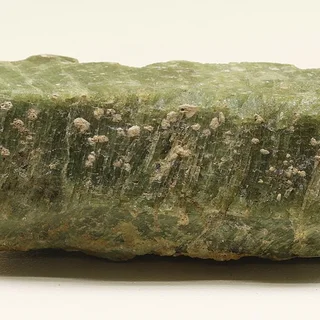

Apatite: Meaning, Stone Lore, and Effects
A comprehensive guide to Apatite: Its meaning, stone lore ('Communication, Academics, Goal Achievement'), effects, who it's recommended for, compatible stones, and purification methods. Discover the basics and practical uses of this 'Blue Guiding Stone' that helps you achieve your goals, all on one page.

How to Properly Wear Crystals
It's believed that the meaning of crystals changes depending on whether you wear them on your left or right hand. This beginner's guide provides a complete explanation of how to properly wear bracelets, pendants, rings, and earrings, how to align them with chakras, where to place them in your home, and even when not to wear them.
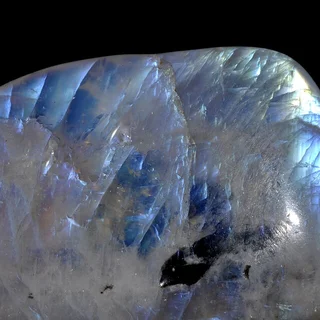

Moonstone Meaning, Stone Properties, and Effects
A comprehensive guide to moonstone's properties, history, lore surrounding femininity, intuition, and new moons, ideal pairings, mineral data, and FAQs. This is your go-to resource for incorporating this milky white stone, revered as the embodiment of the moon from ancient India to Rome, into your life.
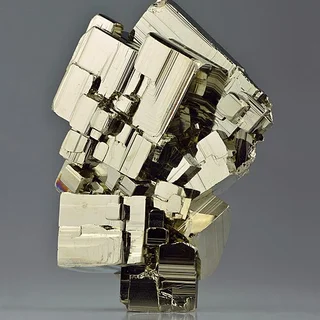
Pyrite (Iron Pyrite): Meaning, Stone Language, and Effects
A comprehensive guide to Pyrite (Iron Pyrite), covering its meaning, 'stone language' (financial luck, willpower, and warding off evil), effects, who it's recommended for, compatible stones, and purification methods. Discover the essentials and practical applications of this symbol of prosperity, famously known as 'Fool's Gold,' all in one place.