
Shrines with Jewelry-Style Charms: Rings, Necklaces and Bracelets (10 Picks)
Ten Japanese shrines that offer wearable omamori as rings, necklaces and bracelets, including Samuhara Shrine, Shimogamo Shrine, Izumo Taisha and Enoshima Shrine. Tips on application-only charms, selling out, and how to wear them.
Table of Contents (Tap to toggle)
Hello, this is Sun-chan from Lucky Sun Shine ☀️
Not just carrying an omamori, but wearing it as a ring, necklace or bracelet. Some shrines now offer charms shaped like accessories. This guide sorts ten of them by type.
One thing to know first: popular ones can be application-only or sell out. Procedures and offering amounts change, so please check each shrine's official information before you go.
Ring charms
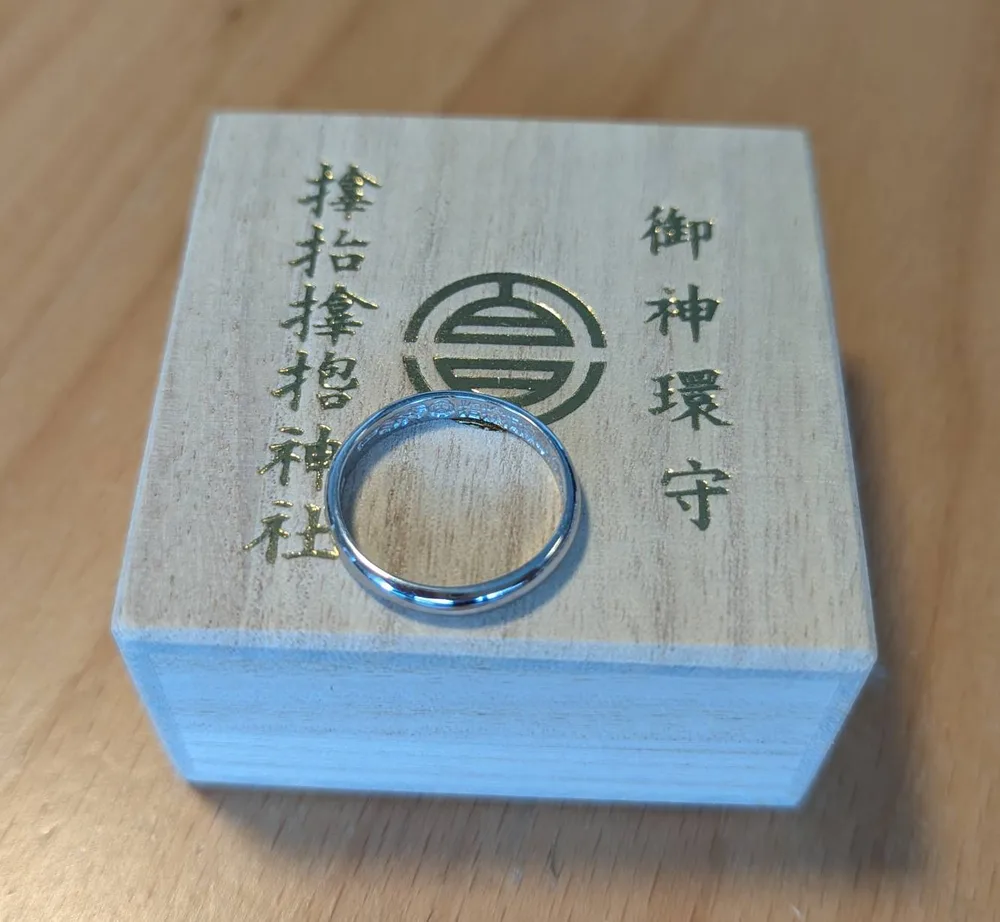
1. Samuhara Shrine (Osaka) - Gojinkanmamori
- A charm ring inscribed with the Samuhara characters, from a shrine of a deity of protection.
- By application only, with an offering of 10,000 yen or more. Open to people with an address in Japan, one per person. The status changes, so check the official website.
- A pendant type made of the same material is said to be available for people who find rings difficult to wear, for example because of a metal allergy.
- Official site / Full visit guide
2. Shimogamo Shrine (Kyoto) - Ai no Wa Mamori
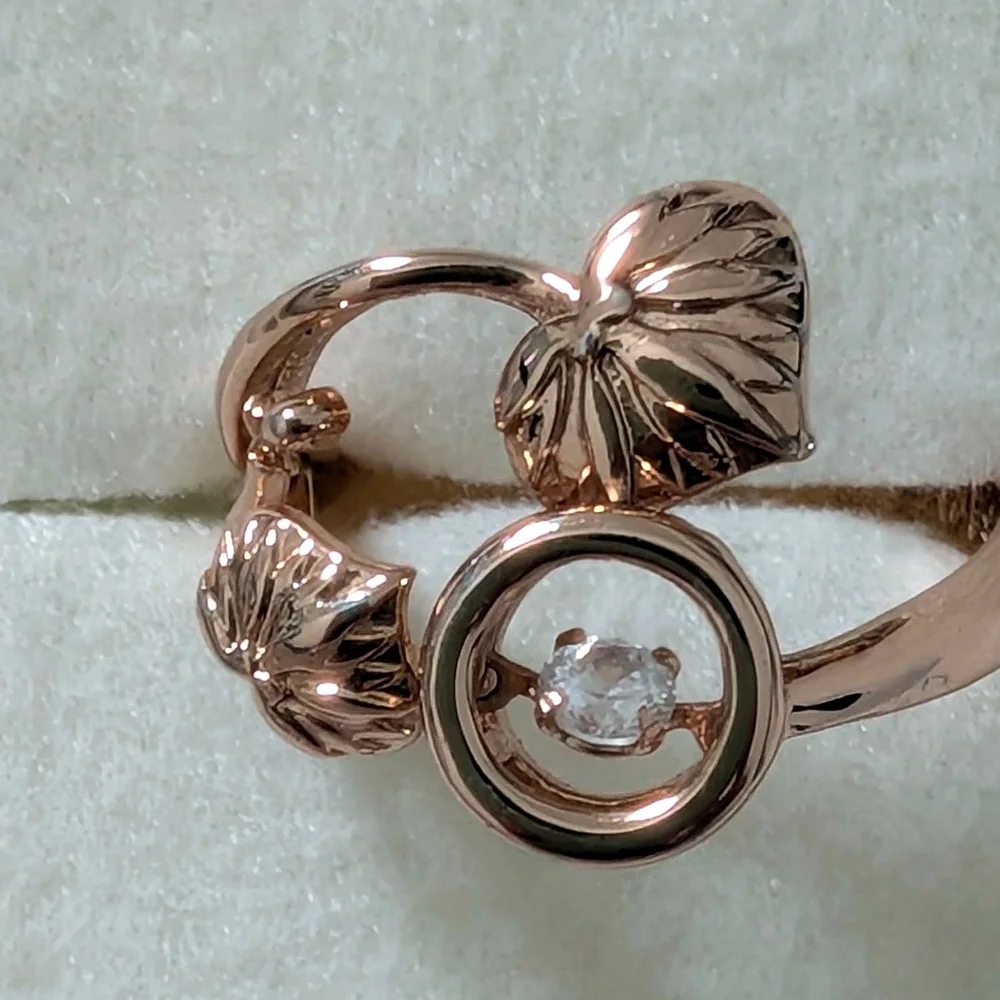
- A ring charm modeled on the shrine's double-hollyhock crest. It is said to be offered at the office next to the matchmaking shrine Aioi-sha, and is introduced as 3,000 yen.
- Because it is popular, it can sell out or be paused.
- Official site / Full visit guide
3. Enoshima Shrine (Kanagawa) - Yubiwa Mamori
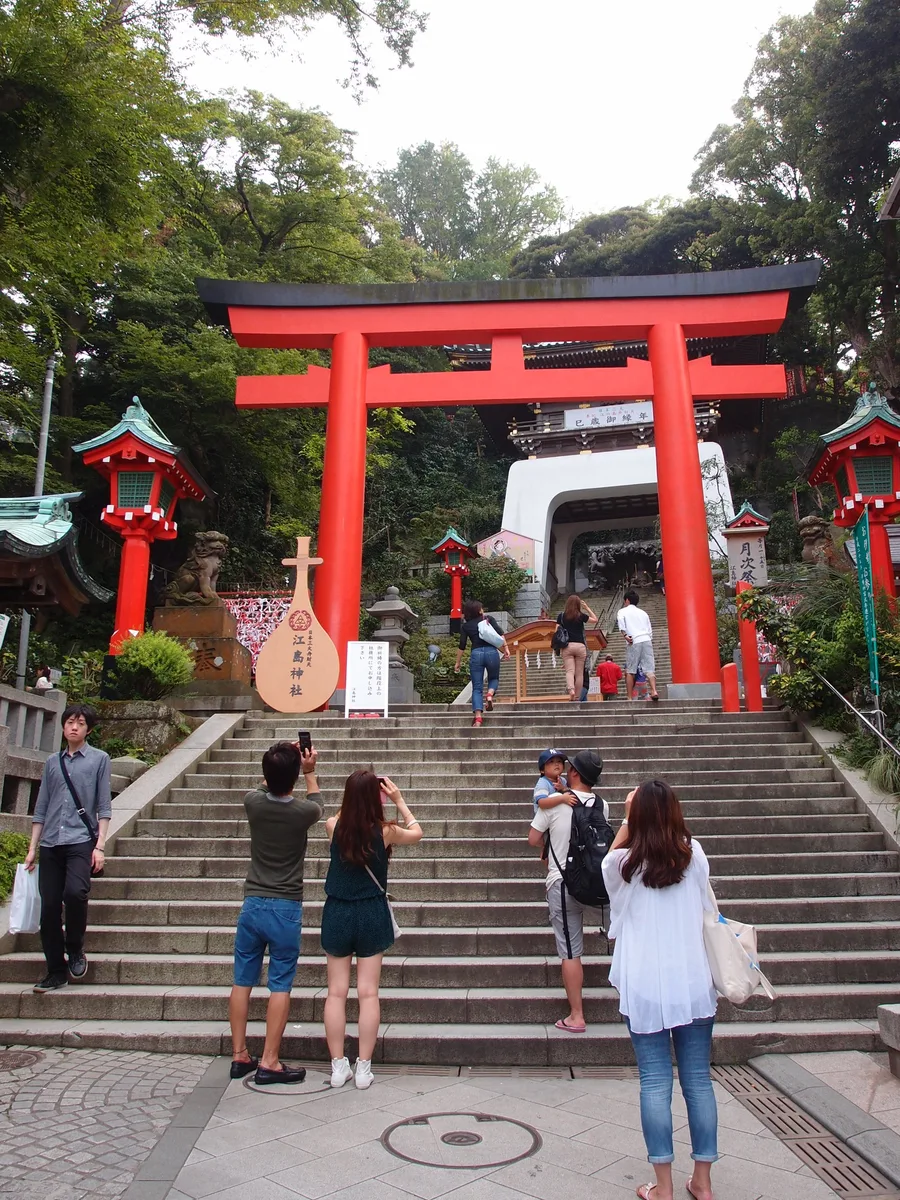
- A ring based on the snake, the deity's messenger, with the shrine name engraved on the back according to introductions. Introduced as 700 yen.
- Official site
4. Nonomiya Shrine (Kyoto, Sagano) - Enmusubi ring charm
- Introduced as pink and blue rings tied with a red thread, a matchmaking charm. Introduced as 1,000 yen.
- Reference page (Rurubu&more)
Necklace and pendant charms
5. Izumo Taisha (Shimane) - Koen Necklace
- A necklace featuring the shrine crest, from the shrine famous for matchmaking. The official charm list also includes other matchmaking items such as straps.
- Official site
6. Fushimi Inari Taisha (Kyoto) - Tassei no Kagi-mamori
- A necklace charm shaped like the storehouse key held by a fox.
- Official site
7. Seimei Shrine (Kyoto) - Mizukagami-mamori
- Introduced as a pendant charm featuring the pentagram (Seimei kikyo).
- Official site
8. Tenkawa Shrine (Nara) - Isuzu-mamori
- Introduced as a brass necklace or choker with an isuzu of three spheres.
- Reference page (Rurubu&more)
Bracelet charms
9. Omiwa Shrine (Nara) - Magatama wristband charms
- Wristband charms shaped like magatama beads linked to Mount Miwa, in two types. They are offered at the shrine and said to be available by post. Buying to resell is prohibited.
- Official site / Visit guide
10. Asagaya Shinmeigu (Tokyo) - Kan-musubi
- A lace bracelet charm introduced as 1,200 yen. Seasonal designs appear from time to time and attract attention.
- Reference page (GLTJP)
Tips for wearing them
- Avoid resale items. They miss the point of a charm offered by a shrine.
- Be ready for application systems and sell-outs. Mail orders and reservations differ by shrine.
- Take it off sometimes. Removing it for bathing, water chores and hard exercise is recommended.
- Mind metal allergies. If in doubt, consider another form such as a pendant.
- Return it with thanks after about a year. For omamori in general, see our omamori guide.
- Looking for a matchmaking shrine? See our matchmaking shrine guide.
Summary
- Jewelry-style charms come as rings, necklaces and bracelets.
- Samuhara Shrine's ring is by application, with an offering of 10,000 yen or more.
- Popular items can sell out or be paused, so check official information.
- Offering amounts and procedures can change.
This guide is based on official sites and introductory articles. Please check each shrine's official information for the latest details.
Sources: Samuhara Shrine ring page, Izumo Taisha charm list (PDF), Irohanihonpo, Jinja DEGO (Omiwa), Chuosen ga suki da (Asagaya Shinmeigu)
May your days shine as bright as the sun ☀️
Tags
この記事をシェアする
この記事が役に立ったら、SNSでシェアしていただけるととても嬉しいです☀️

Thanks so much for reading! I hope this article brought a little sunshine to your day! See you again soon!
You might also like

A Complete Guide to Omamori
A comprehensive guide to Omamori (Japanese amulets and charms), covering their types and how to choose them. This practical guide details Omamori for various blessings (good fortune, warding off evil, matchmaking, wealth, academic success, health, and traffic safety), popular shrine-specific Omamori, rules for carrying multiple charms, typical offering fees, proper handling, the one-year return ritual, and common FAQs.
The Ultimate Guide to Lucky Charms
A comprehensive guide covering the types and selection of good luck charms. It explains the features of wallets, omamori, engimono, maneki-neko, daruma dolls, Shichifukujin (Seven Lucky Gods), and kumade (rake talismans), how to choose them based on your purpose, their display and usage, disposal rituals, the editorial team's recommended order, and answers to frequently asked questions. This is a must-have resource for incorporating good fortune into your daily life.

Shimogamo Shrine's Ring Charm "Ai no Wa Mamori": Where to Get It, Price and Matchmaking Visit Guide
A friendly guide to the ring-shaped charm "Ai no Wa Mamori" at Shimogamo Shrine in Kyoto: where it is offered (next to Aioi-sha), the 3,000 yen price, the double-hollyhock design, what to do when it is sold out, the matchmaking visit routine and access.
【Instant Good Luck Boost ☀️】You Don't 'Buy' an Omamori? The Sacred Presence in Your Palm and Secret Rules to Bring Peace to Your Heart ✨
Why an omamori is traditionally 'received' rather than 'bought,' and the basic etiquette for treating it with care.