Giving a Crystal as a Gift to Someone
This comprehensive guide covers how to choose and give crystals as gifts for various occasions: birthdays, romantic partners, new beginnings, baby showers, retirement, and Christmas. It provides tips on prioritizing the recipient's preferences, gift-giving etiquette, how the recipient can enjoy their stone, budget guidelines, what to do if the stone doesn't quite fit, and a FAQ, all presented in a neutral tone.
Table of Contents (Tap to toggle)
Introduction
Giving a crystal to someone is more than just handing over an object. It's an act of gently entrusting a stone with unspoken feelings like “Stay well,” “Congratulations,” and “Thank you.”
This article is a comprehensive guide on how to approach giving a stone to someone, focusing on six key scenarios: birthdays, romantic partners, new beginnings, baby showers, retirement, and Christmas. We've gathered everything into one page, including how to choose, gift-giving etiquette, how the recipient can enjoy their stone, budget guidelines, what to do if the stone doesn't quite fit, and a FAQ, all presented in a way that avoids being overly prescriptive.
Note: The “effects” of crystals are cultural and symbolic. They are not medically or scientifically guaranteed, and individual experiences may vary. This article does not guarantee the fulfillment of specific wishes, nor does it endorse or recommend specific shops or products. Please read it with the understanding that it focuses on enjoying them as charms or gifts.
Table of Contents
- The Meaning of Giving Stones
- Three Prerequisites to Know Before Giving a Gift
- Recommended Approaches for Each Occasion
- Gift-Giving Etiquette
- How the Recipient Can Enjoy Their Stone
- Budget Guidelines
- When a Gift Stone Doesn't Quite Fit
- Frequently Asked Questions (FAQ)
- Related Comprehensive Guides
The Meaning of Giving Stones
Unlike bouquets of flowers or sweets, a stone is a gift that stays with someone for a long time. That's why it's important to choose one with the awareness that it will continue to be a part of the recipient's life.
When we give a stone, it often embodies three overlapping feelings:
- To express feelings in a tangible form: To preserve emotions that might fade away if only spoken, in a form that can be held.
- To convey unspoken thoughts: To let the stone speak for the shy words we find hard to say, like “Stay healthy” or “Don't push yourself too hard.”
- To gently accompany the recipient in their daily life: For the stone to watch over them in your stead, even when you can't be there yourself.
As I've written many times on this site, stones are tools, and the person using them is the main character. The same applies to stones given as gifts: the act of giving is not the end goal; rather, the stone grows with the recipient in their daily life. Therefore, instead of searching for the “absolute best stone that everyone will love,” choosing with the perspective of “Which stone will fit naturally into this person's daily routine?” will lead to it being cherished longer.
Three Prerequisites to Know Before Giving a Gift
Before you choose, there are just three things I'd like you to keep in mind.
1. Prioritize the Recipient's Preferences Above All Else
No matter how much a stone is said to bring good luck, if it's a color, shape, or size that the recipient wouldn't normally wear, it will likely end up in the back of a drawer. The first step is to recall their usual attire, the style of accessories they already own, and their favorite colors before making a selection.
2. Present It in a Non-Imposing Way
A single phrase like “This will boost your love luck” can turn a thoughtful gift into something burdensome. This is especially true if the recipient isn't familiar with spiritual items. Presenting it with a light touch, like “As a charm” or “I thought the color was beautiful,” shows more respect for their freedom.
3. Consider Allergies, Choking Hazards, and Materials
For individuals with metal allergies, pay attention to the material of wires and clasps. When giving gifts to households with small children, be mindful of the choking risk from tiny chips or small beads. If it's a bracelet, make sure it's clear it's intended for adults. Also, be cautious with scented items (like incense) for pregnant individuals, as their sensitivities might be heightened.
Recommended Approaches for Each Occasion
From here, I'll introduce a “way of thinking” for choosing stones for six different scenarios. Please read this not as a definitive declaration of one specific stone, but as a starting point, understanding that “choosing in this direction is less likely to go wrong.”
1. Birthdays: Birthstones as a Universal Choice
The classic choice when you're unsure is a birthstone. There are stones traditionally associated with each month, such as “Garnet for January, Aquamarine for March…” Their clear origins make it easy to explain the reason for your gift.
→ You can check the representative stones and their meanings for each month in the 12-Month Birthstone Guide.
2. Romantic Partners: Stones to Convey Your Feelings
For a long-term partner or someone with whom you wish to deepen your relationship, stones associated with romance, love, and connection have traditionally been chosen. Rose Quartz and Moonstone are prime examples.
However, remember to choose based on color and design rather than solely on “effects.” Soft pinks and milky whites are easy to incorporate into daily wear and are generally well-received by all genders.
→ Summary of Crystals for Love Luck and Encounters
3. New Beginnings, Job Hunting, Enrollment: Stones to Gently Encourage
For times of change such as advancing to higher education, finding a job, changing careers, or moving, stones related to concentration, action, and human relationships are suitable. Refreshing colors like Aquamarine and calming tones like Black Tourmaline are choices that work well for all genders and are unlikely to stand out negatively in a workplace setting.
→ Summary of Crystals for Work and Career → Summary of Crystals for Interpersonal Relationships and Communication
4. Baby Shower or Friend Raising Children: Focus on Healing and Purification
The post-partum and child-rearing periods are delicate times both physically and mentally. Since the individual might find it difficult to wear accessories, small chips, raw stones, or tumbled stones that can be placed in a room might be less burdensome than a bracelet to wear. Gentle hues like Rose Quartz and Moonstone are often preferred.
Important Considerations:
- Avoid language that suggests medical efficacy, such as “effective for XX” or “improves YY.” As the giver, it's important to prevent any medicinal misunderstanding.
- Due to the choking hazard for babies, choose small beads or chips with the premise that they can be placed out of reach.
- Scented items (incense, aromatherapy) might be best avoided, considering the mother's post-partum physical condition.
5. Retirement and Expressing Gratitude: Envisioning a Long-Term Companion
For expressing gratitude at milestones like retirement, transfers, or to someone who has supported you, stones traditionally associated with serenity, health, and longevity have been chosen. Calm green tones like Jade and Prehnite are colors that blend in well regardless of age.
For those not familiar with spiritual items, forms such as ornaments, paperweights, or tumbled stones that don't explicitly label themselves as “charms” can be more readily accepted.
6. Christmas: Matching the Seasonal Colors and Mood
Christmas is a season where stones inspired by deep reds, clear whites, and the sparkle of winter stars truly shine. Choosing stones that evoke the seasonal scenery, such as the red of Garnet, the clear white of Moonstone or Clear Quartz, or the iridescence of Labradorite, can be a delightful way to select a gift.
→ Recommended Crystals for Christmas
Gift-Giving Etiquette
“How you present” the chosen stone can significantly change the recipient's impression.
How to Wrap
- Placing it in a small paulownia wood box or a cloth pouch (drawstring bag) conveys a sense of “specialness” the moment it's opened.
- Simple packaging enhances the stone's presence more than flashy ribbons.
- Presenting it in a clear small bag can give it a charm-like quality.
How to Include a Message
Instead of a message that asserts “effects,” writing your own feelings will likely be re-read longer.
Examples:
- “I thought the color was beautiful, and it reminded me of you.”
- “As a charm for you, as you embark on new endeavors.”
- “Thank you. Please continue to stay well.”
Avoid definitive statements like “Wearing this will make you happy.” By making your feelings as the giver the subject, you allow the recipient more freedom.
Whether to Purify Before Giving
There is no single right answer to this.
- Those who purify before giving: Driven by the desire to present the stone in a pristine state.
- Those who give it as is: Because the recipient can enjoy the process of “purifying it with their own hands.”
Either approach is fine. If you're concerned, you can add a note on the message card saying, “Feel free to purify it at your preferred timing,” which leaves the choice up to the recipient.
→ If they are unsure about purification methods, you can also introduce them to the Complete Purification Guide.
How the Recipient Can Enjoy Their Stone
It's possible that this guide is being read by the “recipient.” For them, just a quick word.
Once you've received a stone, it's perfectly fine to simply keep it by your side and observe it for a few days. You don't need to immediately research how to wear it or its meanings.
Once you feel a bit more accustomed,
- Take a look at the overall picture with the First Crystal Selection Guide
- Learn how to enjoy a long relationship with it through the Complete Guide to Purification and Care
- Read individual articles on this site about colors or stone names that catch your eye (e.g., Rose Quartz / Clear Quartz / Moonstone)
You can deepen your understanding at your own pace, following this order.
Budget Guidelines
While prices vary greatly depending on the type of stone, bead size, origin, and whether it has been treated, here's a neutral summary of general budget guidelines for gifts:
| Price Range | Common Choices |
|---|---|
| Up to 3,000 JPY | Chips, small tumbled stones, one raw stone, thin bracelets |
| 3,000 to 8,000 JPY | Standard bracelets, pendants, slightly larger tumbled stones |
| 8,000 to 20,000 JPY | Bracelets or pendants with emphasis on bead quality, small raw stone clusters |
| 20,000 JPY and up | High-quality bracelets, larger raw stones, combined gift sets |
It's not true that more expensive stones are necessarily more effective. The price reflects the mineral's rarity and the effort involved in processing, which is a different axis from its value as a charm. Please choose something that matches the recipient's preferences within your budget.
This article does not recommend specific shops, sellers, or brands. Please purchase from a location you find convenient, such as a local brick-and-mortar store, a trusted online retailer, or a department store fair.
When a Gift Stone Doesn't Quite Fit
Sometimes, a gifted stone might simply not fit your personal style or daily life. This is separate from the giver's kind intentions, and it's certainly not a bad thing.
You have a few options:
- Display it in your room: Even if you don't wear it, simply placing it on a shelf or desk can serve as a reminder of the person who gave it to you.
- Let it rest: Store it in a box or pouch in a drawer. It's perfectly natural to take it out again when the mood strikes.
- Release it with gratitude: After purification, traditional methods of releasing it with gratitude include burying it in the earth, returning it to a river or the sea (with environmental consideration), or giving it to a trusted person.
There's no rule that says you must continue to use a gifted stone. It's enough to cherish both the giver's feelings and your current lifestyle.
Frequently Asked Questions (FAQ)
Q. I hear that stones have compatibility, so I'm afraid to give one. Will I make a mistake?
A. If you get too caught up in the idea of “compatibility,” you might end up not giving anything at all. By focusing on three things—matching the recipient's preference for color and appearance, choosing a subtle design that feels like a charm, and presenting it lightly as “a charm”—you're highly unlikely to go wrong. The versatile Clear Quartz is one of the safest choices to give to anyone.
Q. I have no idea how to use the stone I received. What should I do?
A. First, it's perfectly fine to simply keep it by your side and observe it for a few days. There's no need to wear it immediately. Once you feel a bit more accustomed, take a look at the First Crystal Selection Guide or the Complete Purification Guide.
Q. If I have the same stone for myself and the recipient, does it become a pair?
A. The enjoyment of “pair stones” has existed for a long time, and sharing stones of the same type, from the same origin, chosen at the same time is a lovely custom. However, it's not possible to definitively say that “pairing them will deepen your bond.” Please enjoy it with the meaning of making your shared feelings tangible.
Q. Can I give a stone to someone who isn't keen on spiritual things?
A. Yes. It's often better received if you present it not explicitly as a “crystal” but as an “natural stone accessory” or “natural stone ornament.” The best etiquette is to choose based on color and design, and avoid discussing any perceived effects.
Q. What kind of packaging or wrapping should I use?
A. Calmer packaging, such as a paulownia wood box, a cloth pouch, or a simple box, enhances the stone's presence more than flashy ribbons. Many retailers offer gift wrapping services, so please inquire when making your purchase.
Q. If a gifted stone breaks, is it a bad omen?
A. There's a traditional positive interpretation that it “broke in your stead,” but we cannot definitively state this. Physically, elastic bands and wires have a lifespan and naturally wear out with prolonged use. Without overthinking it, a gentle approach is to either release it with a sense of gratitude for its service or have it repaired, leaving the decision to the recipient.
Q. Can I send a stone to a friend living overseas?
A. Some countries may have import regulations for natural stones and minerals. Before sending, please check the postal situation and import rules of the recipient's country.
A word from Sun-chan☀️
You know, the time you spend choosing a stone for someone is already a gift in itself! 💛 When you're thinking, “Will this suit them?” or “They'd probably like this color,” that's when you're thinking about them the most. So, the time you spend choosing the stone is the most precious gift of all! 🌼 After you've picked it out, just relax and hand it over. The best way is to gently pass it to them so they can enjoy it at their own pace! ✨
Related Comprehensive Guides
Here's a summary of guides that might be helpful in conjunction with gift selection.
- First Crystal Selection Guide — As a first entry point for both givers and recipients
- 12-Month Birthstone Guide — The classic route for birthday presents
- Crystals for Love Luck and Encounters — Gifts for romantic partners
- Crystals for Work and Career — For new beginnings and job celebrations
- Crystals for Interpersonal Relationships — For expressing gratitude and relationship milestones
- Recommended Crystals for Christmas — For seasonal winter gifts
- Complete Purification Guide — For care before giving and after receiving
- Crystal Care Guide — To spend a long time together
Summary
- Giving a stone is about giving shape to your feelings and gently accompanying the recipient in their daily life.
- The three prerequisites are the recipient's preferences, a non-imposing way of giving, and consideration for allergies and choking hazards.
- Having a “way of thinking” for each occasion reduces hesitation.
- For packaging, messages, and purification, feelings matter more than a single right answer.
- If a gifted stone doesn't quite fit, it's perfectly fine not to force yourself to use it. There's also the option to release it with gratitude.
Both the giver and the recipient should proceed without rushing, without forcing, and at their own pace. The relationship with a stone always begins there.
Tags
この記事をシェアする
この記事が役に立ったら、SNSでシェアしていただけるととても嬉しいです☀️

Thanks so much for reading! I hope this article brought a little sunshine to your day! See you again soon!
You might also like
Complete Guide to Choosing Crystals
A complete guide to finding the one crystal that truly resonates with you, from hundreds of varieties available.
Moonstone Meaning, Stone Properties, and Effects
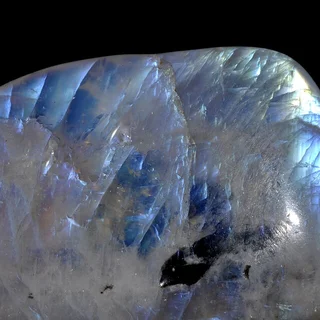
A comprehensive guide to moonstone's properties, history, lore surrounding femininity, intuition, and new moons, ideal pairings, mineral data, and FAQs. This is your go-to resource for incorporating this milky white stone, revered as the embodiment of the moon from ancient India to Rome, into your life.
The Complete Guide to Choosing Crystal Bracelets
Crystal bracelets are the most popular choice for many. This comprehensive guide covers everything from measuring your wrist and selecting the right size to choosing stones based on birthstones, purpose, intuition, or combinations. Learn about bead count and color balance, how to wear and care for your bracelet, what to do if it breaks, price points, where to buy, how to spot fakes, and answers to frequently asked questions, all in one handy page.

Christmas Crystal Gift Guide
A guide to popular crystals for Christmas gifts, organized by recipient (partners, family, and friends).